Six years ago, before artificial intelligence became the hot topic of boardroom conversations, Sng Ren Yeong made a decision that many would have considered risky.
He stepped away from an established role within Temasek's Portfolio Development team to join a small experimental AI unit. There were no guarantees that the technology would become what it is today, nor was there a clear roadmap for what success would look like. But for Ren Yeong, uncertainty had never been something to avoid because it was often where the most meaningful opportunities were found. Looking back, he realises that instinct has guided much of his life.
Growing up in Singapore, he deliberately sought situations that pushed him beyond his comfort zone. He attended a predominantly Chinese-speaking secondary school despite not being particularly proficient in the language. Later, he enrolled in university where he knew almost no one, forcing himself to build new relationships from scratch. His career followed a similar pattern, moving from the military into finance during the Global Financial Crisis, joining a start-up hedge fund instead of a larger institution, before eventually finding his way to Temasek and, later, artificial intelligence.
"I was very lucky to have been encouraged and supported by my loved ones to push myself out of my comfort zone," he reflects. "Very few things bring me more joy than a team overcoming the odds together to create a lasting difference."
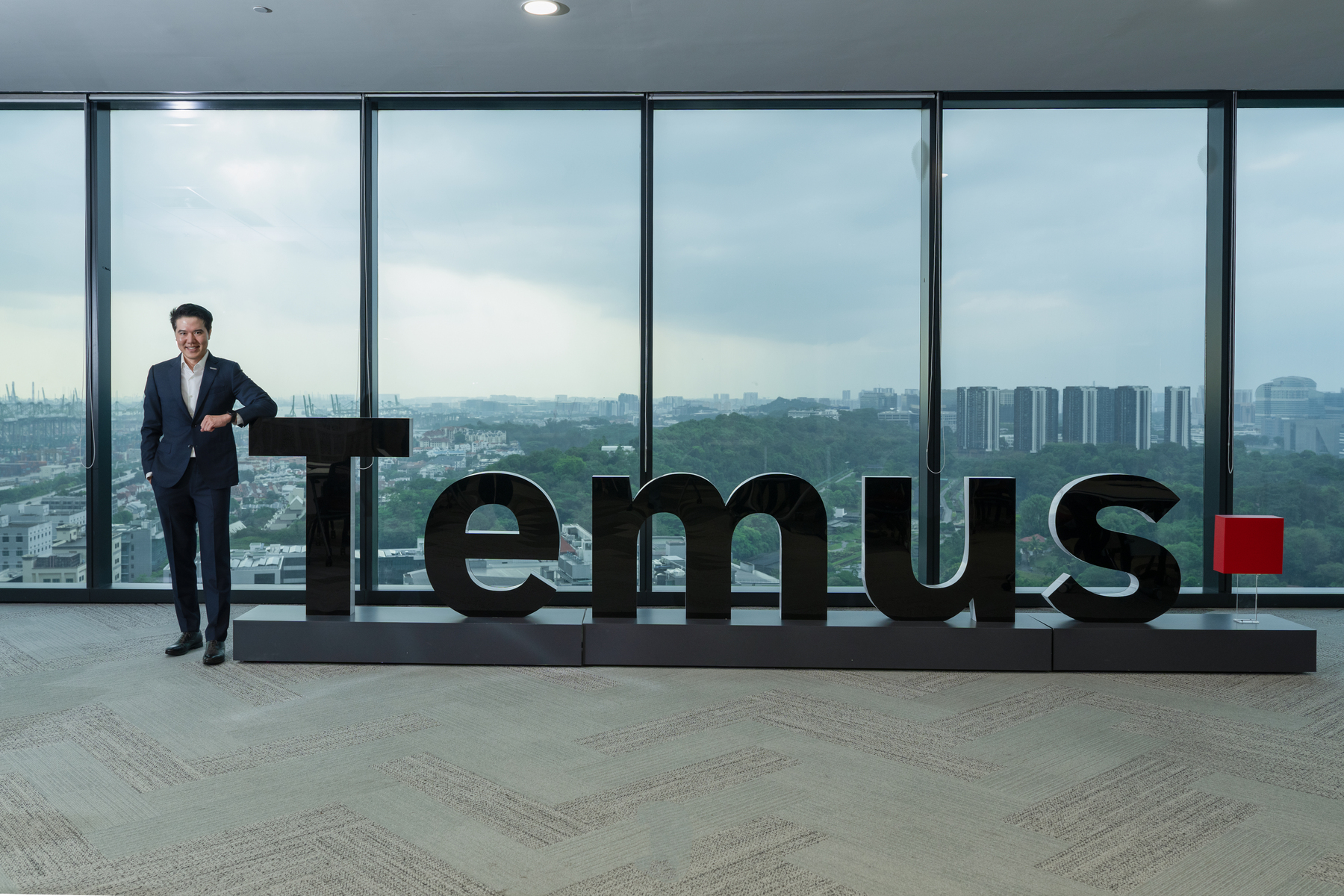 Photo courtesy of Temus
Today, as CEO of Temus, a Temasek-backed digital transformation company, Ren Yeong finds himself leading at a defining moment – not only for the organisation, but for Singapore's ambitions in artificial intelligence. Yet, ask him what excites him most, and his answer isn't about algorithms or technology: It's about people.
Although widely recognised today as one of Singapore's leading voices on enterprise AI, Ren Yeong's academic roots were in economics. He earned his bachelor’s degree from the London School of Economics and his master’s degree from Yale University, where his fascination lay in industrial economics, mathematics, and statistics. Ironically, it was only years later that he realised the matrix multiplication he had once studied formed the mathematical backbone of modern AI. That moment sparked his curiosity. But curiosity soon evolved into something more practical.
While at Temasek, he became increasingly interested in how emerging technologies could solve real business problems. What began as an exploration into fragmented loyalty programmes eventually evolved into minden.ai and the nationwide launch of yuu Rewards Club, which is now one of Singapore's largest coalition loyalty programmes. More importantly, it reinforced his belief that technology alone rarely creates transformation.
"AI has always seemed key to creating value in the future, but it is only when coupled with data and real domain expertise that we can generate outcomes for businesses, society, and a better world."
In 2022, Ren Yeong agreed to simultaneously lead minden.ai while overseeing the nationwide launch of yuu Singapore, which was an ambitious undertaking that had to be completed within six months. It was an aggressive timeline, executed by a relatively small team under significant pressure.
When the platform launched without a single technical glitch, it wasn't the flawless execution that stayed with him, but what made it possible. "I saw the potential of what was possible when a mission-aligned team is determined to beat the odds," he says. "I remain so proud of every individual who was part of the force that created that new possibility."
Despite his growing public profile, Ren Yeong has spent much of his career working behind the scenes, helping organisations transform rather than seeking recognition himself. Even now, stepping into the CEO role at Temus is less about personal visibility than fulfilling the company's mission.
"I still don't believe in building a public profile," he says. "My profile is a result of my actions – a natural outcome of doing well, doing right, and doing good."
(Related: Shannon Tan and EFG International on why great talent needs long-term believers)
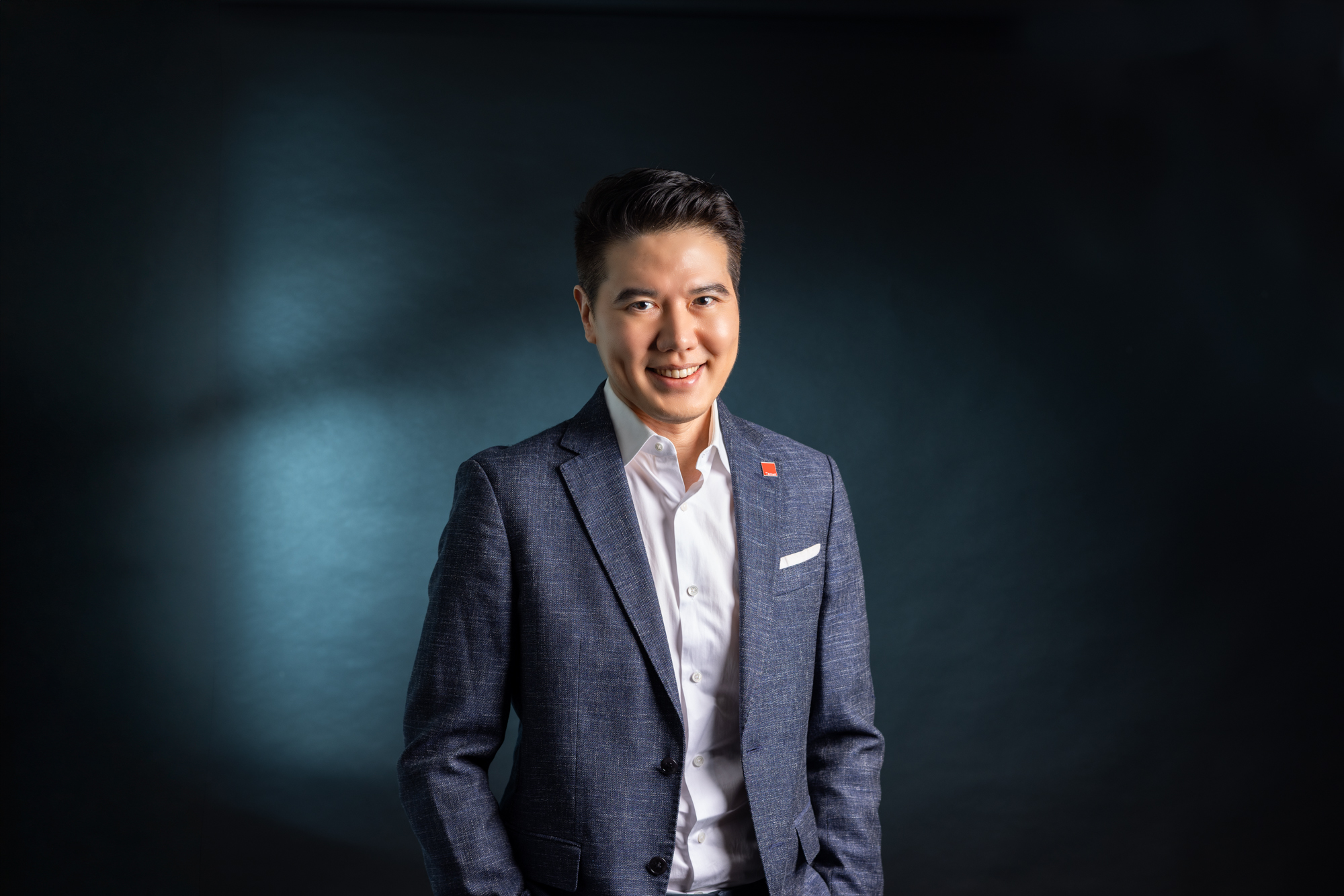
That understated approach also shapes how he thinks about artificial intelligence. While many organisations remain focused on adopting AI tools, Ren Yeong believes they are asking the wrong question. The organisations pulling ahead, he argues, are not simply layering AI onto existing processes. They are redesigning themselves around entirely new ways of working – what he describes as becoming an "adaptive enterprise".
Technology may be the catalyst, but culture determines whether transformation succeeds. "The biggest shift is to stop thinking of AI as something you simply deploy, and start thinking of it as a reason to redesign your organisation," he explains. "The organisations pulling ahead are the ones creating the conditions for people to genuinely upskill and reimagine their workflows."
Contrary to popular perception, failed AI initiatives rarely collapse because of the technology itself. More often, they stall because people aren't aligned. He reveals: "The most common failure pattern I've seen is a smart AI team, strong CEO support, and promising pilots – but other leaders aren't bought in, business units get bypassed, and nothing scales. Change management accounts for at least 75 per cent of the outcome."
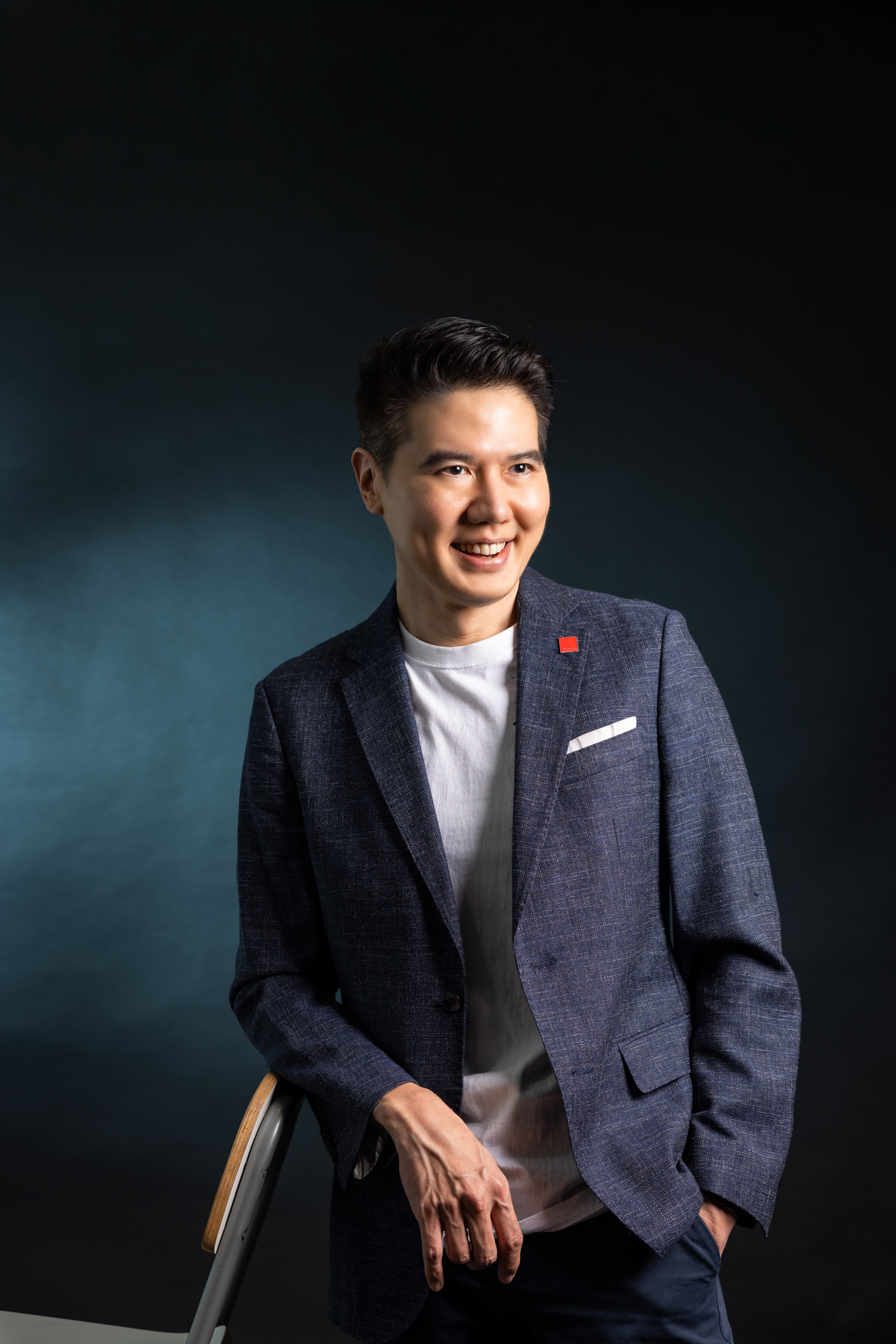
"AI has always seemed key to creating value in the future, but it is only when coupled with data and real domain expertise that we can generate outcomes for businesses, society, and a better world."
Ren Yeong believes Singapore already possesses many of the ingredients needed to lead globally: Strong governance, close collaboration between government, industry, and research, as well as a trusted business environment. The challenge, now, lies in moving beyond experimentation and towards meaningful deployment.
"Trust is the scarcest currency in the AI era," he observes. "That's a position Singapore is well placed to own."
As Temus enters its next phase, his ambitions extend beyond delivering technology solutions. He hopes the company becomes a long-term partner helping organisations continually adapt to change rather than simply responding to it.
"My goal is not for Temus to be a vendor that simply deploys tools, but the partner that institutions and our public sector turn to when they need to reimagine how they deliver business outcomes," he says. "We envision being the architect for a world of continuous transformation."
That vision extends beyond Singapore. Alongside the launch of the AI Foundry, which will see Temus hire 50 Singapore-based AI professionals working in live client environments across financial services and healthcare, the company has also expanded its regional capabilities through a strategic investment in Thinking Machines Data Science, an AI and data company headquartered in the Philippines. The move strengthens Temus' Applied AI & Data practice while broadening its ability to help organisations across Southeast Asia move beyond experimentation towards enterprise-scale AI deployment.
For Ren Yeong, however, these milestones are ultimately measured not by the technology itself, but by the capability they help build. "If there's a legacy I'd want, it's this: Temus is the firm that helped Singapore and Southeast Asia's key institutions move from concept to capability, by building people, not just deploying technology."








 Back
Back