



I got the measure of it at Wine Culture’s 25th anniversary. The pours doubled as a highlight reel: An Arnoux-Lachaux Nuits-Saint-Georges 1er cru ‘Les Procès’ 2021, a Joseph Roty Gevrey-Chambertin 1er cru ‘Fontenys’ 2021 — chosen because Roty and Arnoux-Lachaux were the first two producers who agreed to work with an unestablished Singaporean merchant in 2001. Heng found me between pours, and the reserve cracked a little. We got talking about how the Burgundy of 15 or 20 years ago — bigger, more tannic, built to sit in a cellar for decades — has given way to something lower-intervention, more delicate, and ready to drink far sooner.
Later, once the crowd thinned, he came back holding something off the night’s line-up without announcement — a Domaine Launay-Horiot Pommard ‘Les Perrières’ 2022. He poured two glasses, handed me one, and said he thought I’d appreciate it. He was right. Proving the new Burgundy paradigm perfectly, it drank like a coiled spring of sun-ripened black cherry and chalky tannin, teasing vibrant energy and structural depth of its future. That same instinct — reading someone quickly, then deciding what to share and with whom — is how Heng has run Wine Culture for twenty-five years, scaled up from a glass to serious business.
WE MUST HAVE A TALK
Sustainability and Resilience: The 25-Year Wager of Renny Heng
Photos courtesy of Wine Culture
25 Sep 2026
Long before Burgundy was fashionable, Renny Heng put his money on it. As Wine Culture marks a quarter-century, the story is not just about survival, but of a founder who’s been right for longer than most of his clients have been collecting.

Renny Heng is a hard man to get a straight answer out of. He observes more than he speaks — an odd temperament for someone who has spent 25 years persuading Burgundy’s most guarded growers to hand their name to a stranger in Asia. Then again, maybe that’s exactly why it worked.
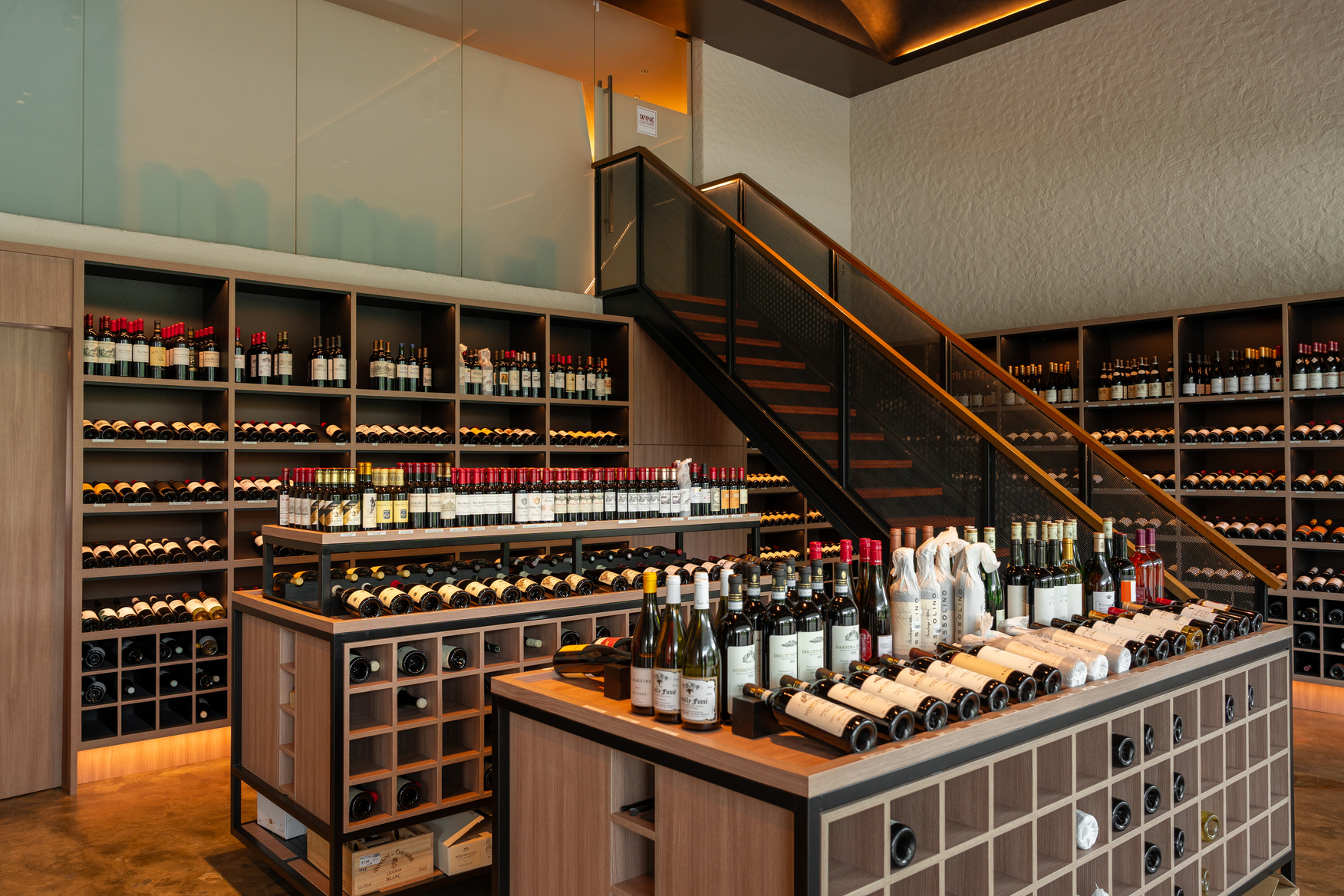 Wine Culture represents more than 30 artisanal wineries
- COLLECTOR FIRST, CONTRARIAN BY DESIGN
- TESTED, AND BETTING AGAIN
Collector First, Contrarian by Design
Heng didn’t set out to build a wine empire. He fell into it as a teenager, tasting whatever he and his schoolmates could get their hands on, hooked less by labels than by the fact that no two vintages ever tasted quite the same. “Every wine has its own personality,” he says. He was a collector first before he ever sold. Starting the business meant real risk. Seed money came from his parents, but that only bought him a starting line — it didn’t get him an appointment with Roty, and it certainly didn’t get him invited back for the next two and a half decades. That took a different kind of investment: Client dinners most weeknights, tastings most weekends, a long stretch where the job and the rest of his life stopped being separate things.
The contrarian call came early, and it was betting against Bordeaux. As recent as 2012, Bordeaux commanded roughly 87.5 per cent of the fine wine secondary market to Burgundy’s 4.2. Wind that back to 2001 and Burgundy was closer to a rounding error than a rival. Heng bet the other way anyway, on taste rather than data. “I love the wines of Burgundy because they’re elegant, aromatic, and complex,” he says, adding he suspected they’d suit Asian cuisine better than Bordeaux’s heavier style, and that drinkers would eventually migrate toward lighter wines. Burgundy’s subsequent rise — UNESCO heritage listing included — has made him look less like a gambler and more like someone who trusted his foresight.
(Related: Sustainability and resilience – The evolving language of Asian luxury)
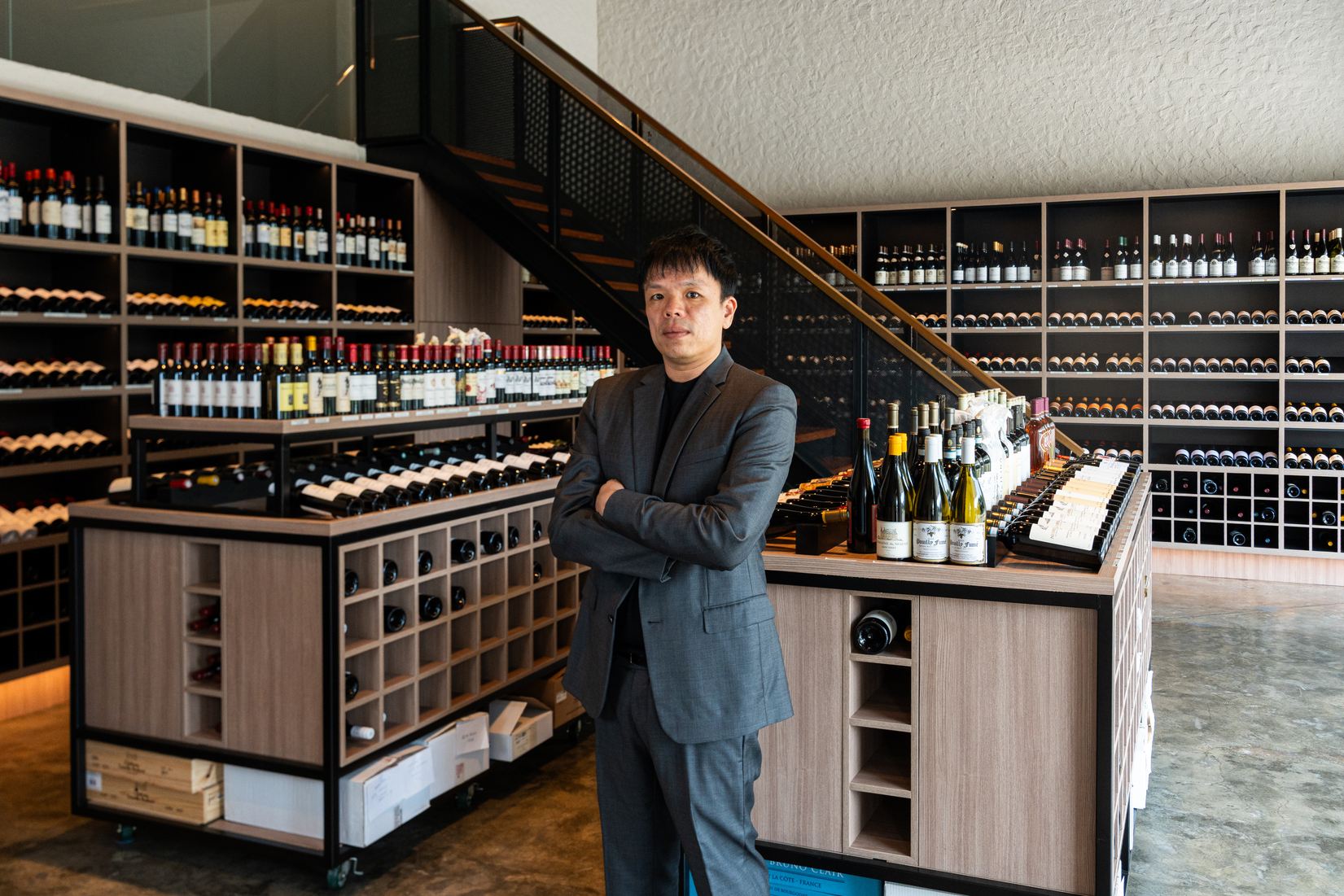
Getting through the door wasn’t persuasion so much as procedure — a letter to request an appointment, a presentation of what they were building in Singapore, to estates with no obvious reason to take a fledgling market seriously in 2001. It didn’t feel like unearthing anything at the time, either. Arnoux-Lachaux, in particular, was nowhere near the name it is now: Florence Arnoux ran the domaine alongside her then husband, Pascal Lachaux, their son Charles still years from taking over the winemaking, and the cult status that now has collectors fighting over allocations wouldn’t arrive until closer to 2017. Heng got in a decade and a half ahead of that curve and stayed there the unglamorous way — flying to Burgundy twice a year, sometimes three, every year since.
What those producers were actually vetting wasn’t Wine Culture’s balance sheet. For family estates built across generations, choosing a distributor means choosing someone to protect a reputation abroad — someone who takes the full range, not just the cult cuvées, and won’t let allocated bottles slide into resale. Heng’s answer has been to buy the whole portfolio and lean hard on provenance, as the one thing an official importer offers that an auction house structurally cannot.
- COLLECTOR FIRST, CONTRARIAN BY DESIGN
- TESTED, AND BETTING AGAIN
Tested, and Betting Again
There’s no single dramatic collapse in this story, but two downturns handled differently. In 2003, SARS gutted Singapore’s on-trade business as tourism evaporated for months, though Heng’s private client sales held up better. In 2008 the damage cut deeper — private client business dropped roughly 20 per cent — but it came with an opening: As other importers worldwide declined stock or trimmed allocations, Heng absorbed what they left behind, picking up allocations from small, sold-out producers with sudden spare capacity.
The one mistake he owns outright is currency, not conviction. Through 2010 to 2012, with the Euro trading as high as 2.1 Singapore dollars against roughly 1.4 to 1.5 today, wines bought en primeur landed two years later at prices no longer competitive with London, Paris, or Zurich. “We took a hit, lost money, and that was the most challenging part for us,” he recalls, noting that premium purchasing is now handled with far more caution.
At the silver jubilee, Heng announced ten new producer partnerships, all landed in the past year alone. To some, it may come off as sudden acceleration, but Heng insists that they are calculated, attributing to existing producers recommending him to others, and a Singapore collector base considerably more literate than it once was. He also conducts a monthly ritual called Curated Tastings, where a recent line-up of Denis Bachelet — valued near SGD$2,000 — was pouring for SGD$98. For a trade built on scarcity and gatekeeping, deliberately lowering the barrier to entry is arguably the most sensible approach to inspiring aspirational drinkers in Wine Culture’s current playbook.
(Related: Sustainability and resilience – The cost of authenticity)
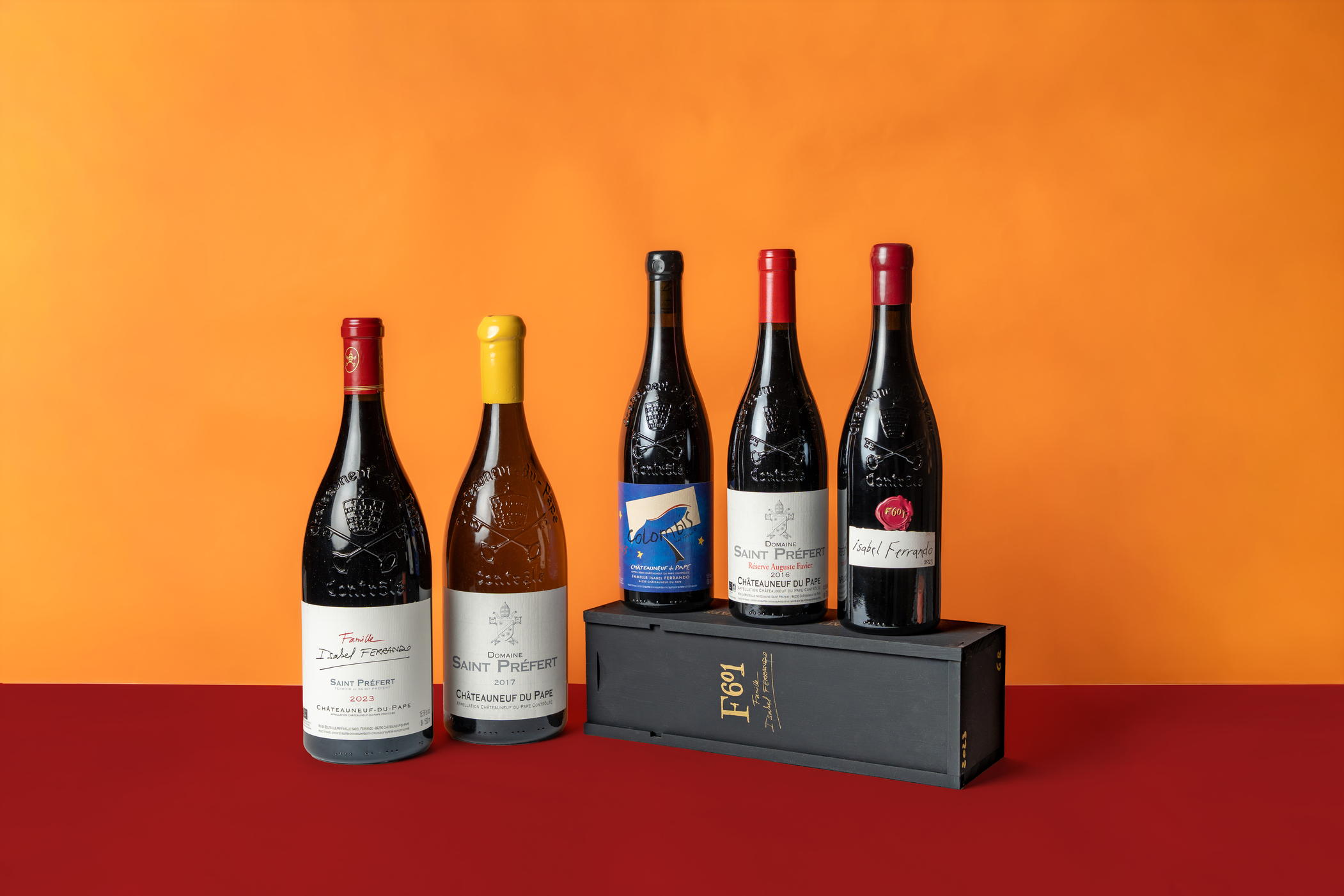 Wine Culture has expanded its portfolio with more than ten new winery partnerships
Now, Heng is making the same kind of early call again: Domaine Pierre Vincent, a solo project from a former Domaine Leflaive winemaker two vintages deep, and Carillon Frères, a young Puligny-Montrachet house run by François Carillon’s sons — bets placed years before the secondary market has noticed either name. Ask why, and the answer is almost insultingly simple: “If you know, you know.” It isn’t a reply so much as a shrug, but it does reveal the same instinct that got him into Roty’s cellar in 2001, redeployed for whichever unknown grower who will matter a decade or two from now.
I still think about that Pommard. It wasn’t the rarest bottle on the table that night, and it wasn’t the most expensive by a distance. What it was, was chosen — for me, specifically, without an audience, by a man who’d spent most of the evening watching the room rather than working it. 25 years of growers across Burgundy trusting him with their name suggests I wasn’t the only one on the receiving end of that instinct. Some importers are built on volume, but Heng built his knowing exactly what and who to pour for.





 Back
Back