Chef Björn Frantzén never dreamt about food, nor did he spend his childhood in the kitchen with his mother and grandmother like a lot of other chefs. A picky eater as a child, football was his passion, not food. Yet today, he is the only chef in the world to simultaneously hold three Michelin stars for three different restaurants: Frantzén in Stockholm, Zén in Singapore, and FZN in Dubai.
 Chef Björn Frantzén (photo courtesy of Frantzén Group)
Growing up in Stolna, just north of Stockholm, Frantzén discovered his passion for food at 12, after a humble plate of steak frites at a brasserie. “I’ve always been very picky with food. I'm still like a child, not into sea urchin or liver. Foie gras is OK, and given a choice, I would rather have chicken than pigeon. When I had that steak frites with homemade mayonnaise, a perfect red onion salad and balsamic dressing, it was my first Hallelujah moment with food.”
That moment crystallised his decision to become a chef. Today, the 49-year-old’s Frantzén Group is one of the world’s leading restaurant groups, with acclaimed concepts across Europe, Asia, and the Middle East.
Three Michelin-starred Zén made its Michelin Guide Singapore debut with two stars just 10 months after opening in November 2018, earning its third star in 2021. With a menu grounded in Nordic cuisine, French techniques, and Japanese influences, Zén remains one of Frantzén’s most distinctive fine dining expressions.
Before becoming a chef, Frantzén had trained to be a professional football player, until a sporting injury thwarted that dream. He credits the discipline of the sport with shaping his approach to the kitchen. “I came from a different background; and several of my team members have some form of semi-professional or professional athlete background too. A hockey goalie, a Swedish National Badminton Team player, etc. We all have that competitive, disciplined gene, so working in a Michelin-starred restaurant felt perfectly normal in some ways.”
Despite the achievement of having three restaurants each awarded three Michelin stars, Frantzén admits he rarely has time to dwell on it. “I wish I could enjoy it more,” he reveals. “It’s great when you get the award, but then you’re back to normal operational issues the next day.” For him, the stars are not the goal. Each restaurant has its own identity and team, which he likens to “three different small villages”. “You have to focus on the day-to-day operations.”
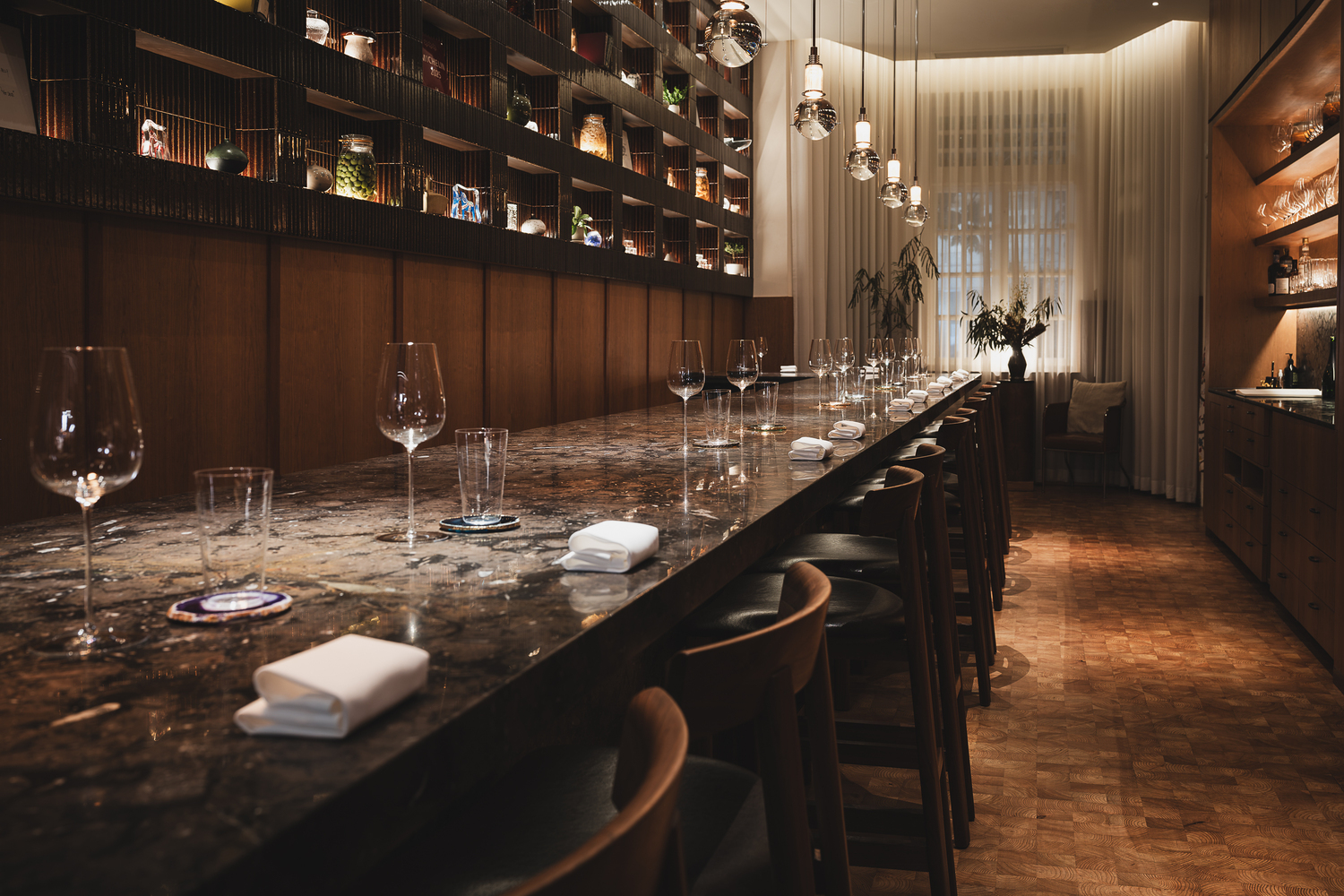
That philosophy feels particularly relevant as Zén enters a new chapter. After an extensive three-month renovation, the 23-seater reopened in August, alongside a new 16-seater stone chef’s counter, earthier-toned interiors, and an eclectic mix of Scandinavian art, created through a collaboration between the Frantzén Group and Stockholm-based interior architecture studio Joyn.
(Related: Sustainability and Resilience – The cost of authenticity)
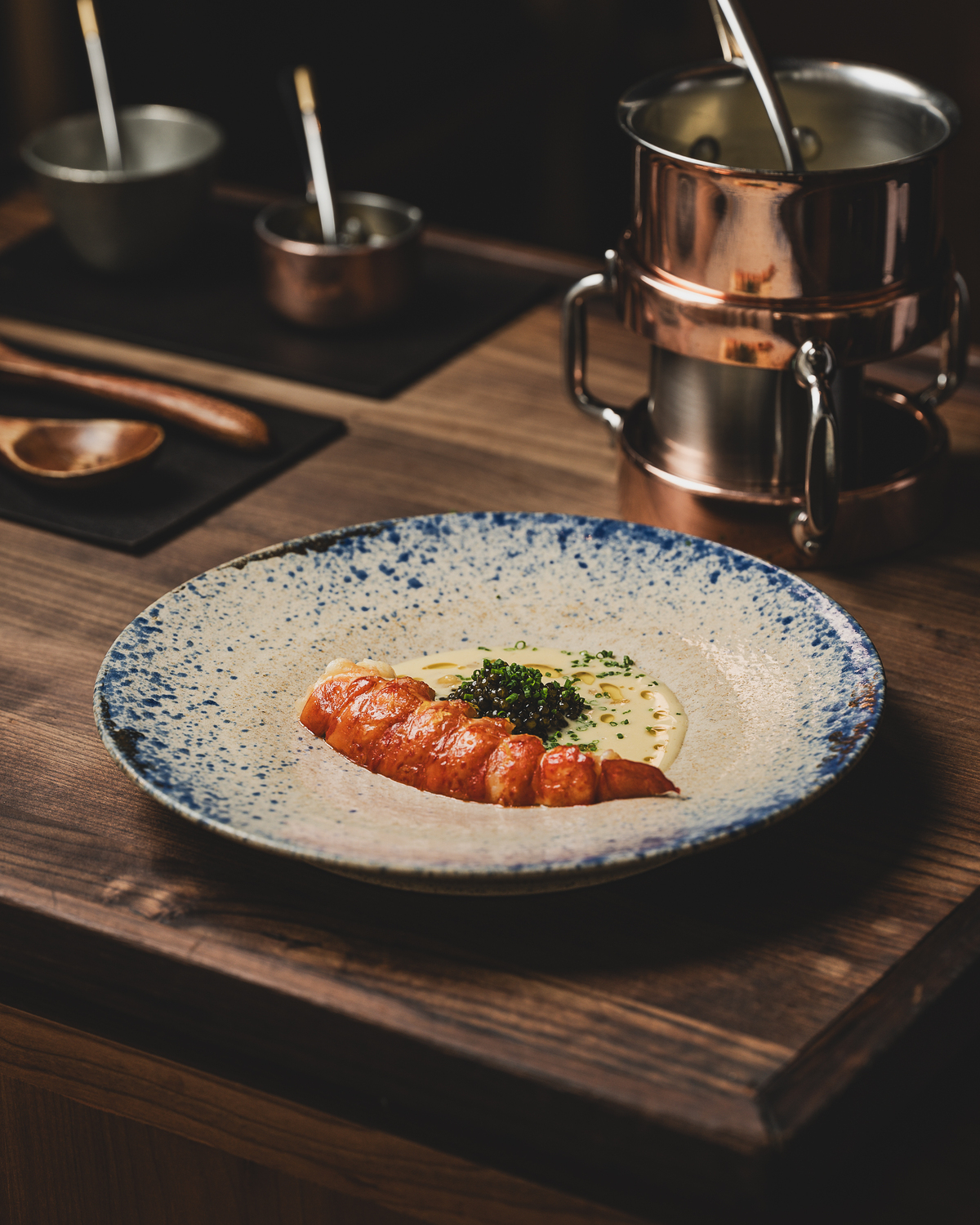 Marron, vin jaune, Frantzén selection caviar, walnut, brown butter
Frantzén’s vision for the classic three-storey shophouse is inspired by the feeling of coming to a friend’s home, one with good taste in décor, music, wine and, of course, food. Moving guests around the different floors for different stages of the menu becomes part of the experience. “Being able to move guests around for different stages of the menu becomes an exciting multi-sensory dining experience,” he says.
The renewed Zén brings the Singapore restaurant closer in spirit to its counterparts in Stockholm and Dubai, while retaining its own character. “This is the biggest yet! In many ways we have matched our fine dining experiences in Stockholm and Dubai, offering a more contemporary, intimate format, where architecture, hospitality, and storytelling come together once again in a renewed expression.”
Frantzén describes the Group’s DNA simply as casual elegance. “Luxury is changing. It used to be marble and gold and white tablecloths, but now the new generation prefers a smart casual Saint Laurent leather jacket, but not a suit.”
That philosophy is evident in Zén’s new open kitchen counter, where the experience begins with dishes served directly by the chefs. The meal is now distributed more evenly across the three floors, complemented by refined Scandinavian-Nordic interiors that feel, in his words, “lighter, yet darker, warmer and more contemporary, a little more luxurious.”
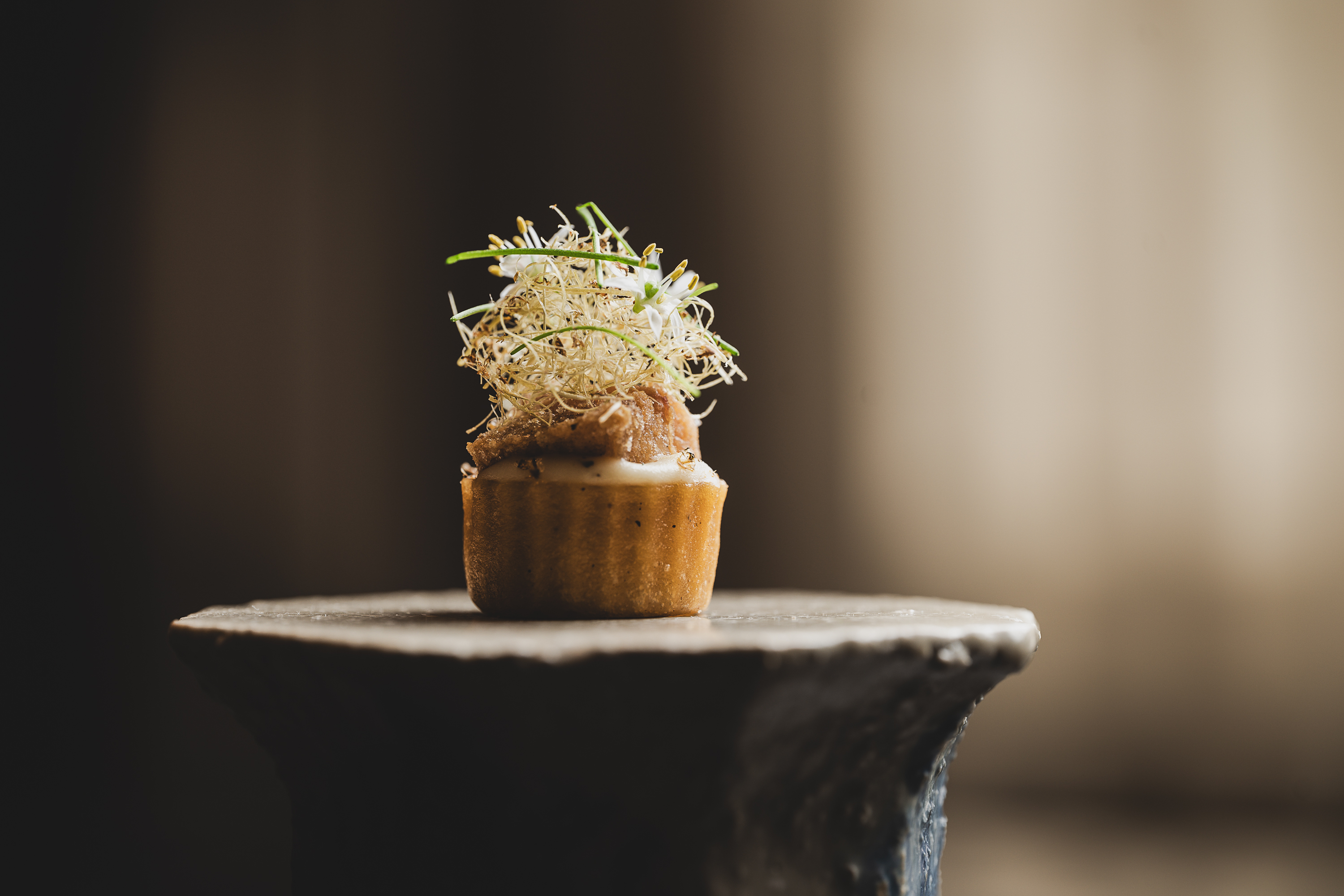 Croustade sweetbread, long pepper, calamansi
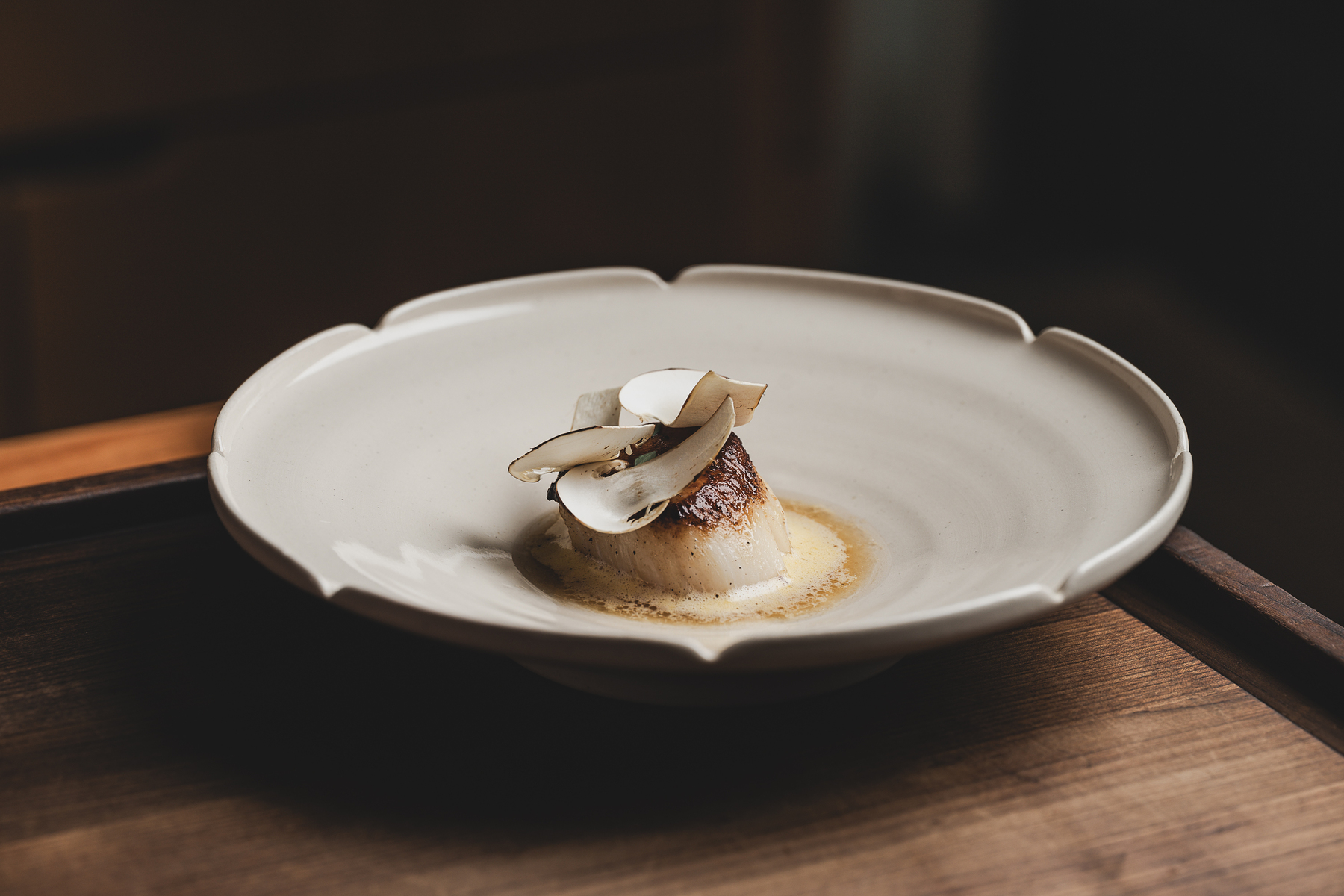 Scallop, miso sabayon, chicken dashi, roasted garlic, matsutake mushroom
Zén was Frantzén’s first international outpost to serve a tasting menu only, and that remains unchanged. What has changed is the pace. Dining time has been shortened by almost an hour, reflecting his belief that fine dining should evolve with the way people live. “The world is spinning faster, so I wanted to speed up the time one is forced to spend on the set menu. But it’s not cheap, so a two-hour-long experience isn’t possible either.”
He is particularly excited by the seven opening canapés, which introduce ideas developed throughout the meal, alongside a deeper exploration of fermentation, acidity, broths, and fire. “It is simply the strongest expression of Zén so far.”
The meal continues on the second floor with dishes including crudo of shima aji with artichoke bariguole, quince and nasturtium; chawanmushi with abalone, coriander, shiitake and beef broth; and Wagyu with oxtail pressé, morel and fermented Kampot pepper. A produce tray at the entrance offers guests a glimpse of what lies ahead, before the experience concludes upstairs in the lounge with desserts, petit fours, and digestifs.
(Related: Taste – New dining experiences to try this October)
While Frantzén personally prefers fine dining restaurants with à la carte menus, he acknowledges that tasting menus make it easier to manage the economics of a restaurant. “We're running a business, and need to make a profit and return on investment. The final price has to account for F&B costs, salaries, and overheads. We charge a particular price point for the premium positioning because of my professional responsibilities as an owner, to my staff, suppliers, and investors. It’s just simple maths.”
For Frantzén, the value lies not simply in the food, but in the experience. “Most of our guests are people that have saved money for a long time, are genuinely interested in food, and value experiences.” Some have even sold their car to dine at one of his restaurants. He compares it to paying extra for the best seats at a Premier League match. “If I do it, I want to do it properly and pay extra to be closer to the pitch. Ditto for dining at Zén. It’s all about the value potential.”
-
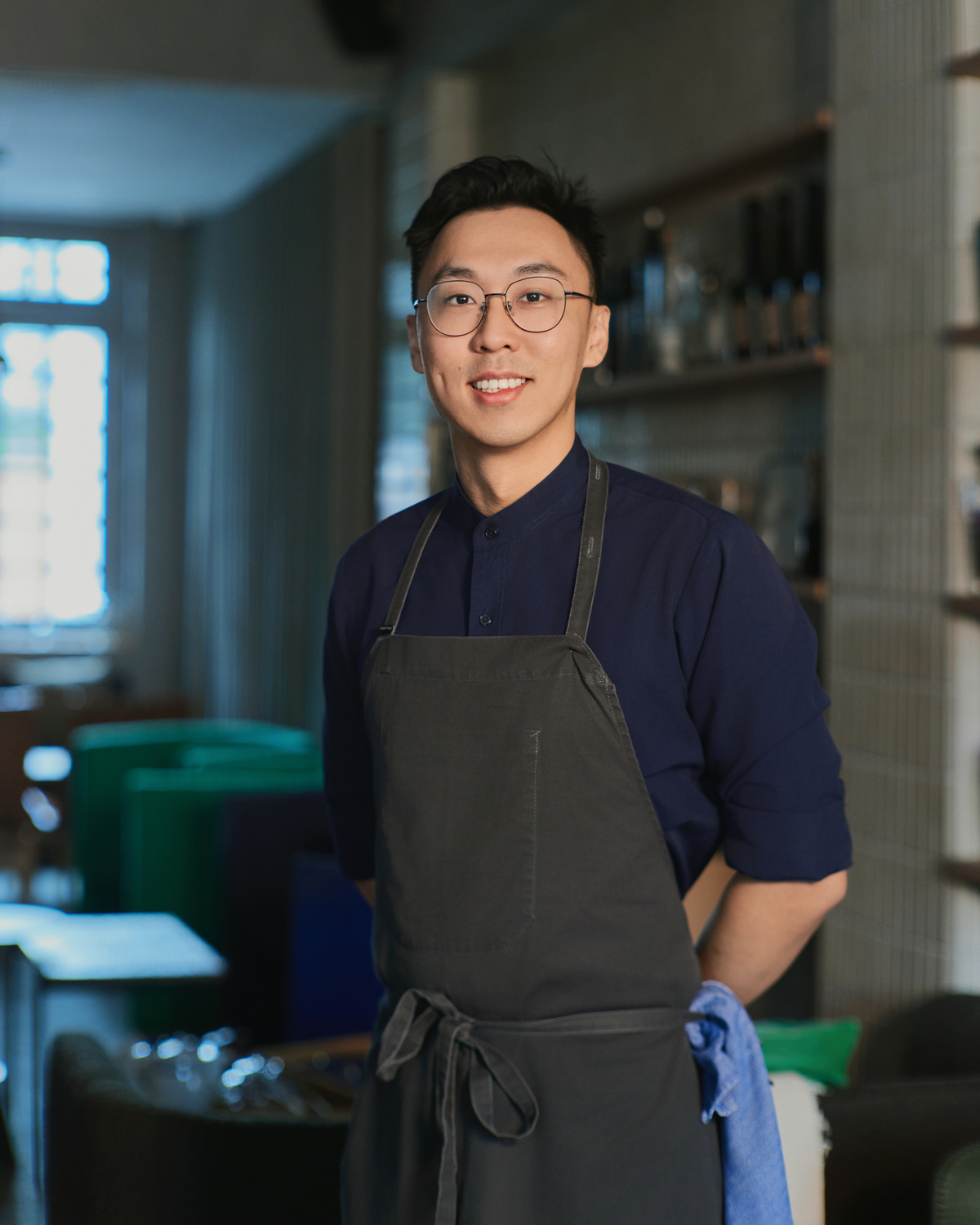
Kelvin Ng, Chef de Cuisine (photo by Lavender Chang)
-
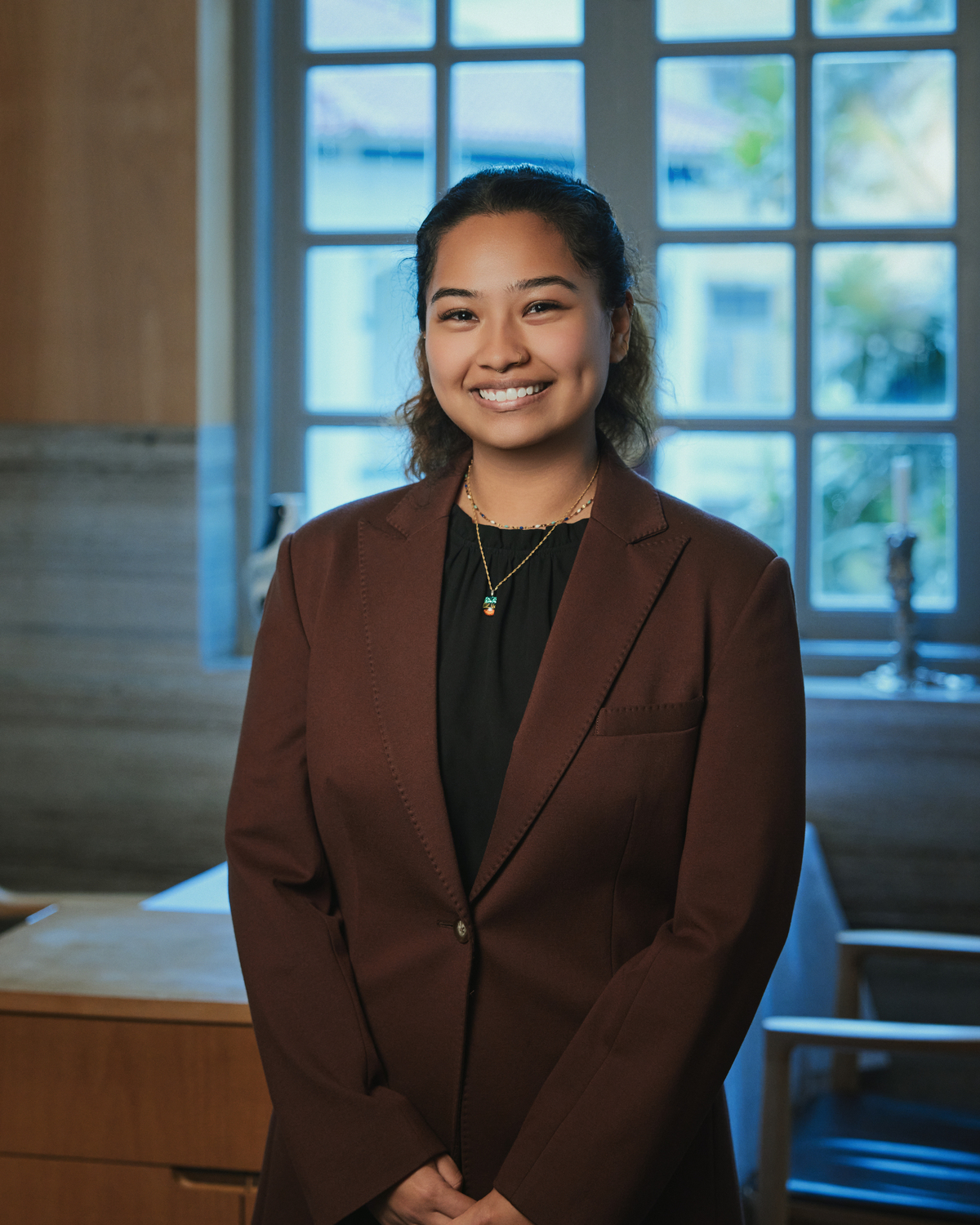
Rachel Ezekiel, General Manager (photo by Lavender Chang)
-
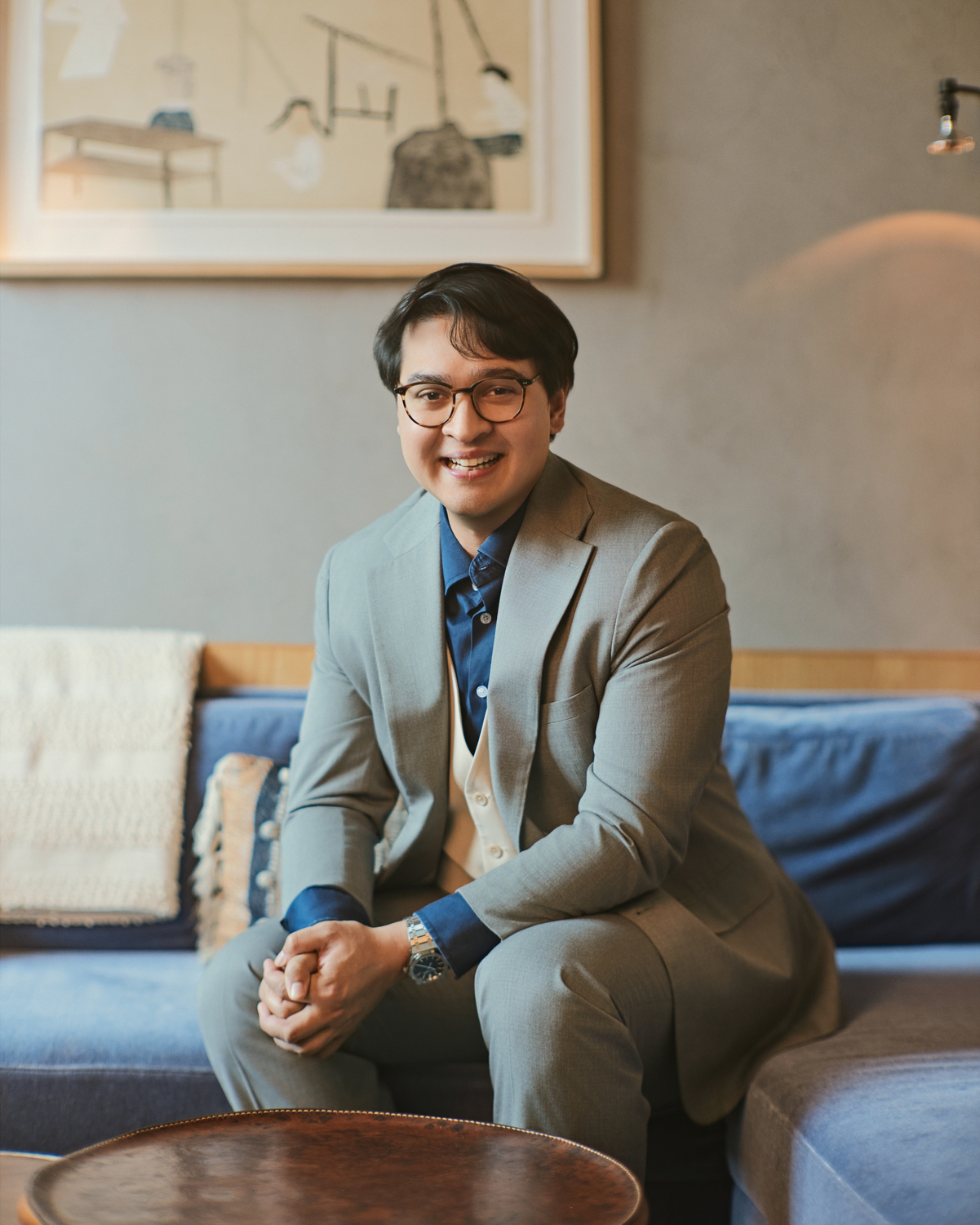
Warren Estrop, Beverage Director (photo by Lavender Chang)
Click to next slide
As the Frantzén Group has grown, so too has the chef’s room for creativity. With a CEO, HR department, and corporate chefs now handling much of the operational side, Frantzén spends more time in the Group’s Test Kitchen in Stockholm developing new dishes.
Growth also brings opportunities for his teams. Two new restaurants in Australia, in partnership with Crown Resorts, will mark the Group’s first venture into the market in 2027. For Frantzén, expansion is as much about people as it is about restaurants. “Unless I can keep offering more exciting opportunities, people will eventually move on. This is also a way for me to give back to everyone who has been loyal to me for so many years. There's no way I could take on more projects and expand without my trusted teams.”
At Zén, that trusted team includes Head Chef Kelvin Ng, General Manager Rachel Ezekiel, and Head of Beverage Warren Estrop, Frantzén’s “trio of Singaporean boots on the ground”. Ng leads a kitchen brigade of 19, while the restaurant’s supply chain stretches across the region, with ingredients arriving from Japan and Europe several times a week, alongside specialty produce sourced directly from Yunnan.
For Frantzén, having local leadership is essential. “Kelvin is perfect, he knows the locals and ingredients. Every country has their small local secrets, ways that people operate in, what’s really important to them. Having local managers is a real blessing because our dining base is the local clientele, so we need to understand that market perfectly.”
Perhaps that is the clearest expression of Frantzén’s approach: For all the Michelin stars, international expansion, and accolades, the work ultimately comes back to the people, the ingredients, and the daily pursuit of making the experience better.





 Back
Back