Island Shangri-La Hong Kong has long been a familiar presence in the city’s luxury landscape. It has a sense of relaxation that comes with time and is situated over Pacific Place in Admiralty, a business-forward area. With a more methodical, design-led approach, the hotel now stands at a crossroads of heritage and contemporary following its 2024 renovation.
The arrival experience remains unmistakably Shangri-La. The Great Motherland of China, an iconic Chinese silk painting that serves as the atrium’s focal point, continues to convey a feeling of grandeur and ritual. Where the hotel once leaned heavily into formality, it now feels gently relaxed – a sense that luxury no longer needs to prove itself.
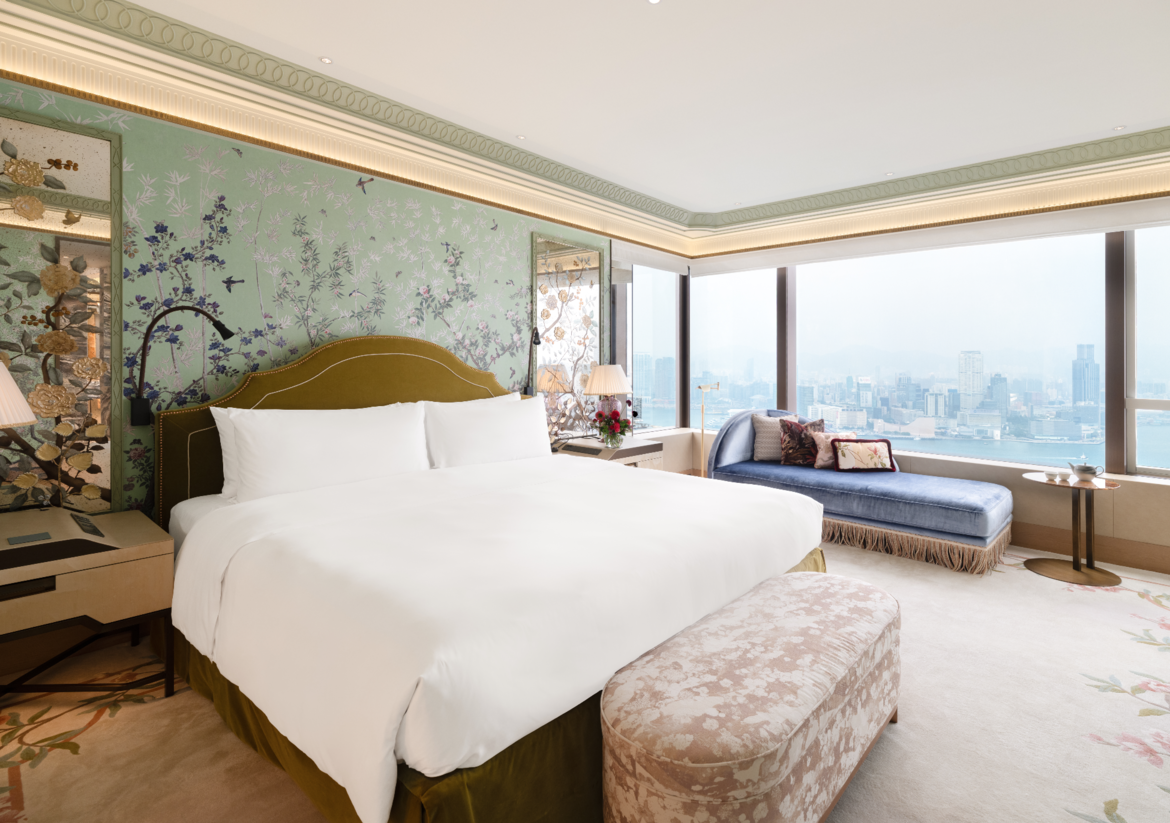
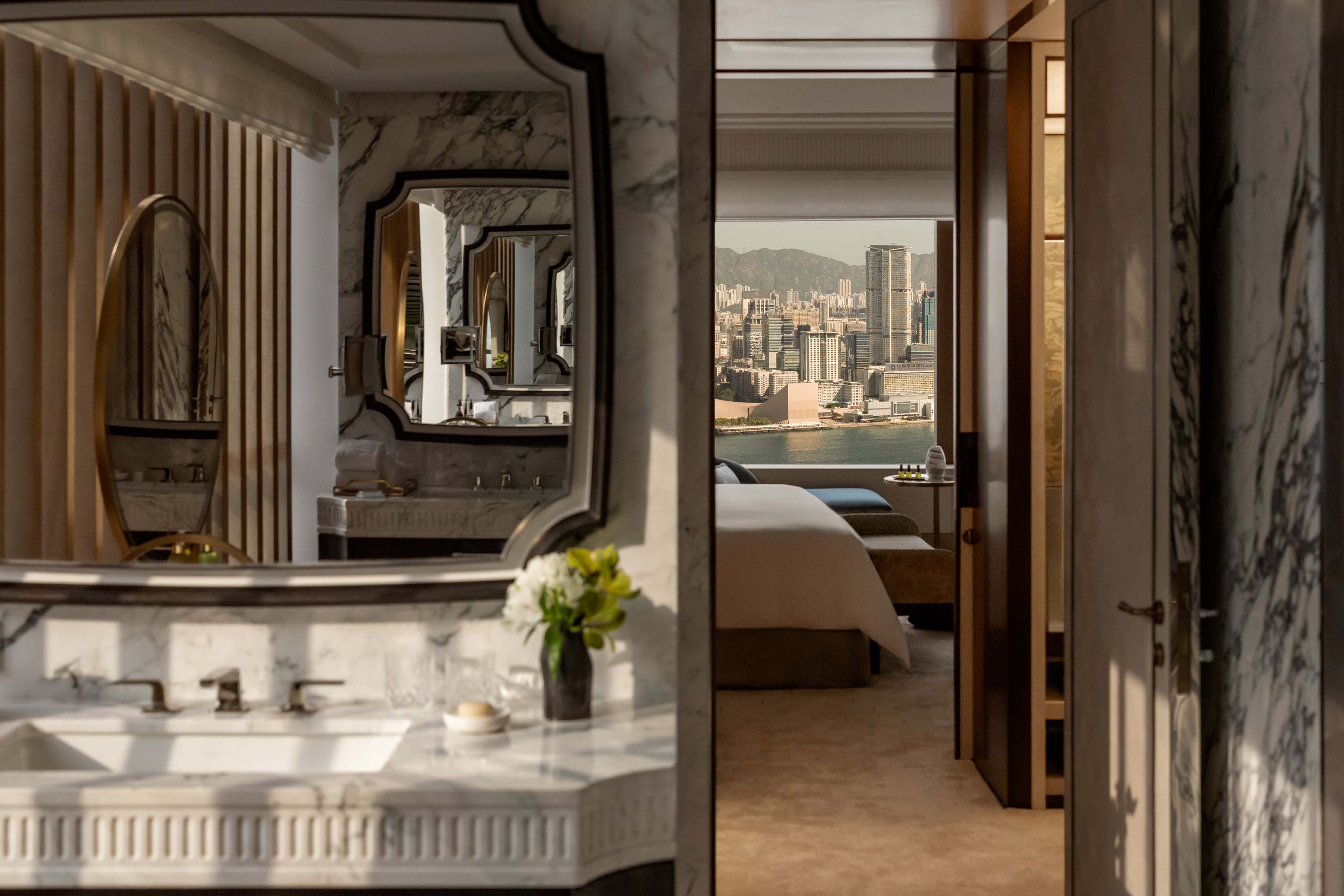
That same sensibility carries into the guestrooms. In 2024, over 500 rooms were refurbished, marking one of the most significant updates in the hotel’s history. The heavier, more traditional finishes that once defined the interiors have been softened, giving way to a lighter material palette that feels more open and breathable. Neutral tones allow light to move more freely across the rooms, while clean-lined furniture reduces visual weight. Subtle Asian references are layered through textures and detailing, adding depth without overwhelming the space.
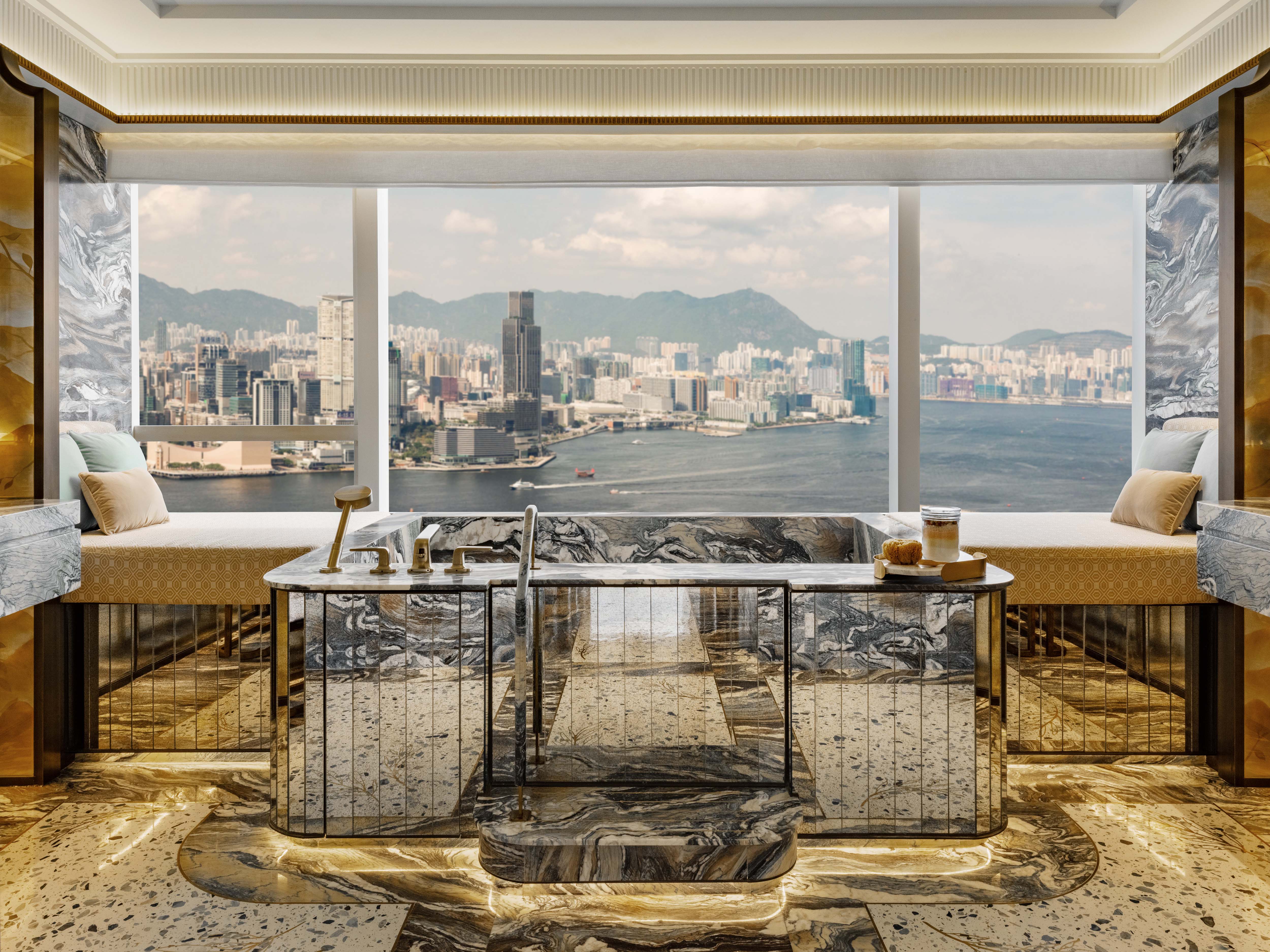
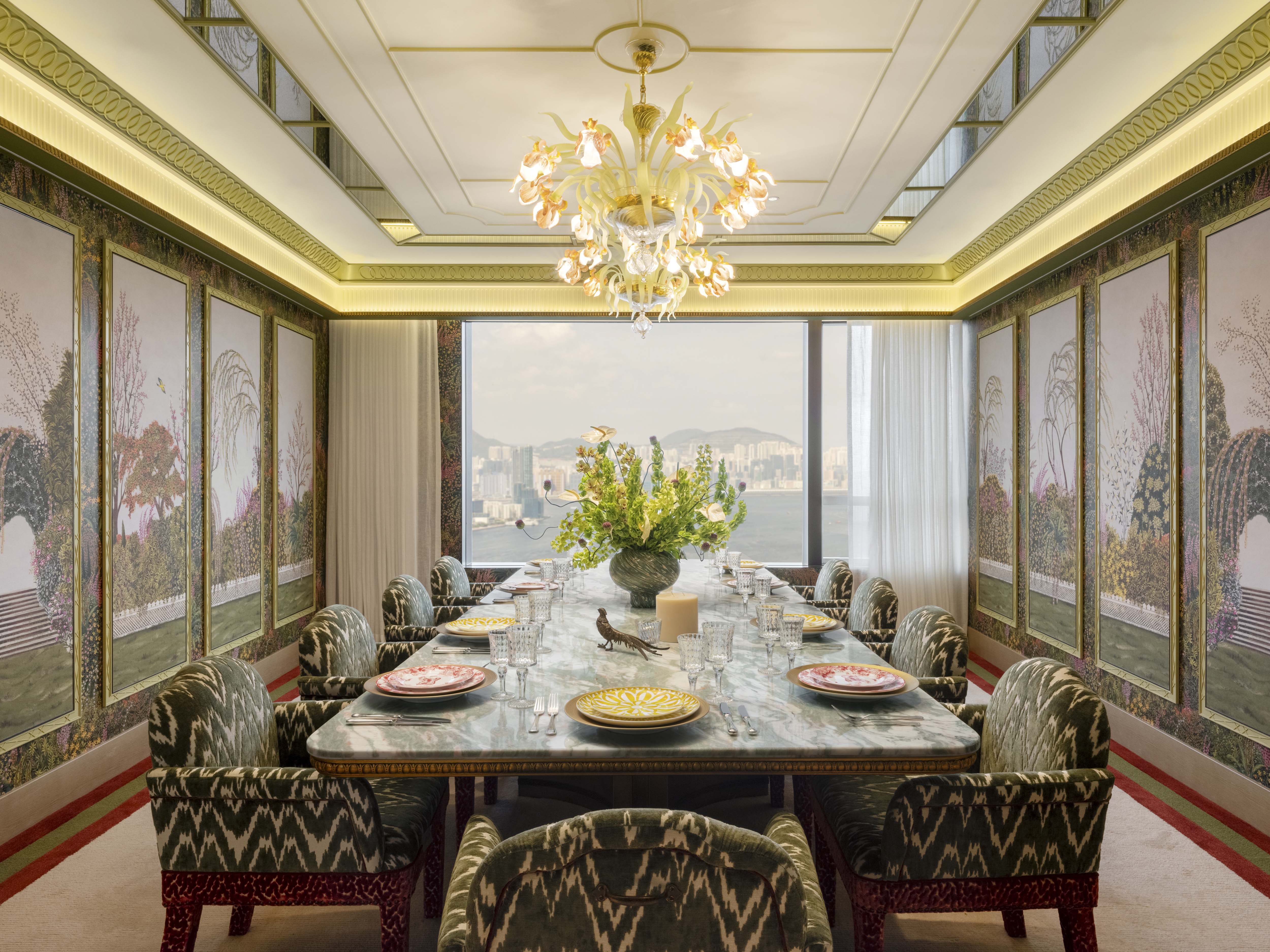
Among the hotel’s standout accommodations are the Hong Kong Suite and Shangri-La Suite, both of which reflect the hotel’s more elevated expression of luxury. Grand yet understated, the suites balance residential comfort with sweeping views across the city, layered with refined finishes and carefully composed details that reflect understated luxury.
Perhaps the most unexpected expression of the hotel’s evolution, however, sits on the 45th floor. Dedicated to family-friendly luxury, the level houses 21 themed rooms and suites designed to make travelling with little ones feel both seamless and elevated, without compromising on comfort or style. Among them, the Airship Voyage themed family suite stands out for its imaginative design approach, transforming the stay into something more immersive and playful.
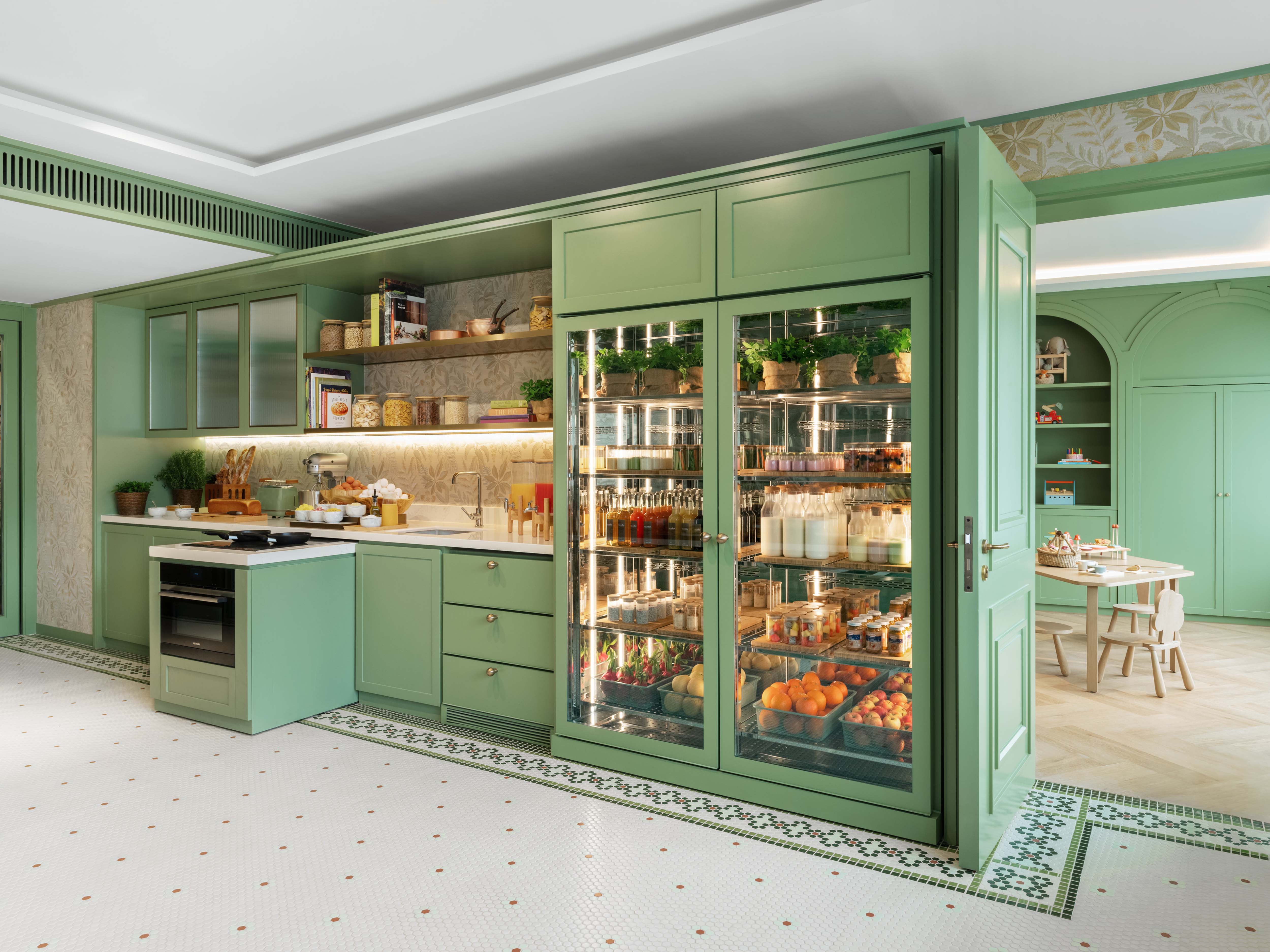
The experience extends beyond the rooms themselves. Families also have access to exclusive facilities such as The Hangout, a thoughtfully designed living-dining-play space for both parents and children to unwind, alongside The Pantry, which is stocked with child-related appliances and essentials to ease the practicalities of travelling with young children. Together, they reflect a broader understanding of what hospitality means today, where luxury is not only about aesthetics and service, but also about anticipating the needs of modern, multigenerational travel.
If the rooms speak of change, the dining programme speaks of continuity.
The dining offerings at Island Shangri-La Hong Kong continue to be one of the hotel’s defining strengths. At the one-Michelin-starred Petrus, guests can expect classic French cuisine paired with sweeping skyline views and a level of service that feels almost ceremonial. It is the kind of restaurant that stands as a destination on its own, even beyond the hotel stay itself.
Meanwhile, Nadaman brings a more traditional expression of Japanese fine dining, rooted in its longstanding kaiseki heritage. Its teppanyaki counter offers a more intimate setting, where premium ingredients such as wagyu beef, lobster, and abalone are prepared with precision and refinement.
Elsewhere, Lobster Bar and Grill offers a more relaxed yet equally polished atmosphere, long known for its seafood-forward menu and cocktail programme, while the Michelin-starred Summer Palace continues to uphold its reputation for refined Cantonese cuisine. Rounding out the hotel’s culinary mix is Ming Pavilion, which introduces Fujian cuisine into the offering, adding a more regional and distinctive layer to the hotel’s dining narrative.
Whether for a short stay or a longer pause in the city, it offers a sense of ease that stays with you.
For more information, click here







 Back
Back