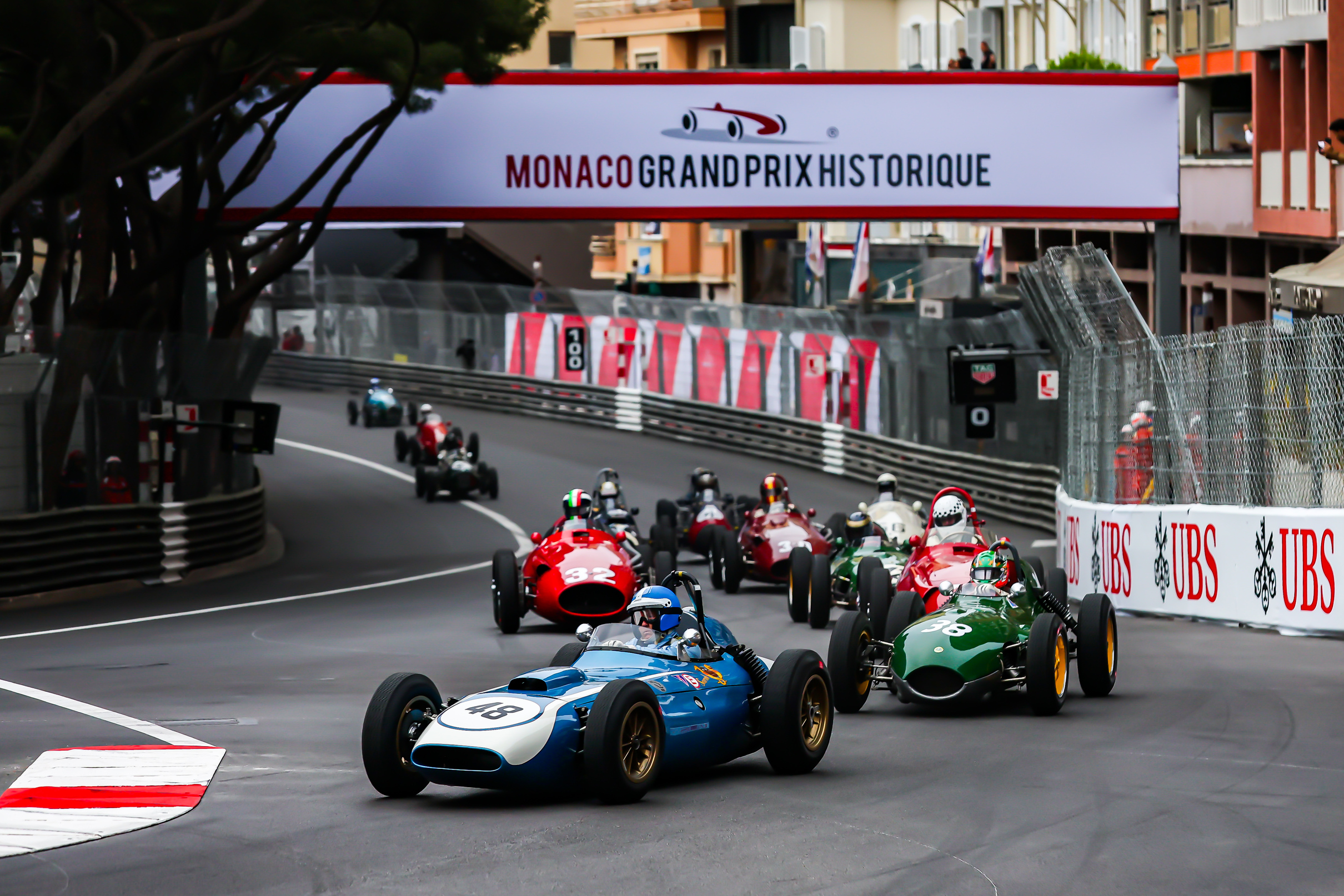
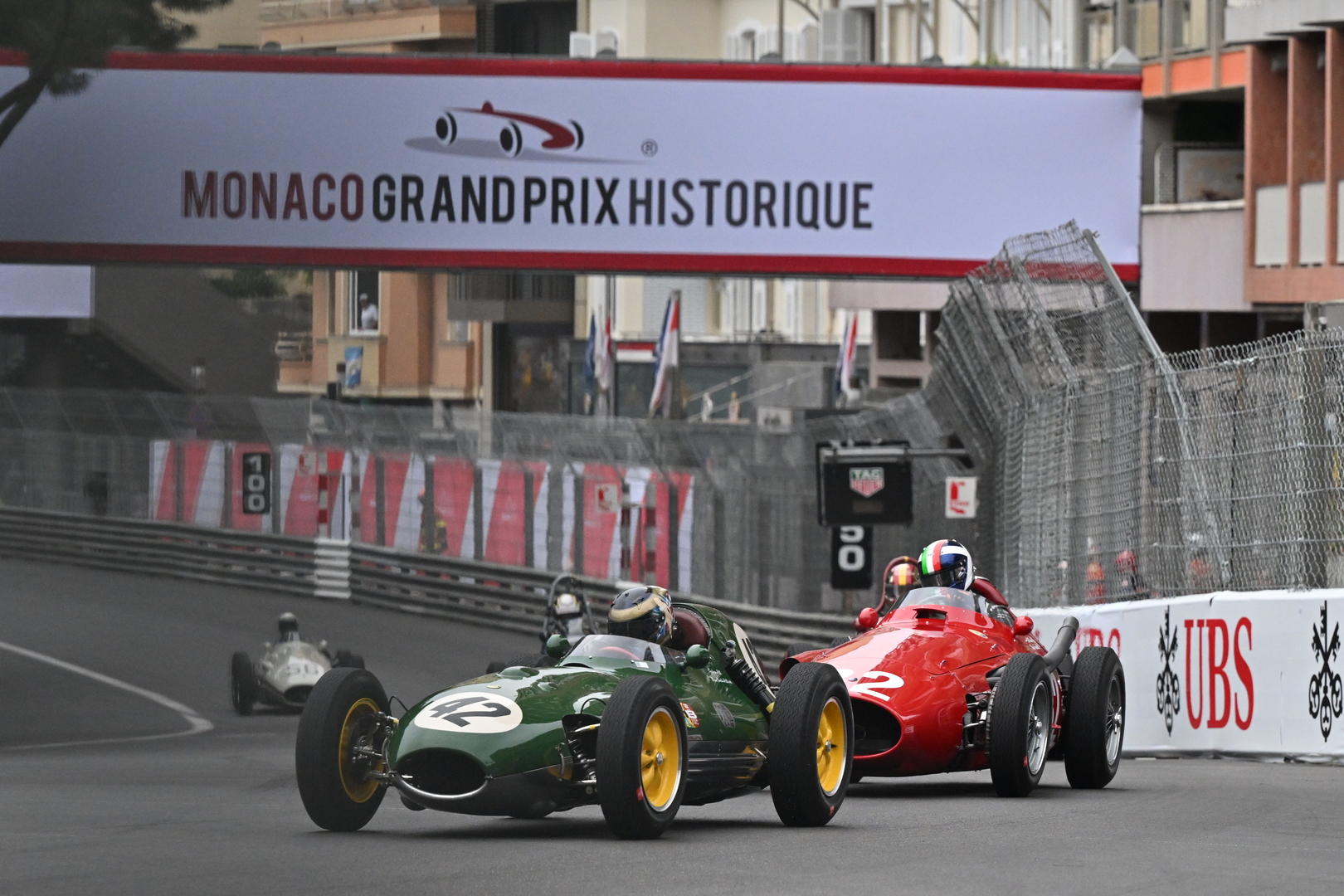
As vintage Ferraris, Lotuses, and Maseratis thundered through the principality of Monaco during the Grand Prix de Monaco Historique from 24 to 26 April 2026, another kind of legacy was being celebrated across the harbour: The enduring relationship between Moët & Chandon and motorsport. That story stretches back over a century. Starting in 1925, champagne jeroboams were already being presented to winners of car races held in the Reims region – one of the spiritual homes of French motorsport – with driver Tazio Nuvolari reportedly drinking from a jeroboam of Moët & Chandon after taking the chequered flag in New York’s Vanderbilt Cup in 1936. By 1950, when Formula 1 staged its first French Grand Prix at Champagne’s Reims-Gueux track, the victor Juan Manuel Fangio was toasted by racing enthusiasts Paul Chandon-Moët and his cousin Count Frédéric Chandon de Briailles. Meanwhile, Fangio shared his bottle of champagne with the runner-up in the spirit of “Victory is better when shared” – Moët & Chandon’s slogan now seen at F1 races worldwide.
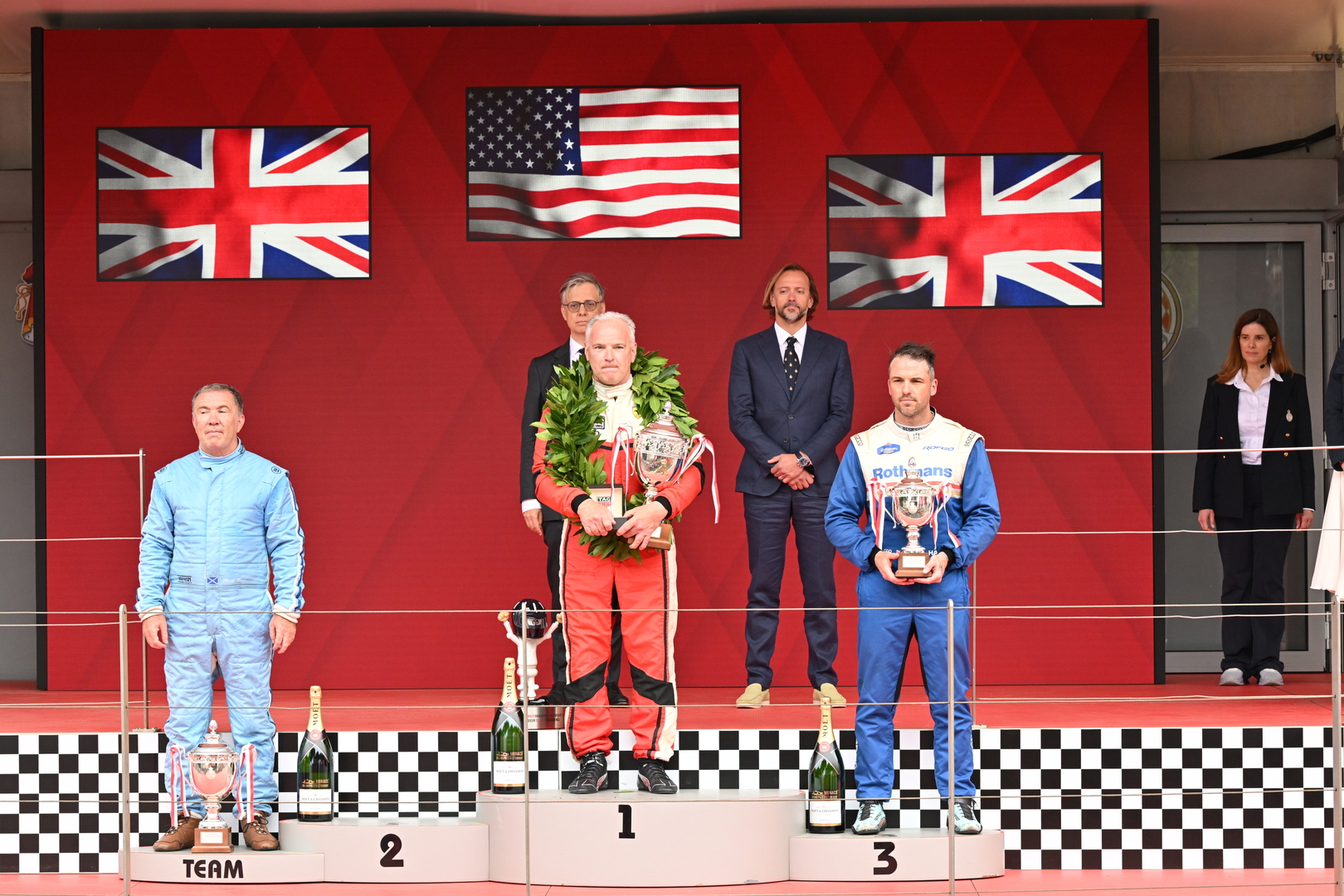
Then came 1967, when American driver Dan Gurney famously shook a jeroboam of Moët & Chandon after winning Le Mans, causing the cork to explode, and inventing the now-iconic champagne spray that has become one of the sport’s most recognisable rituals. Over the ensuing decades, Moët & Chandon has been the victor’s spoils for racing legends like Sir Jackie Stewart, Ayrton Senna, Nikki Lauda, Alain Prost, Mika Häkkinen, and Michael Schumacher. Now, 90 years after those first podium celebrations, Moët & Chandon has returned to the centre of motorsport culture with remarkable force.
Last spring, Moët & Chandon’s parent company Moët Hennessy, the wines and spirits division of the LVMH group, announced a multi-year partnership with the Automobile Club de Monaco (ACM) – the oldest automobile club in the world – becoming Official Partner of the institution behind the Monaco Grand Prix, the Rallye Monte-Carlo, the Monaco E-Prix and the Grand Prix de Monaco Historique. “The Automobile Club de Monaco represents one of the most iconic stages in global motorsport,” says Jean-Jacques Guiony, President and CEO of Moët Hennessy. “Partnering with such a legendary institution is both an honour and a natural step for Moët Hennessy.” Moët & Chandon assumes the role of Official Champagne, while the wider Moët Hennessy portfolio gains visibility across the club’s hospitality ecosystem.
(Related: The Corvette Stingray 3LT is an undercover supercar)

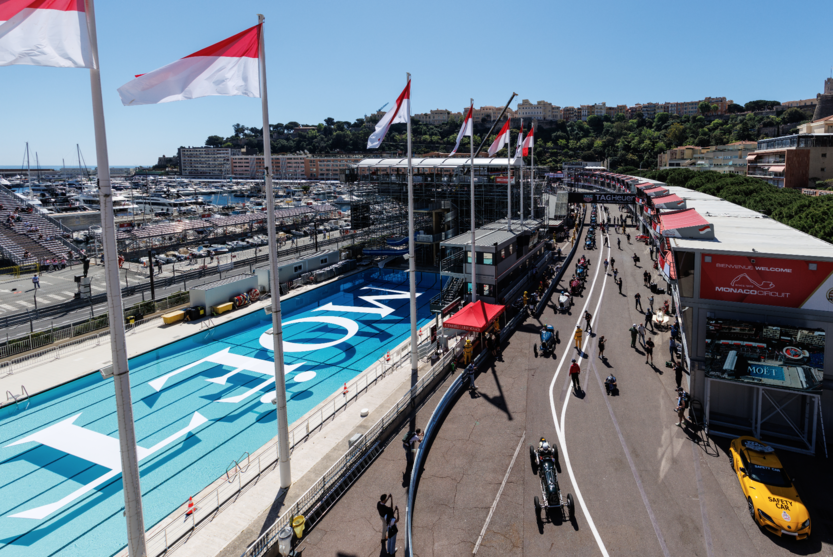
Walking through Monaco during the Historique race weekend last April, the partnership already felt deeply embedded into the fabric of the event. A giant Moët logo floated in the municipal swimming pool, captured on screens across the race. At the Classic Club hospitality area, Moët & Chandon flowed freely in a dedicated terrace overlooking the pit lane. Guests moved between pours of Whispering Angel wines, Belvedere cocktails and Hennessy serves, while rare historic racing cars echoed through the streets below.
The symbolism matters. Monaco is not merely another race destination. It remains the ultimate expression of motorsport mythology – equal parts engineering, glamour, danger, and aristocratic theatre. Nowhere else does Formula 1 pass quite so intimately between superyachts, Belle Époque façades and apartment balconies. Even the Historique, launched in 1997, has evolved into one of the world’s most coveted automotive events, attracting collectors, royalty, and racing purists alike. Guiony states, “For Moët & Chandon, it is a return to a longstanding heritage shared with Monaco and its iconic motor racing universe, celebrating victory, excellence, precision and the collective emotions that turn sporting moments into memories.
The Monaco deal also reveals something bigger: LVMH is making one of the boldest luxury power plays motorsport has seen in decades. In 2025, the group signed a landmark 10-year global partnership with Formula 1 worth an estimated US$1 billion. Under the agreement, Louis Vuitton became an Official Partner of Formula 1, TAG Heuer returned as Official Timekeeper, and Moët Hennessy reclaimed its historic place as Official Champagne.
For years, luxury brands flirted with Formula 1 through team sponsorships and hospitality activations. LVMH is operating on another scale entirely. Rather than attaching itself solely to individual teams or drivers, the group is embedding its maisons directly into the architecture of the sport itself: Timing systems, podium rituals, VIP experiences, and trophy ceremonies. The strategy reflects Formula 1’s transformation from niche motorsport into global entertainment property. Since Liberty Media’s takeover, the championship has attracted younger and more diverse audiences through streaming culture, social media, and lifestyle storytelling. Luxury brands no longer see Formula 1 merely as sport; they see it as a cultural platform.
Monaco is central to that equation because it represents Formula 1 at its most aspirational. Unlike newer races designed around spectacle, Monaco possesses something luxury brands crave, but cannot manufacture: Authenticity. According to Moët Hennessy, Monaco stands as one of the four remaining Grand Prix venues from Formula 1’s inaugural season, alongside Silverstone, Spa and Monza. “Since 1890, the Automobile Club de Monaco has embodied the pinnacle of motorsport heritage, passion and innovation,” points out Michel Boeri, President of the ACM. “Together with Moët Hennessy, we are honoured to celebrate these legendary moments with unparalleled elegance, offering our members, guests and spectators a truly exceptional experience.”
What makes the ACM partnership especially strategic is that it extends beyond Formula 1’s tightly controlled commercial structure. During Monaco race weekends, separate hospitality territories coexist: Formula 1’s own spaces, such as the Paddock Club, alongside ACM-managed venues. Through both partnerships, Moët Hennessy gains unprecedented reach across virtually the entire ecosystem of the event. The ambition is not simply visibility – it is immersion.
Moët Hennessy’s maisons are increasingly shaping how elite motorsport is consumed – what guests drink, where they socialise, how hospitality feels and even how victory itself is ritualised. The company has made clear that further concepts and activations will continue to roll out progressively with the ACM. Watching drivers wrestle vintage machines around the harbour chicane during the Historique, one thing became obvious: Monaco remains obsessed with preserving its past. Yet this partnership is equally about the future. Because in modern-day racing, luxury is no longer sitting quietly in the sponsor’s lounge. It is becoming part of the show itself.





 Back
Back