



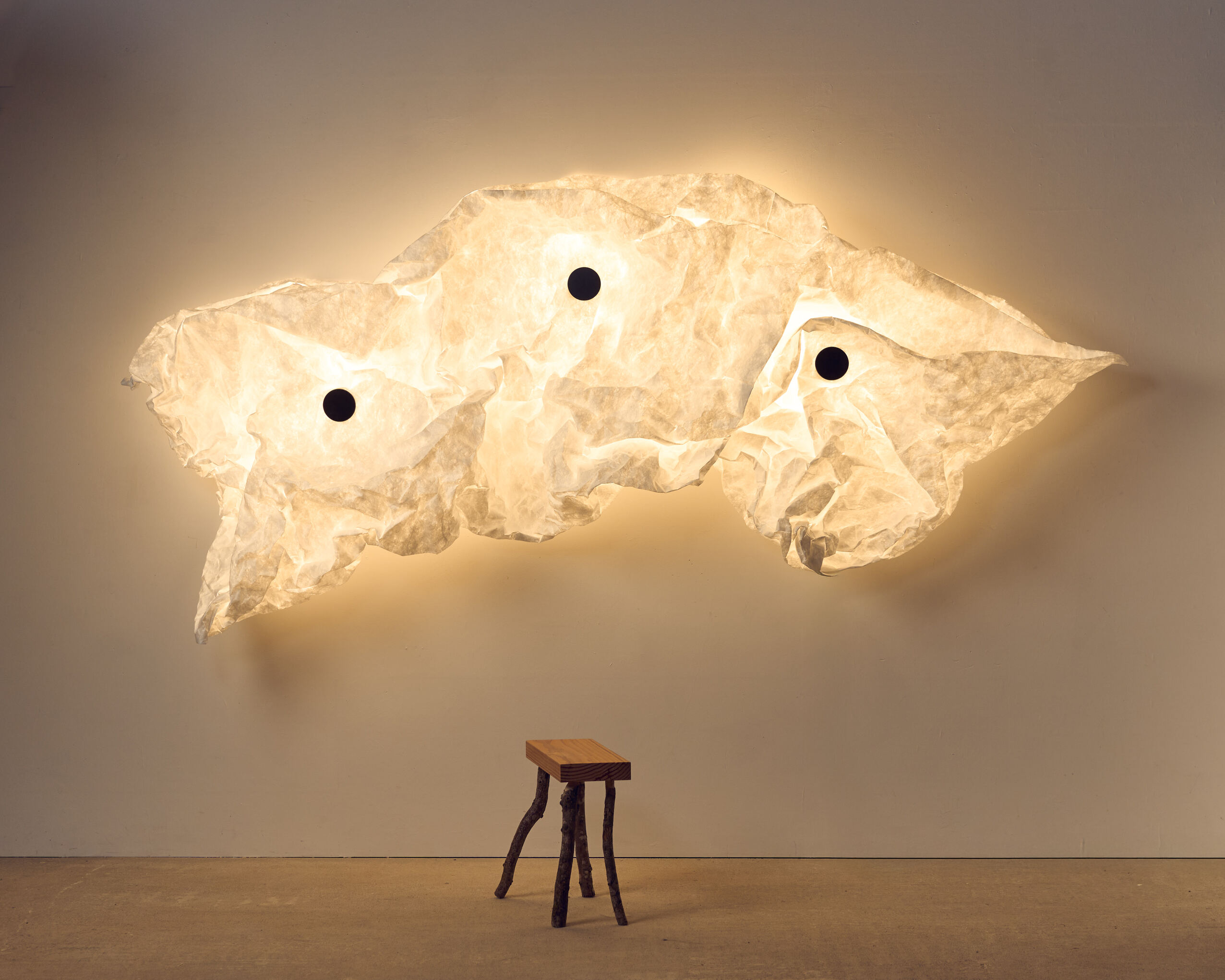
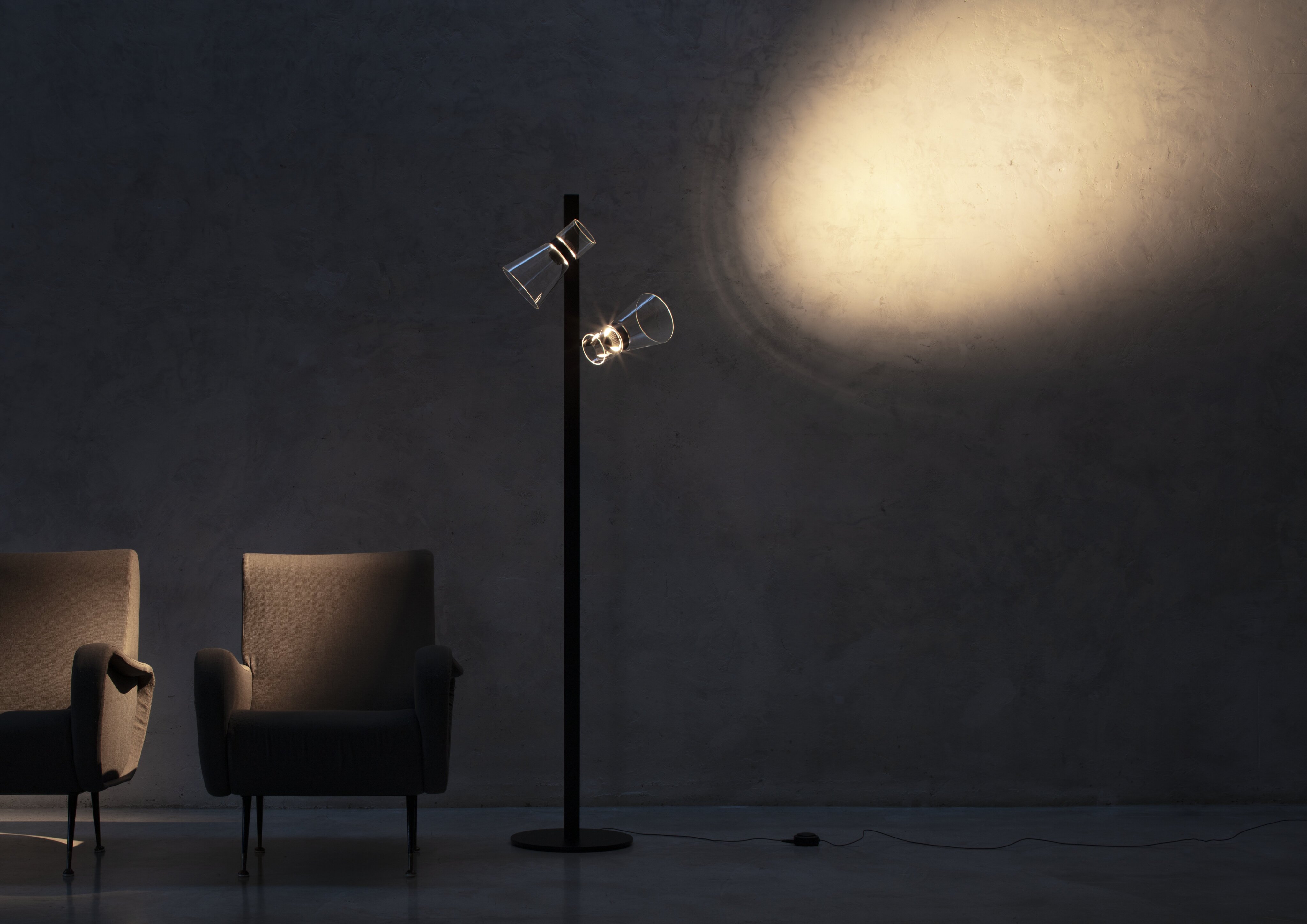
Light, in particular, became an emotional medium. At Flos, two highly anticipated launches demonstrated how illumination can transcend function. Konstantin Grcic’s Nocturne transformed the showroom into a dreamlike landscape inspired by 2001: A Space Odyssey, where softly glowing forms and ethereal reflections created an almost cinematic stillness. Meanwhile, Erwan Bouroullec’s Maap wall lamp introduced an entirely different language, inviting users to shape its paper-like surface by hand. Less a fixed object than a living composition, the lamp celebrates imperfection and the unexpected beauty that emerges from creative spontaneity.
THE NEW LANGUAGE OF LIVING
The New Language of Living: Collectible Statements
by Portfolio Magazine
29 Jul 2026
29 Jul 2026
As the boundaries between art, architecture, and design continue to blur, the brands under the Space Furniture portfolio presented pieces that engage the senses and enrich everyday life.

The chatter around collectible design at Milan Design Week 2026 extended beyond limited editions and statement pieces. Increasingly, the value of an object lies not simply in how it looks, but in how it shapes atmosphere and experience. Across the presentations by brands represented by Space Furniture in Singapore, design emerged as something deeply immersive – blurring the boundaries between art, architecture, and everyday life.
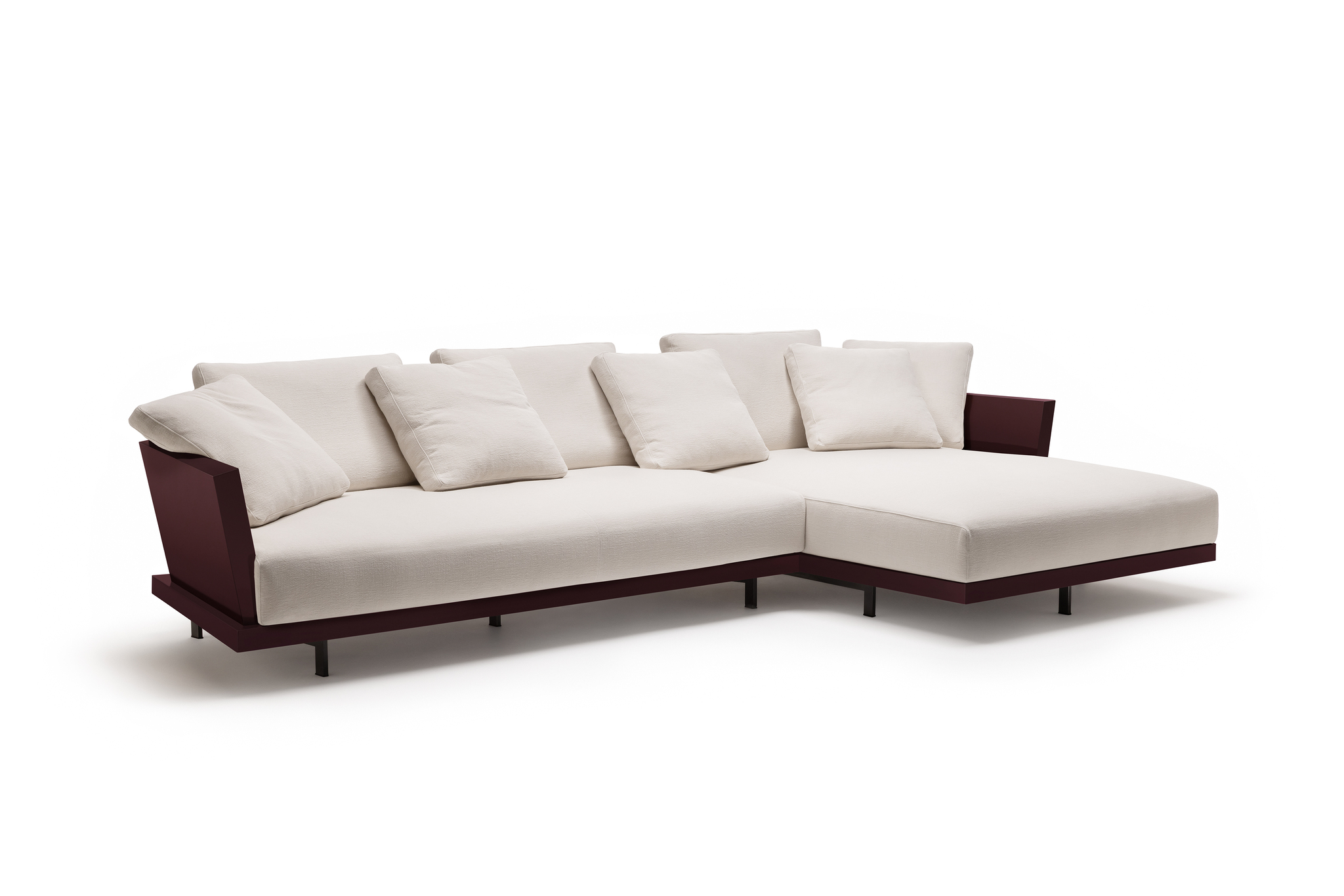
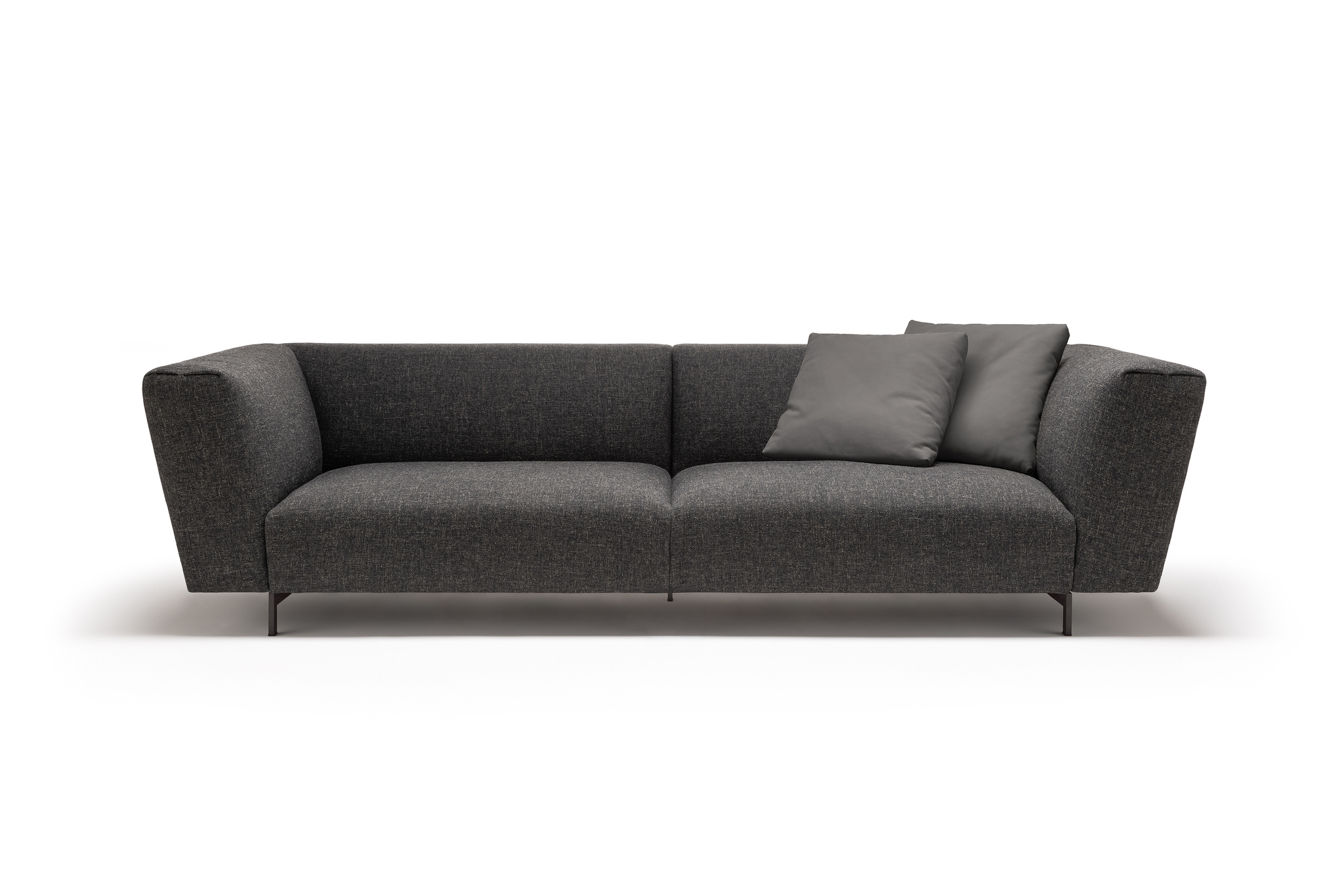
A similarly immersive sensibility could be found at Living Divani. Its 2026 presentation unfolded as a continuous narrative rather than a conventional showcase, where architecture and furnishings flowed seamlessly from one space to another. Soft lighting, translucent partitions, and sculptural forms created an environment defined by balance. Pieces like the Edge sofa and Neera seating reflected an approach rooted in restraint, where every gesture felt considered and every object contributed to a larger sense of harmony.
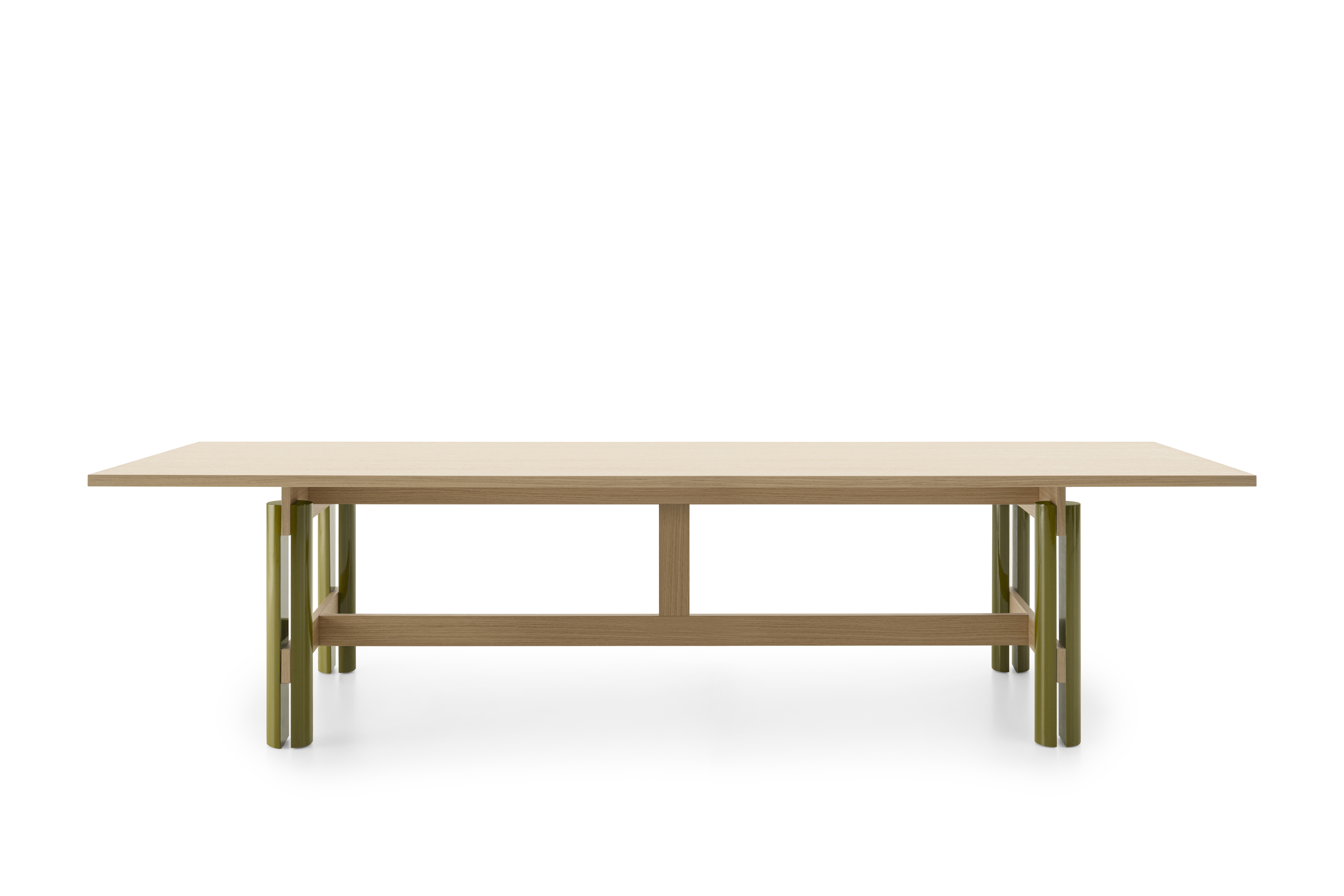
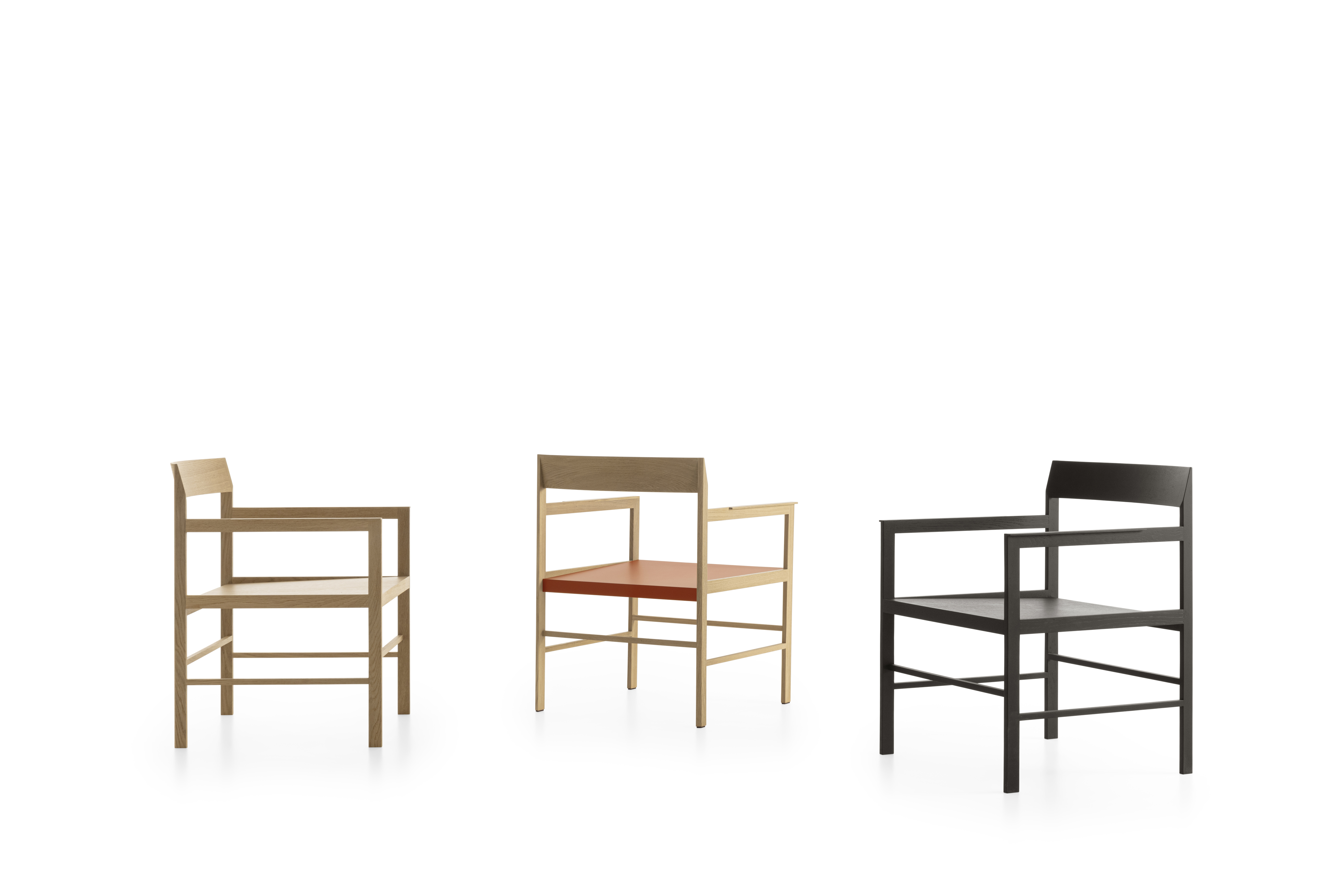
Meanwhile, B&B Italia's long-awaited return to Salone del Mobile reinforced this idea that contemporary design is best experienced rather than merely displayed. Conceived by Formafantasma, its booth eschewed traditional domestic settings in favour of a restrained architectural framework where light, proportion, and materials took precedence over decoration. Marble partitions, wood surfaces, and coconut fibre carpets created a calm, tactile environment that allowed the products to command attention.
New pieces by Ronan Bouroullec, Jasper Morrison, Antonio Citterio, Vincent Van Duysen, and Michael Anastassiades sat alongside the reissued Nena armchair by Richard Sapper and a limited edition of Luigi Caccia Dominioni's Catilina chair, demonstrating B&B Italia's ability to balance innovation with heritage.
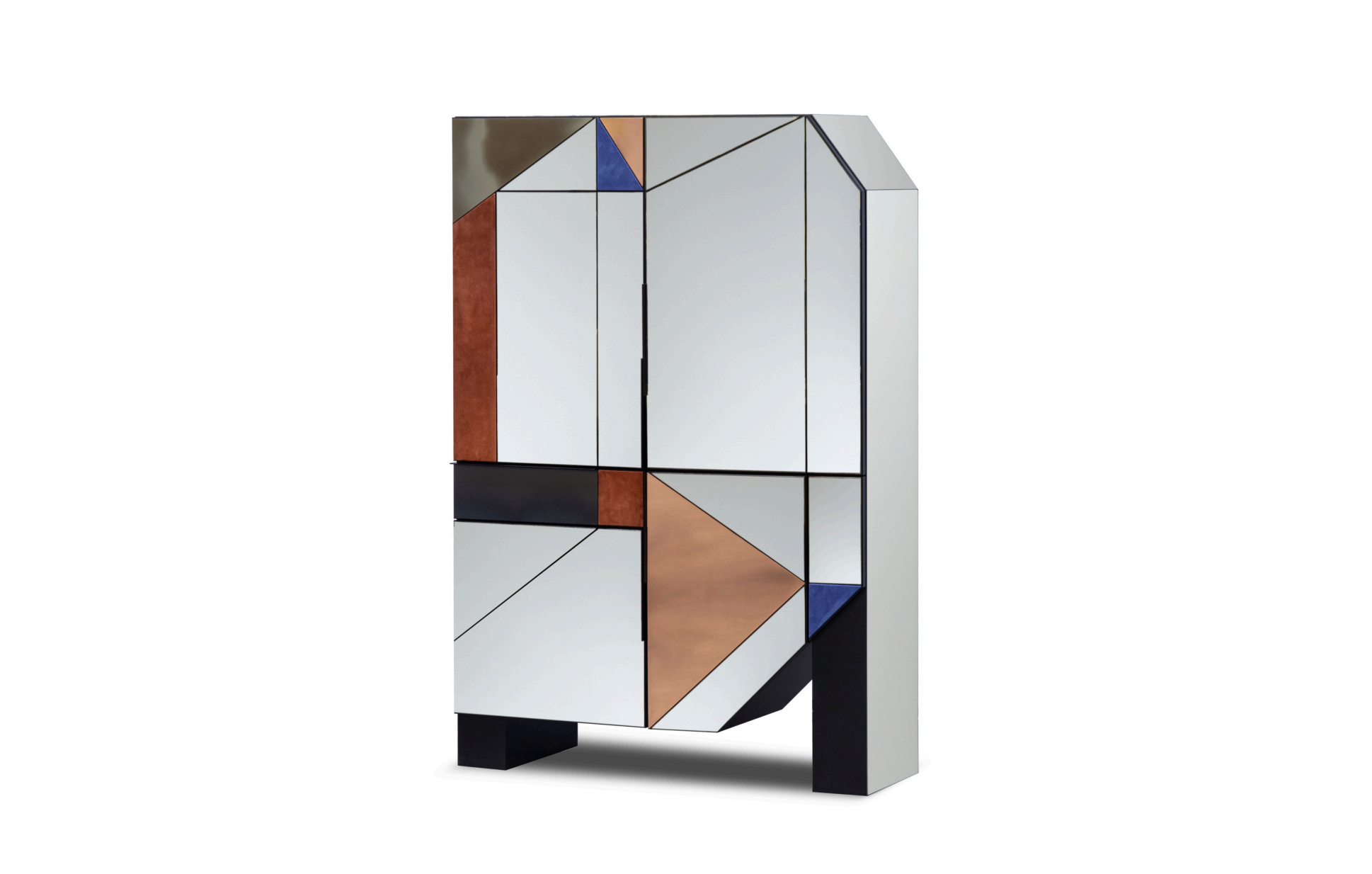
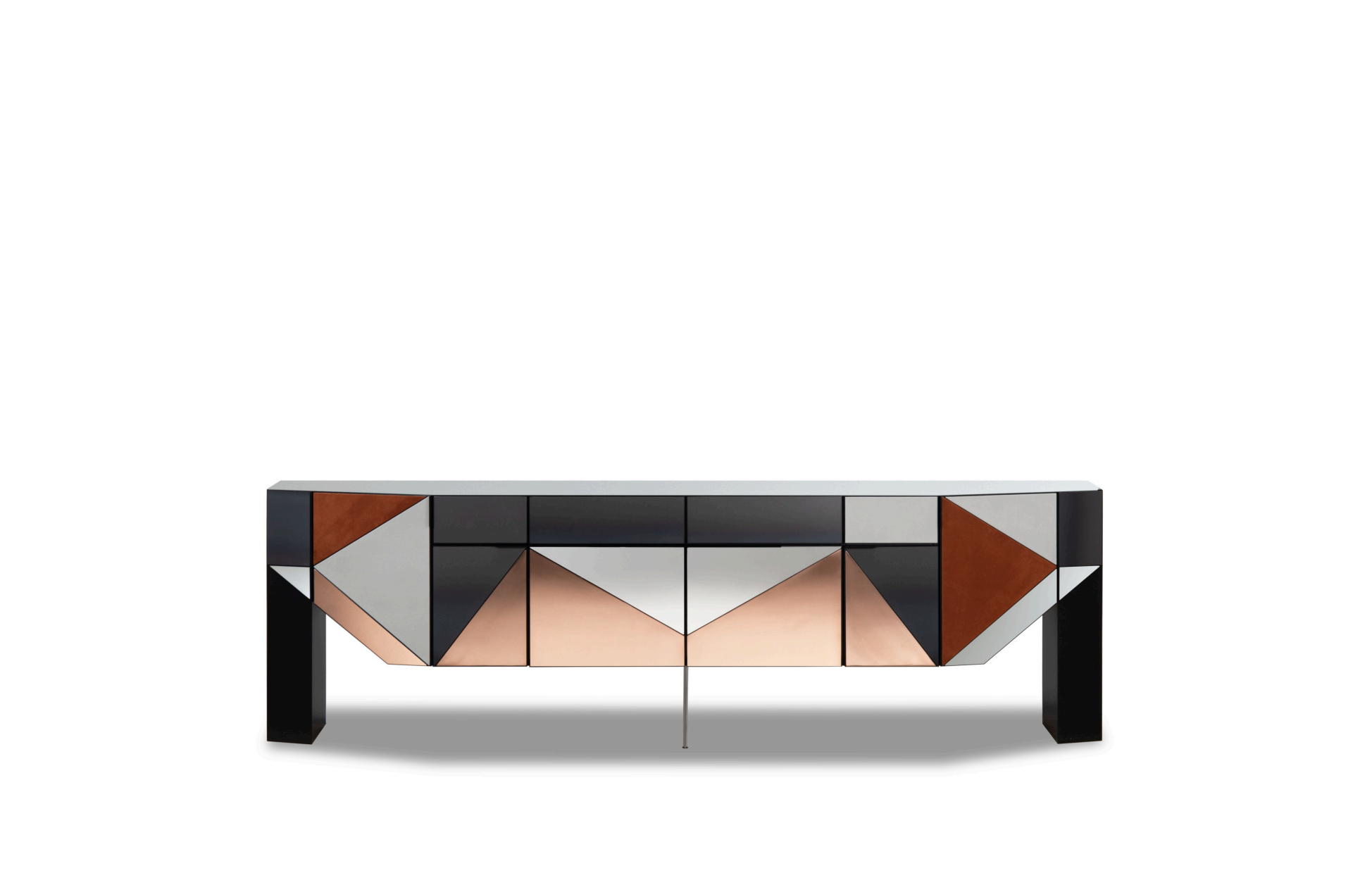
At Baxter, the newly conceived Baxter Cinema offered another interpretation of contemporary collectibility. Instead of dramatic statements, the Italian brand embraced material richness and emotional warmth. Layers of leather, stone, resin, and woven textures created interiors that felt tactile and inviting, while collaborations such as the Tile series by Draga & Aurel introduced a more artistic dimension. Somewhere between furniture and artwork, the pieces embodied a growing appreciation for objects that reveal themselves slowly over time.
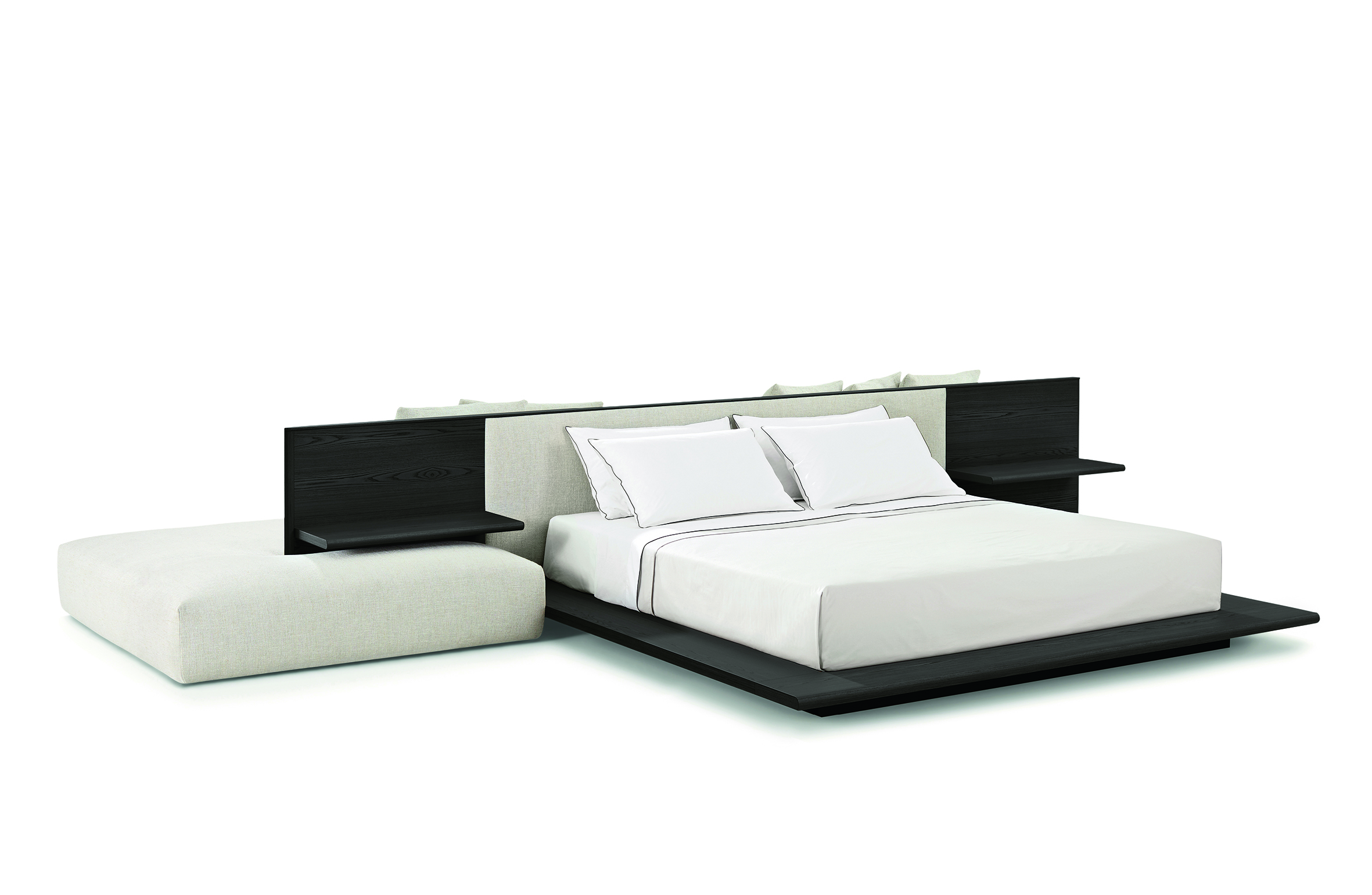
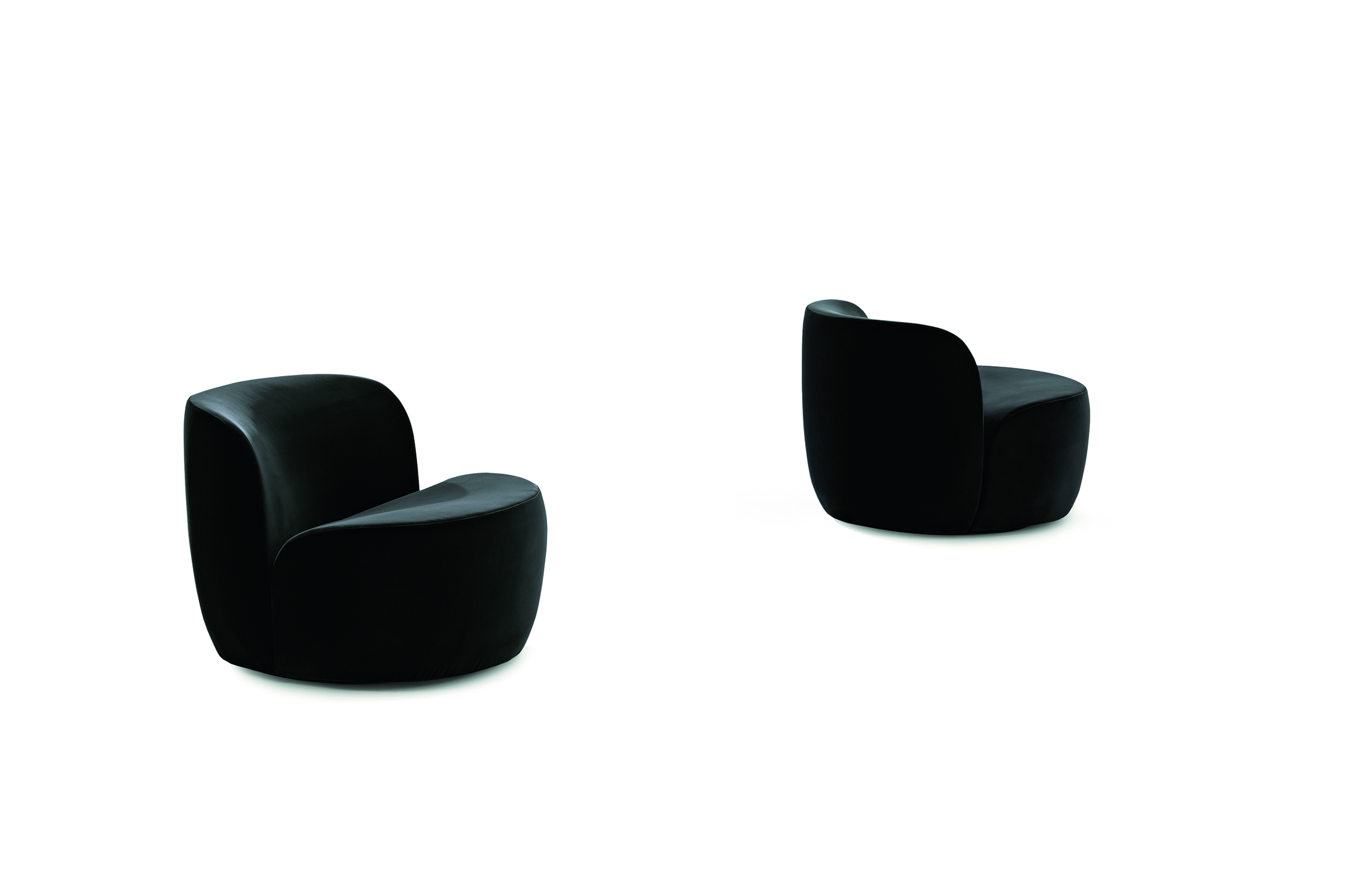
Poliform, too, explored this softer expression of luxury. Rounded forms, refined detailing and carefully layered materials defined the latest additions to its collections, from the enveloping Aqualuna armchair by Yabu Pushelberg to the Lanai family of tables and sideboards, whose sculptural profiles emerged through shifts in thickness and volume. Throughout, functionality was elevated by craftsmanship and thoughtful detailing, transforming the everyday into experiences of comfort and wellbeing.
However, the thread that ran through these presentations was a shared understanding that design today is increasingly about creating meaningful experiences rather than singular statements. Collectibility is no longer measured purely by rarity, but by the emotions an object evokes and the atmosphere it creates.



 Back
Back