XAVIER LEE
CEO, Jumpstart Commerce
What does "passion" and the "pursuit of excellence" mean to you, and how has your definition of it evolved throughout your career and personal journey?
When I started, I equated passion with intensity. I believed the answer to almost everything was to care harder and work longer than anyone else in the room. That version of passion built the company, but looking back it wasn't excellence. It was just effort, amplified.
What changed over 15 years is that passion stopped being about how hard I pushed and became about why the work deserved to exist at all. I found I cared less about being the best agency and more about raising the standard of the entire market I work in, and pulling the people building alongside me up with me. Excellence, to me now, isn't a personal peak you reach. It's a ceiling you lift for everyone around you.
Grand Seiko's pursuit of excellence is rooted in attention to detail, where even the smallest elements contribute to the whole. What are the details that you refuse to compromise on, and why are they important to achieving excellence?
What moves me about Grand Seiko is how quiet the mastery is. The detail is so subtle it doesn't announce itself. Instead it makes you ask questions. Why this particular pattern on the dial, what inspired these hues, what were they thinking when they chose this over everything else they could have chosen. Excellence at that level isn't decoration. Every element is a decision, and behind every decision is a reason.
That's the detail I refuse to compromise on in my own work: The why behind every choice. Nothing we put out should exist by habit, by template, or because it's simply how things have always been done. Every decision has to be able to answer for itself. Why this, why now, why for this particular merchant and their customers. The moment work becomes transactional, excellence quietly leaves the room.
Your industry typically requires a willingness to challenge convention and find better ways of doing things. How do you approach design and innovation in your own work, and how have they shaped your pursuit of excellence?
I'm wary of innovation for its own sake. In my industry there's constant pressure to chase whatever is newest, and most of it is motion mistaken for progress. The innovation I actually believe in is quieter and harder: Reading the pulse that most people ignore.
The moves I'm proudest of were into markets that looked premature to everyone else, where the data said the timing was right long before the consensus caught up. That's the convention I challenge most – the assumption that you wait for a market to become obvious before you move, or that our part of the world simply follows where others lead. I don't accept either. My work isn't to react to where commerce is today. It's to see where it's going, and take the community there first.
Grand Seiko's approach to watchmaking is guided by pillars such as precision, craftsmanship, aesthetics, refinement, and innovation. Which of these resonates most strongly with you, and why?
Craftsmanship. Precision and aesthetics are outcomes you can measure and admire. Craftsmanship is the character that produces them, again and again, whether or not anyone is watching. It's the least glamorous of the pillars, and to me the truest.
What draws me to it is that craftsmanship can't be rushed and can't be faked. You can buy speed and you can buy polish, but you cannot buy the accumulated judgment that comes from having cared about the same things a thousand times over. Craftsmanship is patience made visible.
Looking at your own pursuit of excellence, what is one lesson or principle that you believe applies to anyone who is committed to mastering their craft?
Mastery is not a destination you arrive at. It's a standard you choose to hold, again, every single day. Early in my career, I imagined there was a point where you'd "made it," where the striving would settle. There isn't. The people I admire most, in any field, are the ones who got better precisely because they never granted themselves that permission to coast.
So the principle I'd offer is this: Be patient with the timeline, but be impatient with your standards. Great things take longer than you want them to and no amount of urgency changes that, so the timeline deserves patience. But your standards are the one thing entirely within your control, and there's no reason to ever be patient with those. Fall in love with the standard, not the reward.




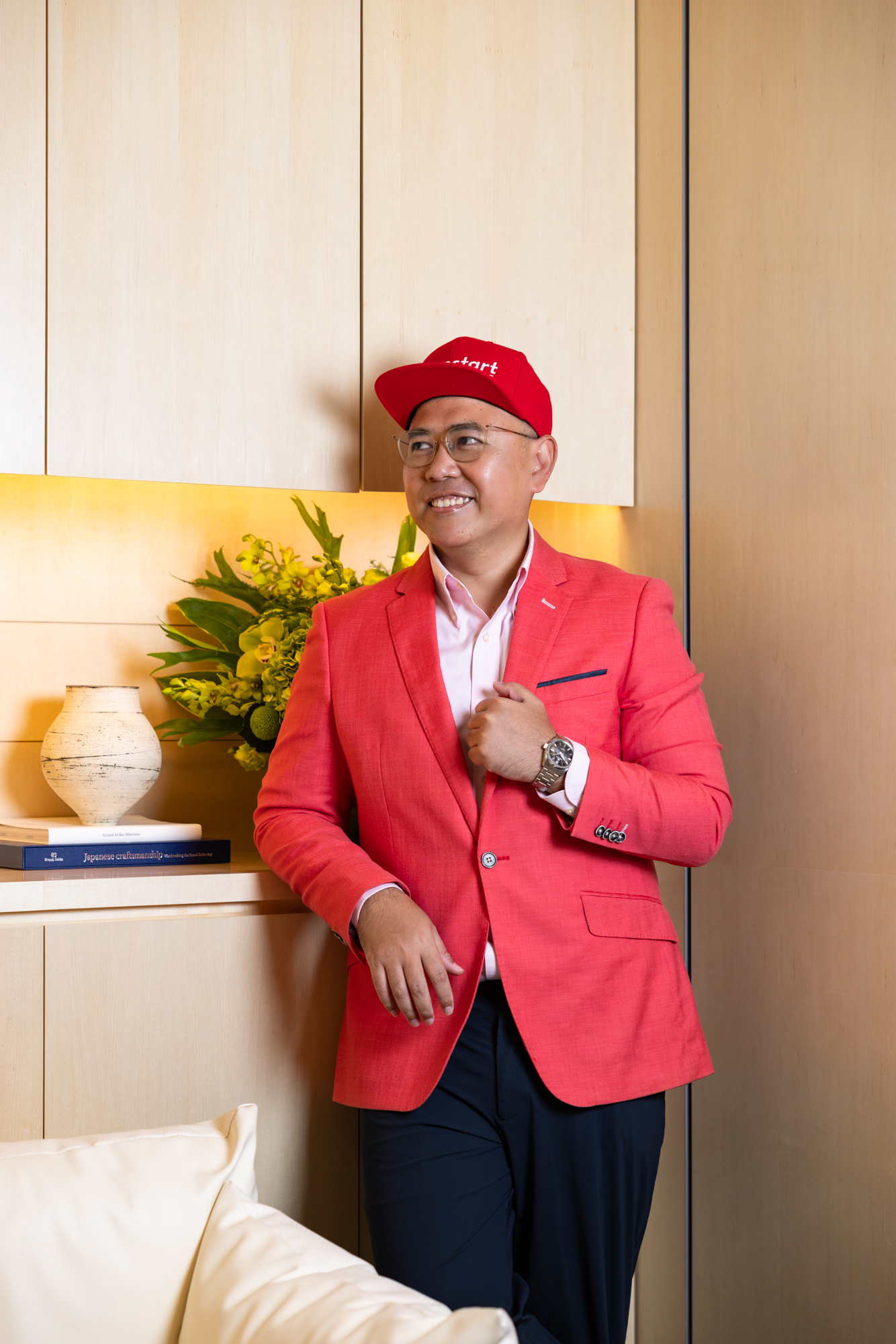

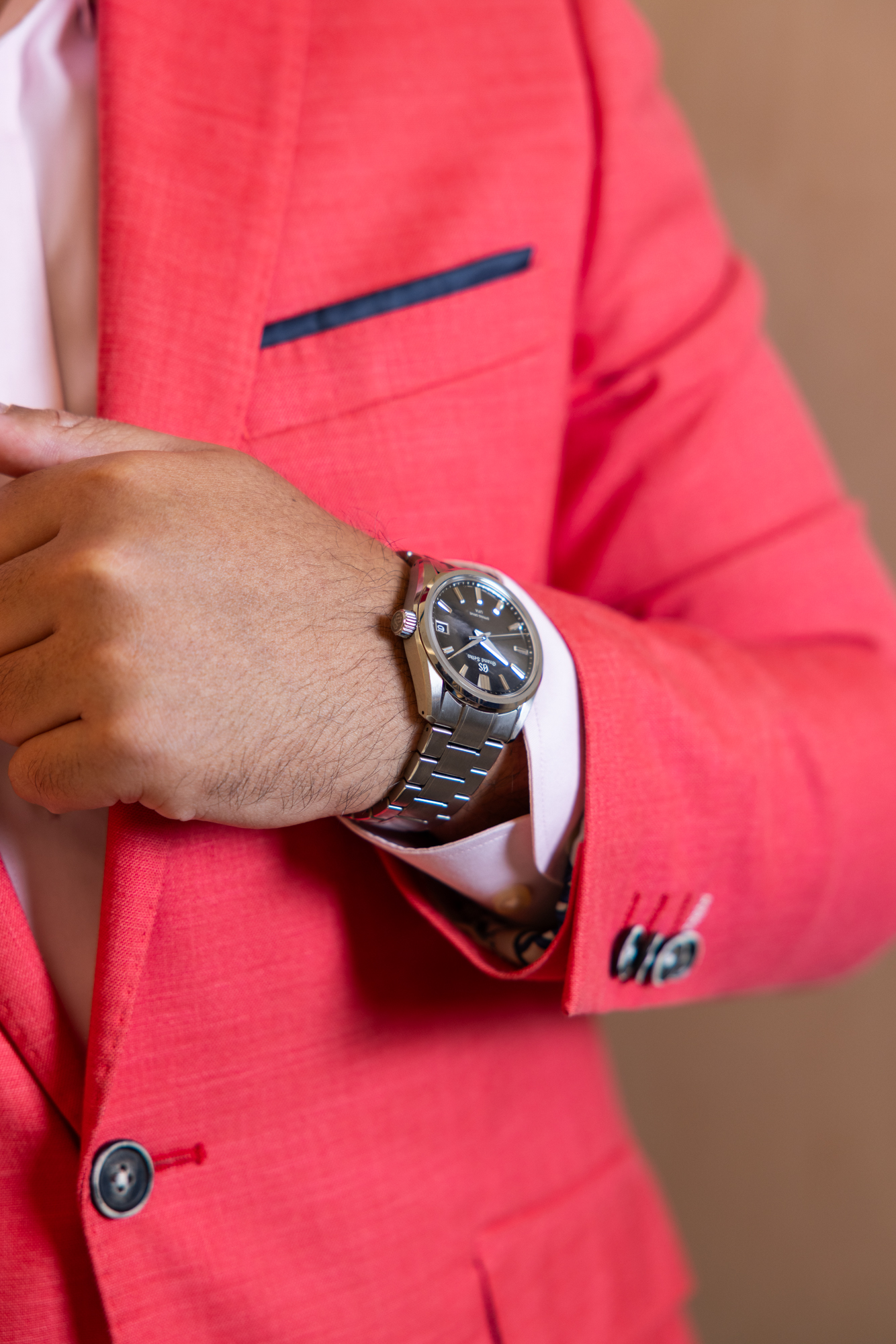 Xavier is wearing the SLGB007 (Lake Suwa Black, U.F.A)



 Back
Back