For years, much of the sustainability conversation in hospitality has happened behind the scenes. Hotels have invested in more efficient energy systems, reduced water consumption, improved waste management, and worked towards recognised sustainability certifications, often without guests ever seeing the changes taking place. But the next chapter could be considerably more visible – and may begin at the dining table.
The Global Sustainable Tourism Council's (GSTC) new Food and Beverage Standard brings food more firmly into that conversation, introducing measurable expectations around plant-based offerings while recognising the different realities of hotels, cuisines and markets.
For Marielle Lagulay, Sustainability Program Manager at Lever Foundation, which works with hospitality groups in the Philippines and Singapore, the shift is significant not simply because of what appears on a menu, but because food sits at the intersection of environmental impact, guest experience, procurement, and business resilience. As hotels look to make sustainability more tangible, she explains why the path forward may be less about telling guests what they cannot have and more about making better choices so appealing that they choose them themselves.
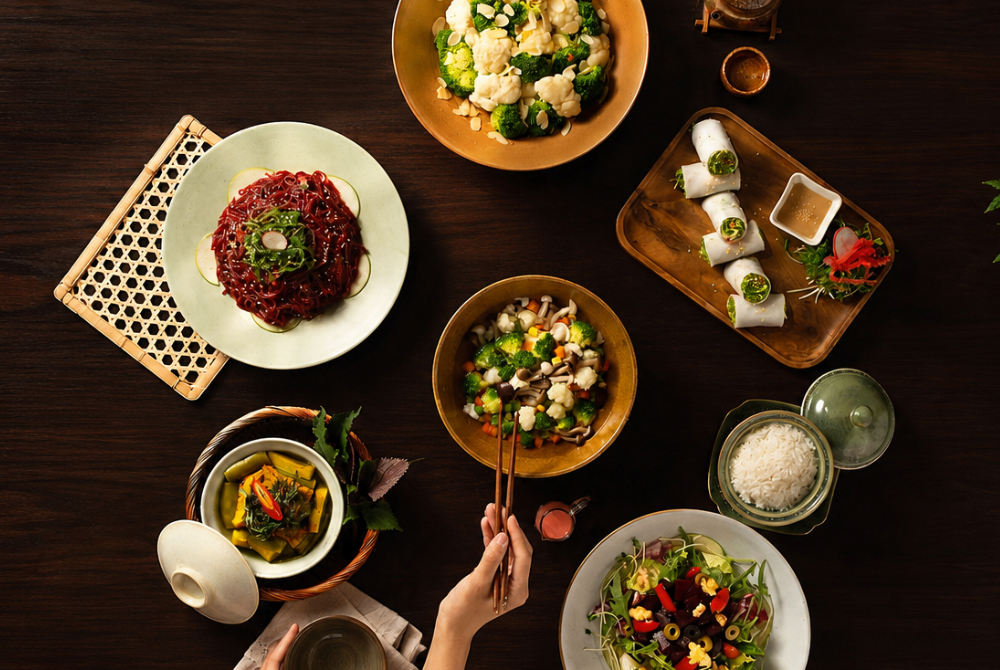
What does the introduction of a dedicated F&B standard signal about the next phase of sustainable hospitality?
It signals that sustainable hospitality has to become more well-rounded. For a long time, sustainability in hotels has understandably focused on operational areas. Those are all critical, but food and beverage is also a major part of both a hotel's environmental footprint and the actual guest experience.
A dedicated Food and Beverage Standard signals that sustainability is moving beyond what happens behind the scenes and becoming part of the overall hospitality experience itself. Food matters because guests interact with it directly, often several times during a stay. They may never see an energy-efficient cooling system or know how much water a property has saved, but they'll notice what's on offer at breakfast, what's on the restaurant menu, and how ingredients are sourced and presented.
The GSTC Food and Beverage Standard reflects that shift. The next phase of sustainable hospitality is about connecting operational sustainability with the guest experience, and food is one of the most tangible ways to do that.
The new GSTC Food and Beverage Standard introduces measurable requirements around plant-based menu offerings. What were the key considerations behind developing this benchmark, and why now?
One of the most important things about the new standard is that it moves the conversation from “businesses should offer more sustainable food” to something that can actually be measured.
For applicable à la carte and buffet-style operations, the standard sets a benchmark of at least 30% of core food offerings being plant-based or predominantly plant-based. That's meaningful because 30% is enough for plant-based food to become a real part of the menu, rather than one or two token options.
The flexibility built into the requirement matters too. Hotels operate across very different markets, cuisines, and formats, so the standard recognises that a straight percentage isn't always the right fit. In some concepts, alternative pathways, such as reducing reliance on animal protein through reformulation, portioning, or other approaches, may make more practical sense.
That tells me the goal isn't compliance for its own sake. It's about creating a measurable direction towards greater protein diversification and lower reliance on animal-based ingredients, while still accounting for operational realities.
As for why now, food has become harder to separate from the broader sustainability conversation. Hotels are already measuring emissions, looking at responsible procurement, cutting waste, and building more resilient supply chains. Food touches all of that. We're also seeing hospitality businesses move in this direction voluntarily, so the standard is really giving structure to a transition that's already underway.
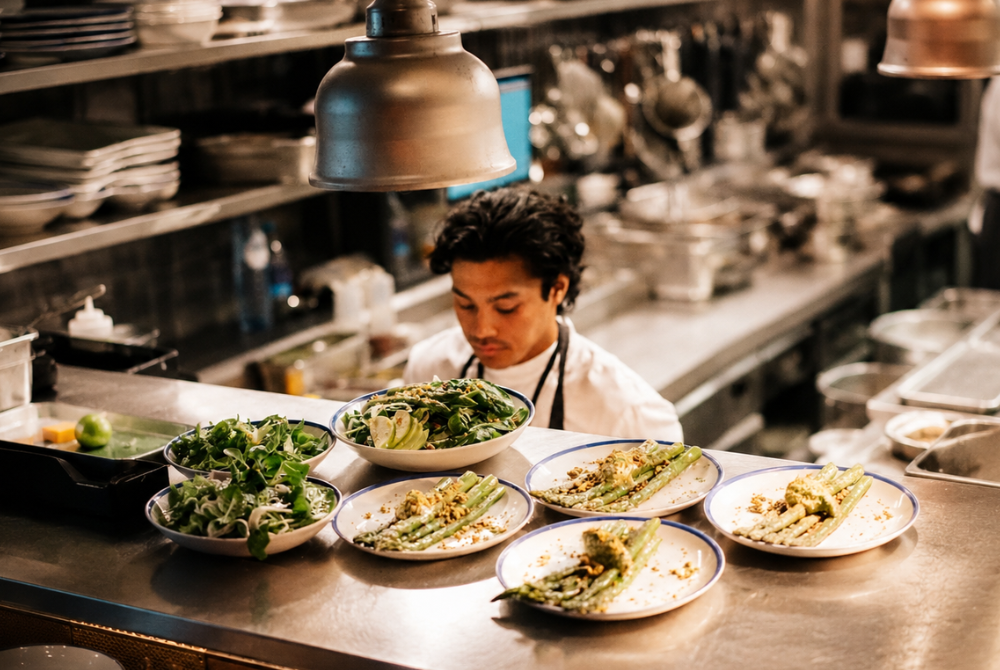
How can a more plant-forward approach contribute not only to environmental outcomes, but also to operational efficiency and long-term business resilience?
This is one of the most important parts of the conversation because sustainability can't operate separately from commercial reality.
A plant-forward approach doesn't have to mean leaning on expensive plant-based meat alternatives. There's a lot of opportunity in familiar, often cost-efficient ingredients like tofu, mushrooms, legumes, vegetables, and grains, used strategically.
We've seen particularly strong opportunities in breakfast buffets, live stations, noodle dishes, congee, grain bowls, and other customisable formats. These give hotels a relatively low-cost base while still delivering variety and a strong dining experience.
There's an operational resilience angle too. When a business diversifies its protein mix, it becomes less dependent on a narrow set of animal-protein categories and suppliers. This gives procurement and culinary teams more room to manoeuvre around price volatility, supply interruptions or shifting consumer preferences.
It can also cut waste. Instead of simply adding dishes to a buffet, hotels can look at menu engineering, batch preparation, and versatile ingredients that work across multiple dishes.
(Related: A conscious approach to the table)
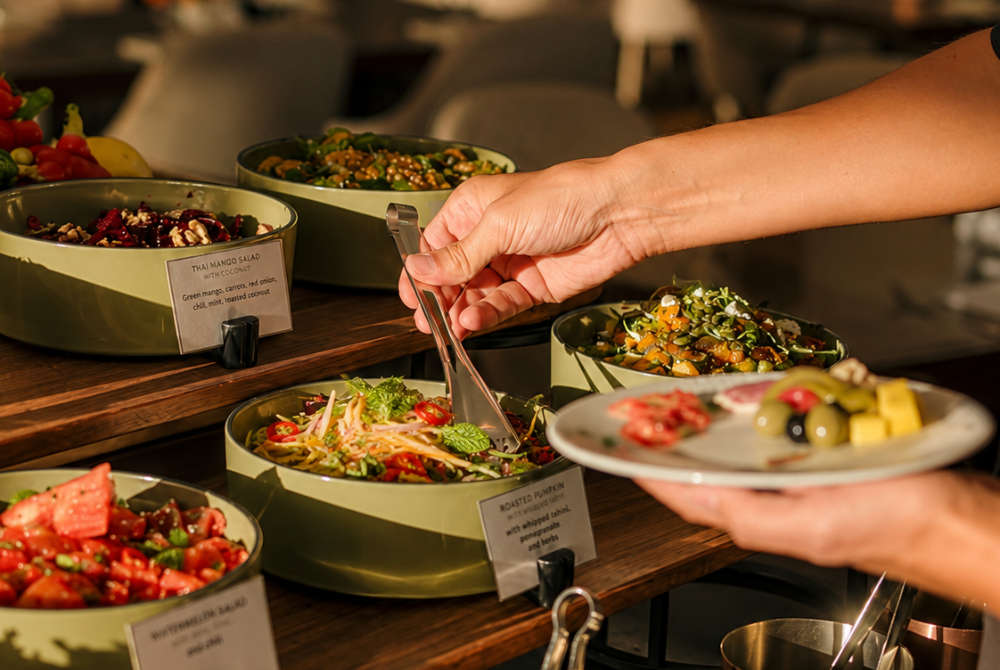
Singapore has made significant progress in sustainable tourism through initiatives such as the Singapore Hotel Sustainability Roadmap. How does this new standard complement the broader direction the hospitality industry is already moving towards?
Singapore is well positioned for this because there's already a strong foundation for sustainability across the hospitality sector.
The Singapore Hotel Sustainability Roadmap was built to make sustainability a core value across the hotel ecosystem, strengthen business resilience and competitiveness, and push the industry towards internationally recognised standards. The progress has been real. By 2026, more than 73% of Singapore's hotel room stock had achieved internationally recognised sustainability certification, ahead of the roadmap's original target of 60% by the end of 2025.
So the conversation in Singapore isn't really about whether sustainability belongs in hospitality anymore. That's already settled. What the Food and Beverage Standard does is deepen that work by zeroing in on one specific part of the hotel ecosystem.
Singapore's sustainability initiatives have already put real weight behind energy, water, waste, carbon management, certification, and sustainable guest experiences. Food and beverage is a natural next step – a way to translate those broader ambitions into something measurable and guest-facing.
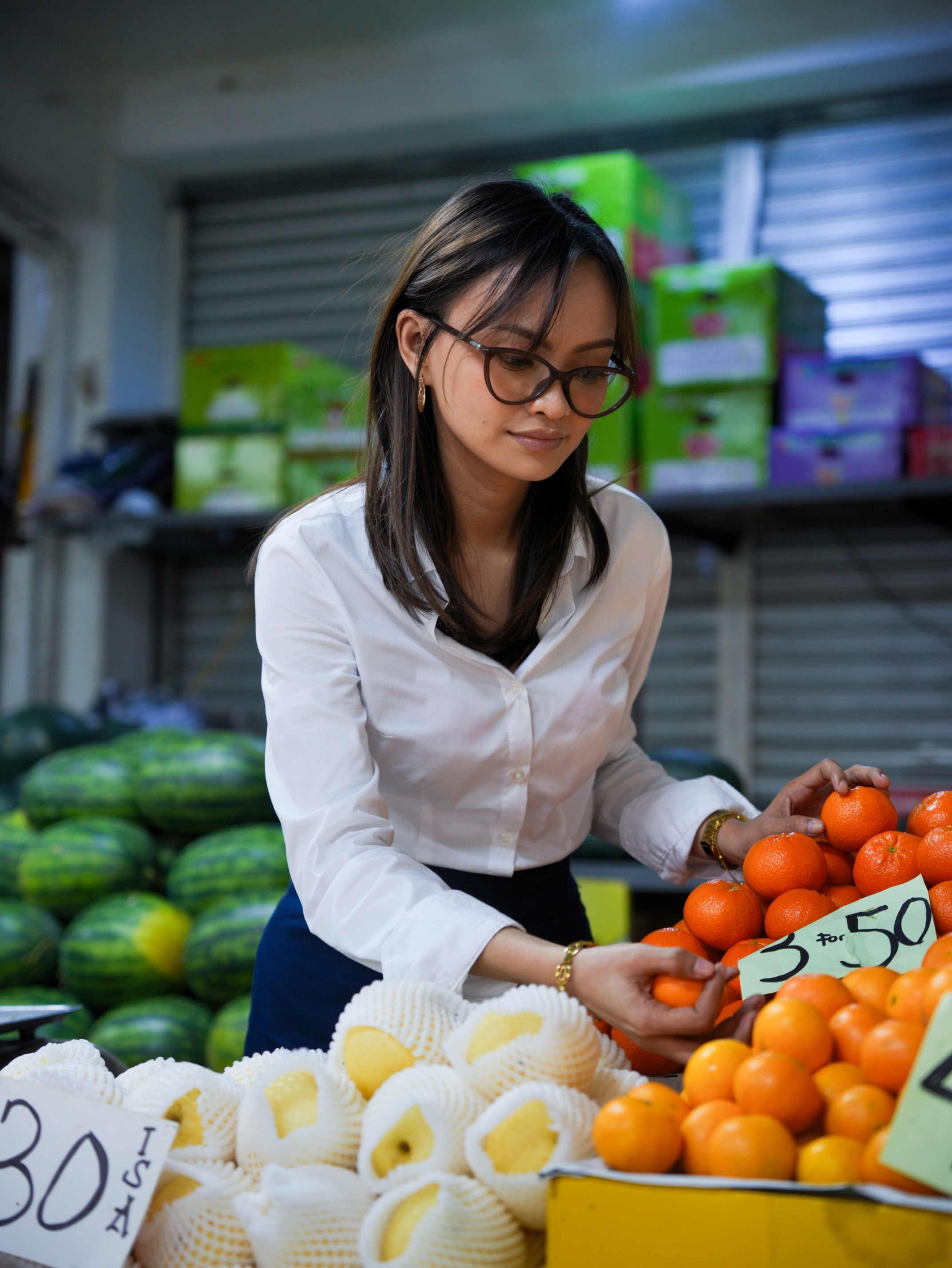
"The businesses that will be best prepared are the ones already asking themselves: What would a 30% plant-based menu actually look like in our kitchens, with our suppliers, in our markets, not just whether we agree with the direction in principle?" – Marielle Lagulay
Implementing sustainability standards across different markets inevitably comes with varying levels of readiness and consumer expectations. What challenges do you anticipate hotels will face in adopting this new requirement, and how can they navigate them?
Probably the biggest challenge is avoiding a one-size-fits-all approach. Hotels operate across very different markets, customer profiles, cuisines, supply chains, and price points. Even within the same group, two properties can have completely different starting points. One restaurant might already have a relatively high share of plant-based dishes simply because of the cuisine it serves, while another may be much more centred on animal protein.
There are also very practical concerns around customer acceptance, taste, procurement, and kitchen operations. One question we hear a lot from culinary teams is whether changing ingredients to make an existing dish plant-based will compromise the taste or quality of something guests already love. That's a fair concern.
The answer isn't to reformulate dishes just to hit a percentage. It's better to understand the current baseline first, then find the easiest, most natural opportunities. Sometimes that means creating a new dish. Sometimes it's a minor ingredient tweak. Sometimes it's simply recognising dishes that are already plant-based, but haven't been categorised that way.
How do you see sustainability standards evolving and what should hospitality businesses be preparing for as environmental and consumer expectations continue to rise?
Sustainability standards will keep moving from broad commitments towards more specific, measurable expectations. We've already seen that shift across carbon emissions, waste, and certification.
For hospitality companies, the best preparation isn't trying to predict every new standard that might come. It's setting clear internal targets now and understanding what implementation looks like on the ground. That means understanding current baselines, mapping out a realistic timeline for closing the gap, improving data collection, bringing procurement and culinary teams in earlier, strengthening supplier relationships, and folding sustainability into normal commercial and operational decisions rather than treating it as a separate ESG exercise.
The businesses that will be best prepared are the ones already asking themselves: What would a 30% plant-based menu actually look like in our kitchens, with our suppliers, in our markets, not just whether we agree with the direction in principle?
If there's one thing hospitality businesses should be preparing for, it's this: Sustainability is becoming less of a separate initiative and much more a part of what good hospitality is simply expected to look like.








 Back
Back