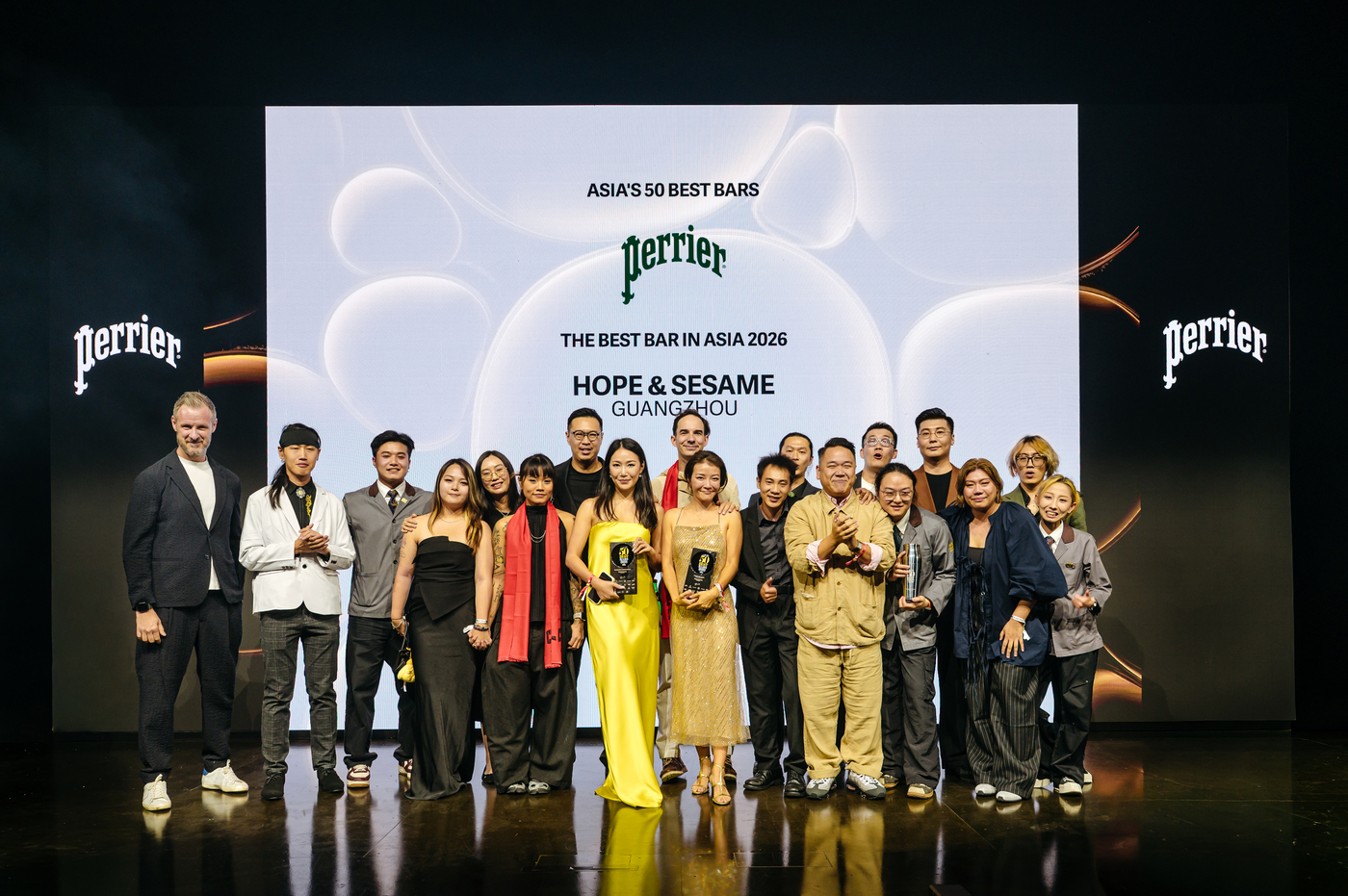
“Why not earlier?” Andrew Ho asked from the stage in Macau when Hope & Sesame, a Cantonese cha chaan teng-inspired speakeasy in the historic neighbourhood of Dongshankou, was named the best bar in Asia – the first from mainland China to take the top spot. It was not quite complaint, not quite victory lap, but more the sound of a city that had been biding its time. The best bar in Asia exists, paradoxically, because Guangzhou was kind enough not to demand that it become one overnight. “Guangzhou gave us room to grow,” Ho says. Room to open with savings, room to make mistakes, room to build slowly in a city large enough to reward the weird, the local, and the stubbornly self-made.
The answer begins with two hoteliers and a city willing to be patient. Ho, from Hong Kong, and Bastien Ciocca, from Switzerland, met at hospitality school and reunited by chance in Guangzhou. They arrived with hotel pedigrees, but zero bar-ownership experience, and opened what was Southern China’s first speakeasy bar in March 2016.
“In Shanghai, if you’re not successful in three months, you’re done,” Ho reveals. Guangzhou gave them room to learn behind the stick, and, as Ciocca puts it, “carte blanche” in a city of more than 20 million. “You can create something that you believe in, and you will find people.” Tommy Wong arrived later through the spirits distribution side – “a close friend, close ally,” in Ho’s words – and is now deeply involved in the brand.
The romance of “room to grow” met its ugliest test during COVID, which both founders identify as the group’s greatest challenge. Bars were not essential, but payroll very much was. With no investor rescue waiting in the wings, some months came down to whatever was left in the bank. “You don’t have a sugar daddy to come in and save the day,” Ciocca adds. With three days’ warning before closures, Hope & Sesame kept every staff member on full pay and built a canned cocktail operation from scratch: Recipes, design, licensing, delivery platforms, and even a small factory.
That scramble left behind more than canned cocktails. It proved the group could move fast without becoming sloppy – a useful trait in a country Ciocca describes as fast-moving, where becoming too heavy means missing opportunities. The Hope & Sesame Group now counts more than 100 staff across five bars in Guangzhou and Shenzhen, plus a consultancy, but Ho insists the growth has been conservative. “Ten years is not that fast,” he notes on building sustainable business systems. “We were very conservative, only using our profit to open new venues.”
Which is why Hope & Sesame’s win lands as more than one bar’s coronation. Seven mainland Chinese bars made the 2026 top 50 – including new entries from Chengdu, Shanghai, and Beijing – and both men see it not as a flash in a pan, but as overdue visibility.
“This is just the beginning,” Ho says. “You look at China – 1.4 billion people. So many different cities.” Ciocca is blunter: “For guests who have never been to mainland China, it would be quite a shock to see the amount of bars in every city.” Hope & Sesame has appeared on the Asia list for eight consecutive years since 2019 – for several of them, as Ho notes, the only mainland bar on it – and has been named the best bar in mainland China for four years running. “There could have been more attention earlier on,” he concedes. “But everything led up to this moment.”
(Related: Michelin Guide Singapore 2026)
This year, the group unveiled Off Menu, a second-floor space above the original bar that takes a purer, more restrained approach to cocktails – and, per the founders, will evolve into a concept blending local culture with lifestyle aesthetics. That evolution is already pushing beyond the glass. Ciocca is careful not to give too much away, but hints at a forthcoming project that translates the bar’s creative language into clothing: Spirit into fabric, glassware into cut, flavour into colour. “A lot of fashion brands are doing F&B,” he says. “We’re coming from F&B to do fashion.”
The expansion of its Cantonese imagination is a sign that Hope & Sesame is beginning to think less like a single room and more like a cultural house. Ho’s own horizon is longer still: 50 years, 60 years, perhaps 100 – the kind of longevity that in China earns a certificate. “We’re still a young bar,” he says. The ambition is not to be the best bar in Asia for a year. It is to matter for a century.
For now, that long view passed through Macau. Wynn Palace hosted Asia’s 50 Best Bars for the second consecutive year, turning six days of official gatherings, bar takeovers, collaborative dinners, and late-night celebrations into a temporary capital of Asian cocktail culture. More than 1,000 guests came through the Grand Theatre for the ceremony; Ho, understandably, will remember the city kindly.
“The hospitality is second to none,” he says. Macau gave them the stage. Guangzhou stepped up to the podium. Now Asia has to make space.




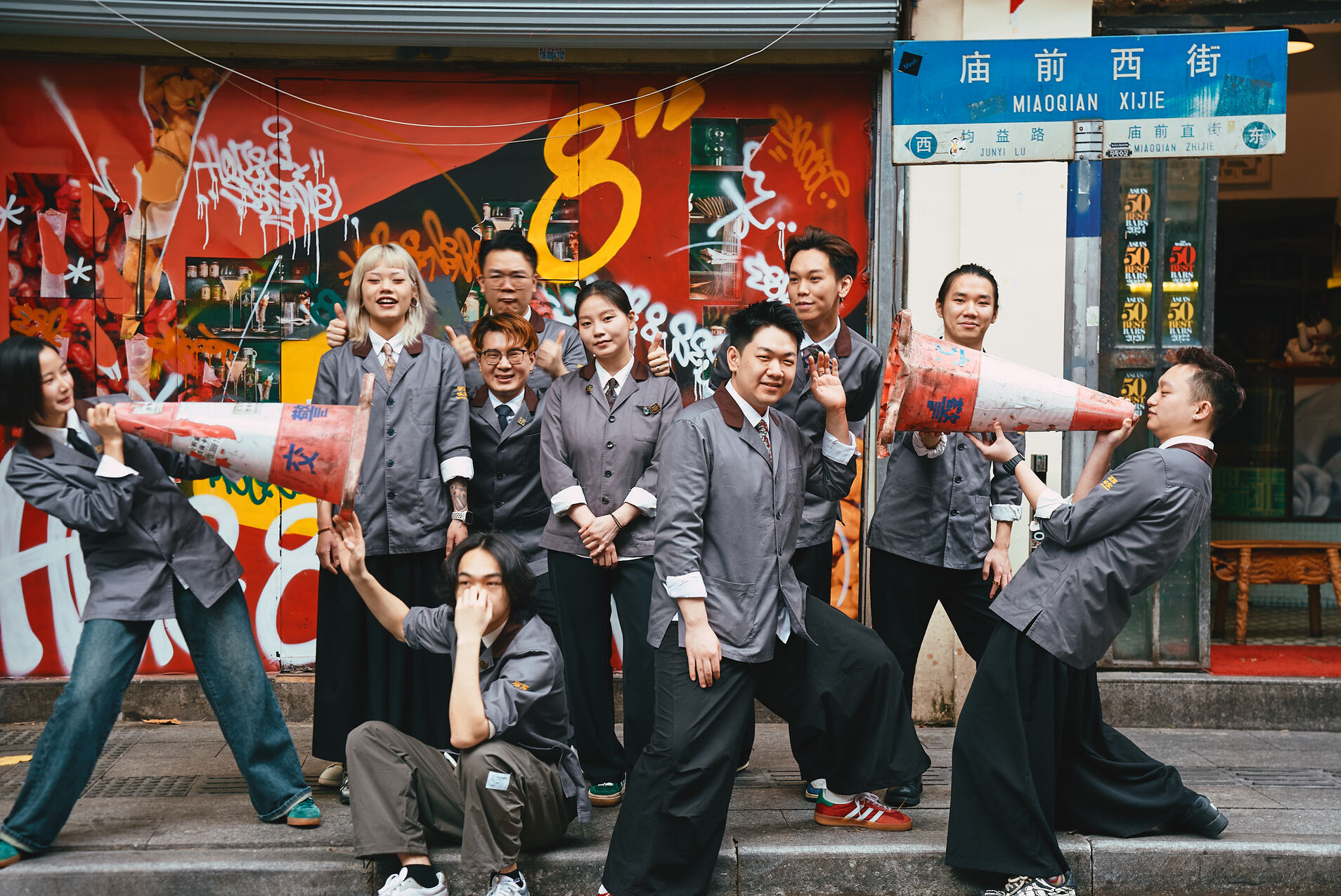 Hope & Sesame bar team (Photo courtesy of Hope & Sesame)
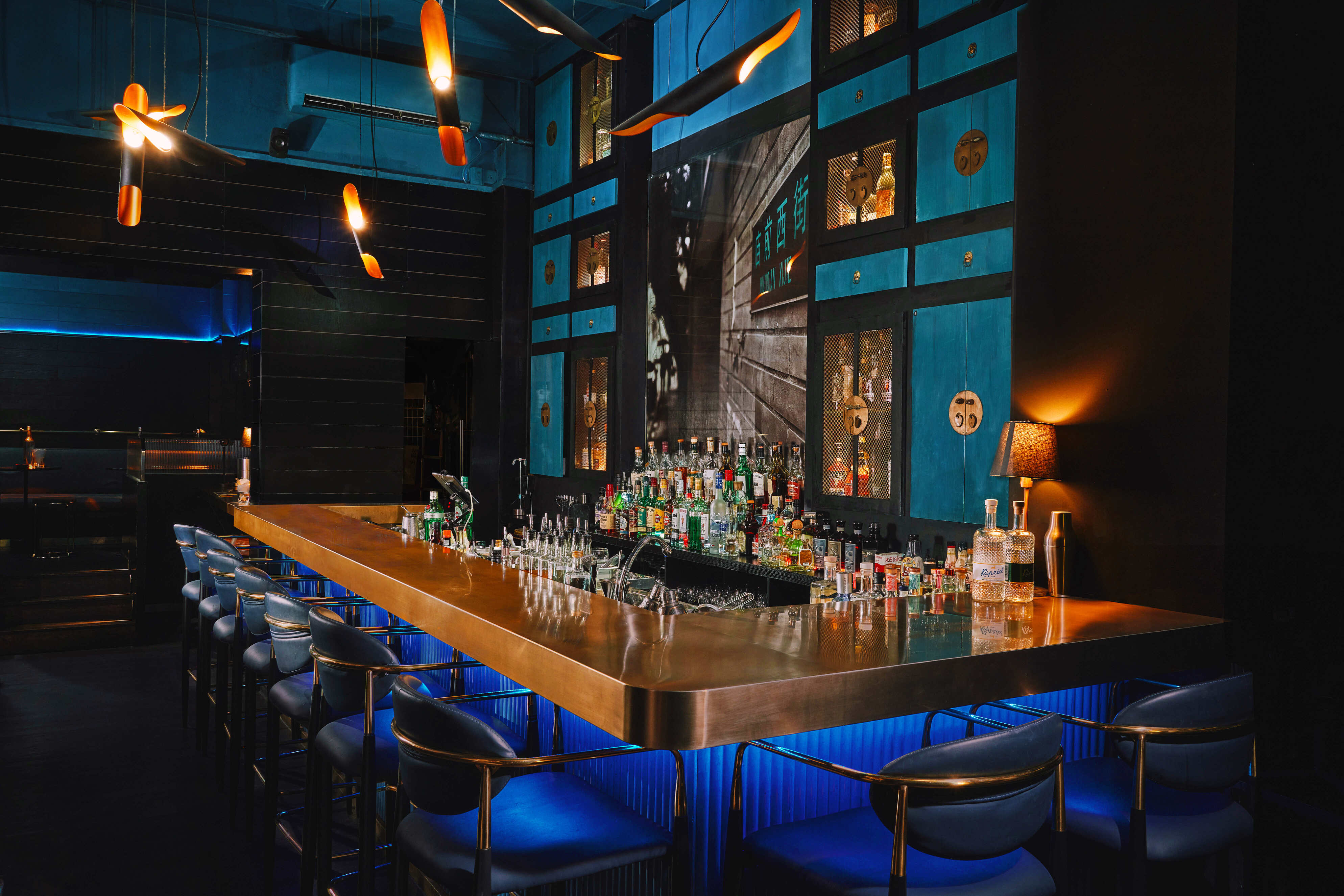 Hope & Sesame's main bar (Photo courtesy of Hope & Sesame)
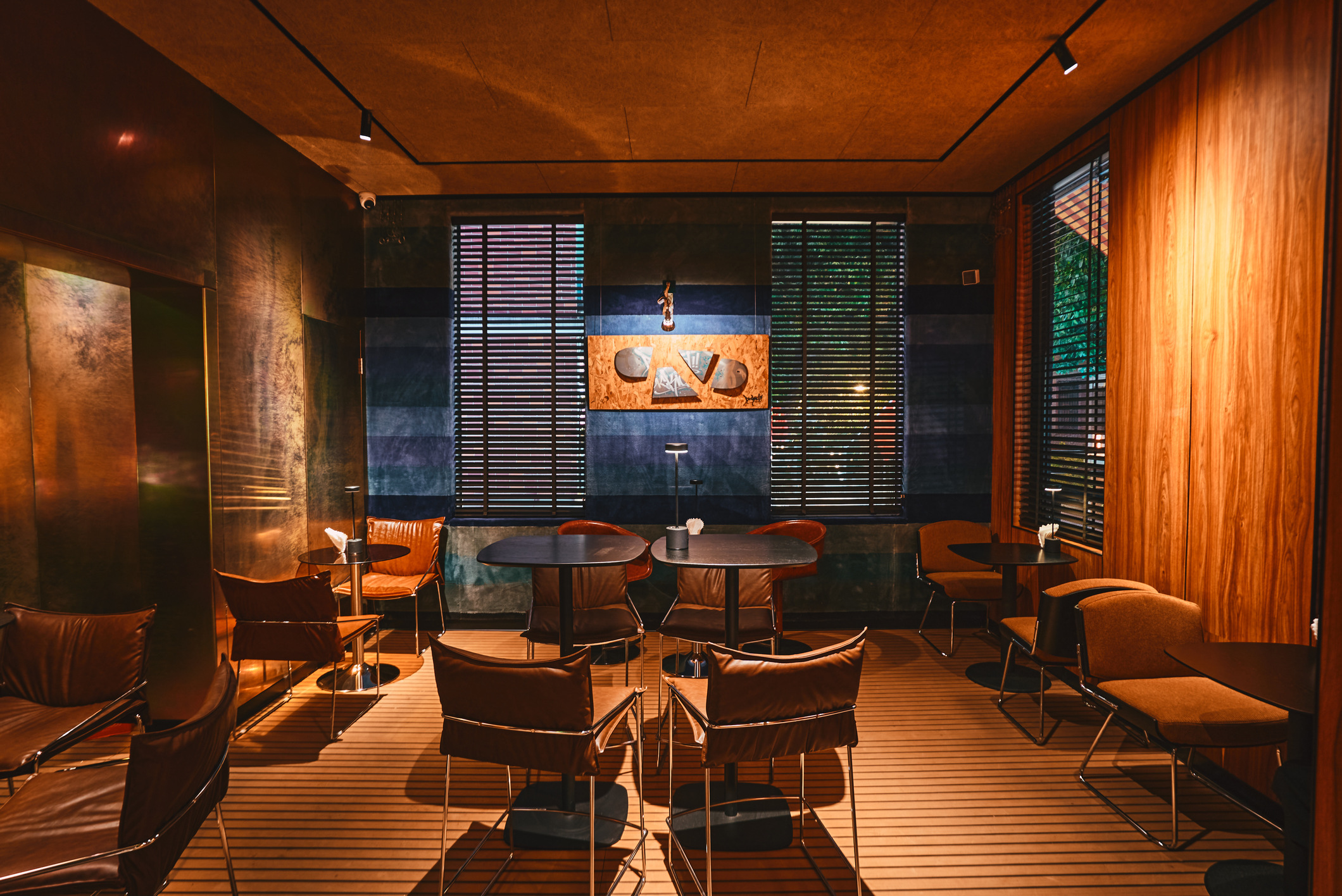 Off Menu (Photo courtesy of Hope & Sesame)
.jpg) Wynn Palace façade
Wynn Palace façade



 Back
Back