

WELLNESS

A Healthier Smile Starts With Prevention

Special feature by Dr Leroy McCully
23 Feb 2026

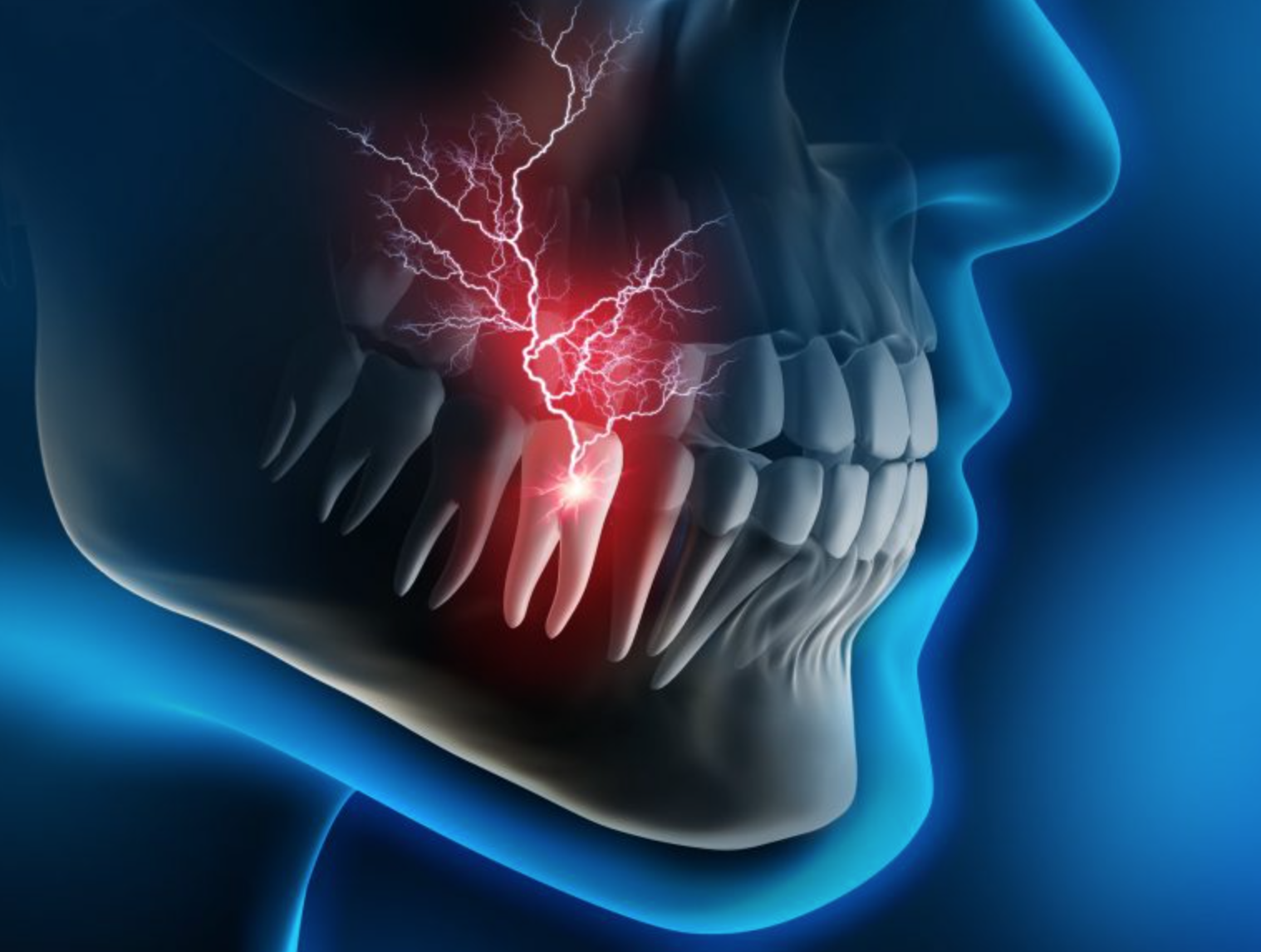
Tooth pain often begins quietly before developing into a bigger problem. Regular dental check-ups, professional cleaning and early detection play a crucial role in keeping your teeth healthy and preventing cavities before they become serious.

Imagine this: After a long day’s work, you finally reach home, kick off your shoes and settle into your favourite armchair. You reach for a cold drink, ready to enjoy its refreshing taste, when a sudden sharp pain shoots through your tooth. That familiar discomfort you have been ignoring for weeks is back again, reminding you that it may be time to visit your dentist.

Tooth pain is often a sign that something beneath the surface needs attention. While it may be tempting to wait until discomfort becomes unbearable, prevention is always better than dealing with a serious dental problem later. Regular dental visits allow issues to be detected early, often before pain even begins.

During a routine appointment, your dentist will first ask if you have experienced any discomfort, sensitivity, or changes since your last visit. It is helpful to take note of anything unusual so nothing is overlooked. A thorough examination of your teeth then follows, allowing your dentist to assess how well you have been cleaning, identify missed areas, and spot cavities or defective fillings that may require treatment.

Dental X-rays are also an important part of preventive care. They remain one of the most effective ways to detect cavities that cannot be seen with the naked eye. Today’s digital X-rays use very small amounts of radiation. In fact, the radiation exposure from a flight between Asia and Europe is roughly equivalent to about 30 dental X-rays, making them a safe and valuable diagnostic tool.

Professional teeth cleaning is another key component of every visit. No matter how carefully you brush, microscopic deposits can still build up around your teeth over time. A dental cleaning removes these deposits, leaving your teeth smooth, clean, and healthier.

 

Many people wonder how often they should see a dentist. Studies have shown that it takes approximately 18 months for a cavity to form. By visiting your dentist every six months, you create multiple opportunities each year to catch problems early and address them before they become serious or painful.

It is also important to recognise early warning signs of dental issues. Sensitivity to cold drinks or sweet foods, as well as pain when biting, may indicate the presence of a cavity. More advanced symptoms can include throbbing headaches, difficulty sleeping due to pain, fever, or gum swelling, all of which require prompt dental attention.

With regular check-ups, professional care, and early intervention, maintaining a healthy smile can be both simple and comfortable. Prevention truly is the foundation of long-term dental health.


For more information, click here