We often think of medicine as something dispensed in a pillbox or delivered through a prescription, but what if some of the most powerful interventions sit on our plates, in the choices we make every single day?
I learned this lesson by way of music. Music was my first love and I pursued it believing it was how I could touch lives. And in many ways, it does. Music moves people. But food sustains people. Unlike music, which can inspire or entertain, food quite literally dictates the narrative of our health. That was my moment of clarity.
Nothing has a greater potential to shape someone’s life than what they eat. Food can increase longevity, sustain vitality, and directly shape how we feel, how we function, and how we connect with others. It is both the most ordinary and the most powerful tool we have, a daily intervention that can either harm or heal.
The idea of “food as medicine” is not new. Hippocrates spoke of it centuries ago. But today, science gives us language to explain what tradition always knew. Nutrition guides both physical and cognitive health. Think of food as fuel. Just as the wrong fuel can damage a car engine over time, poor nutrition can gradually disrupt how we think, move, and feel, setting off a cascade of issues that may ultimately lead to chronic illness.
The evidence is compelling. CNN Health reported on a study showing the Mediterranean diet’s role in preventing and even managing type 2 diabetes, showing how adherence to the diet reduced the risk of developing the condition while supporting better glucose control in patients already diagnosed. A large-scale analysis on JAMA Network Open published by the American Medical Association found that the diet was associated with a significant reduction in cardiovascular risk and improved longevity.
Another study published in the European Journal of Clinical Nutrition noted better outcomes and improved quality of life for adults with cancer who adopted Mediterranean-style eating patterns. And a review published by European Association for Predictive, Preventive and Personalised Medicine (EPMA) highlighted extra virgin olive oil, the diet’s cornerstone, for its high polyphenol content and links to reduced inflammation, improved heart health and neuroprotection.
These findings show that daily food choices are among the most powerful tools we have to protect long-term health. At VIOS, the concept I founded in 2017, these principles guide every decision in the kitchen. Bowls are built on whole grains, quality proteins, vegetables, herbs and house-made dips – all anchored by my family’s olive oil from 600-year-old groves in Greece. It’s a way to make the science of food as medicine not only accessible but also enjoyable for busy professionals who want to eat well without compromise.
What convinces me most, however, are the stories. A traditional Chinese physician once told me he had begun recommending our olive oil to patients with diabetes, high cholesterol, and blood inflammation, because he found it supported better outcomes alongside treatment. A marathon runner shared how, after eating VIOS meals twice a day, five days a week, his recovery and race times improved dramatically.
I’ve experienced this truth myself. During the construction of VIOS, I fell into the habit of eating hawker food almost every day for convenience. My health plummeted. A blood test confirmed my mineral and vitamin levels were the lowest they had ever been. I felt it too – unstable moods, disrupted sleep, and poor energy. It was a stark reminder that food is never neutral. Every bite either builds resilience or chips away at it, and the effects are not only immediate but cumulative.
Today, my own routine is simple and consistent. I start the morning with water and a breakfast of eggs, vegetables, a dip, and carob rusks with olives – a combination that grounds me and sets the tone for the day. Lunch is almost always a VIOS bowl, which ensures I am getting the breadth of nutrients from vegetables, quality proteins, seeds, nuts, herbs, spices and, of course, olive oil. Dinner, if I have it, is light – often soup. I rarely snack between meals because I have learned that balanced eating throughout the day is the surest way to stabilise blood sugar and keep both mood and energy steady.
What I have also learned, and often share as a certified nutritionist, is that these small, intentional habits matter far more than chasing diets or trends. Begin your meals with fat, fibre, and protein, and don’t eat carbohydrates plain. Dress them with good fats or pair them with protein to keep blood sugar stable. Replace refined seed oils with a high-quality extra virgin olive oil; it’s one of the simplest yet most powerful changes anyone can make. And above all, choose real food.
Food will never replace medicine, but it can prevent disease, sustain vitality, and support healing in ways no prescription can. Perhaps that is its greatest power: To remind us that well-being doesn’t always begin in the doctor’s office, but in the daily choices we make at the table.




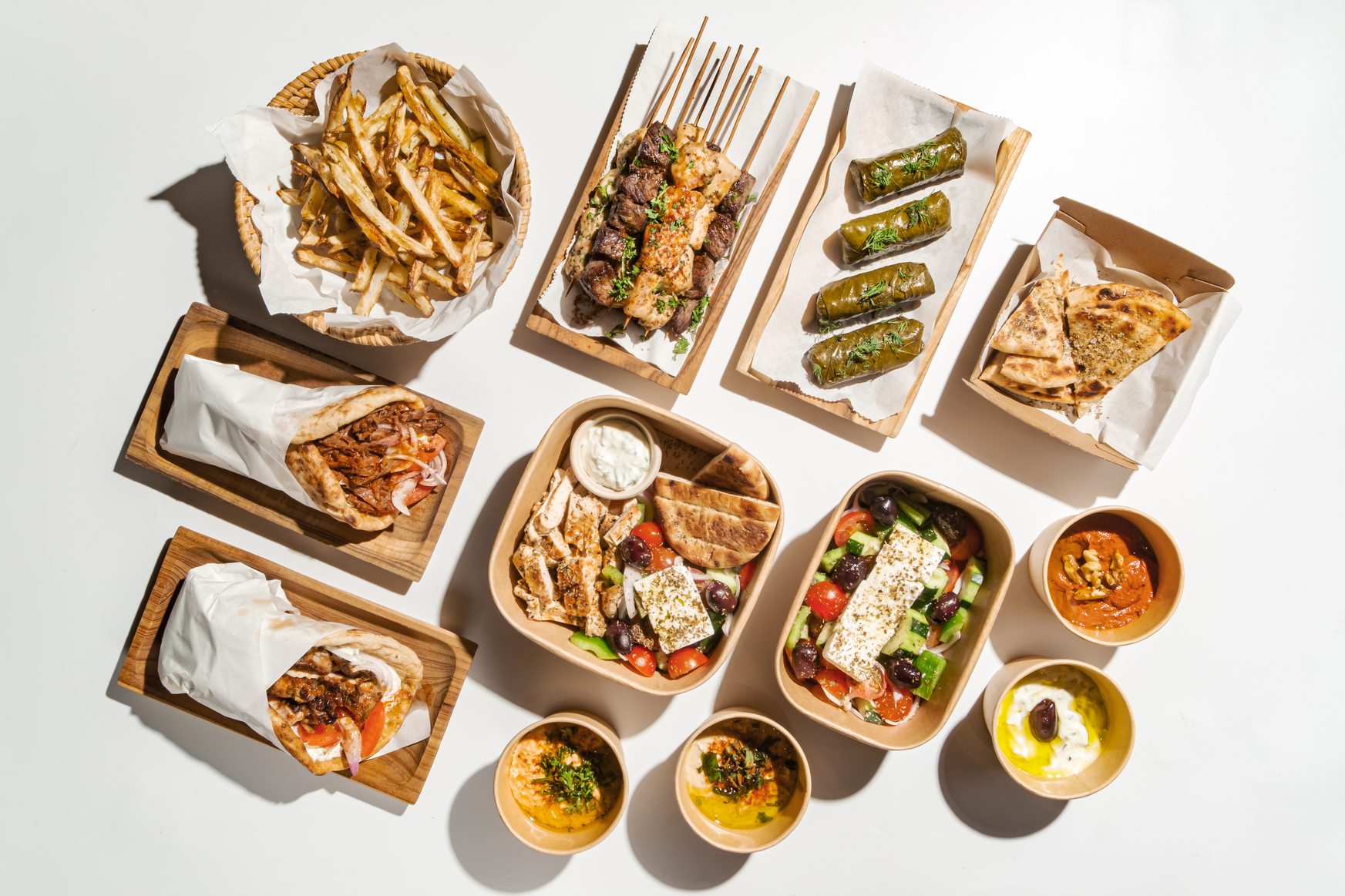 Healthy, Mediterranean-inspired bowls and sides at VIOS by Blue Kouzina
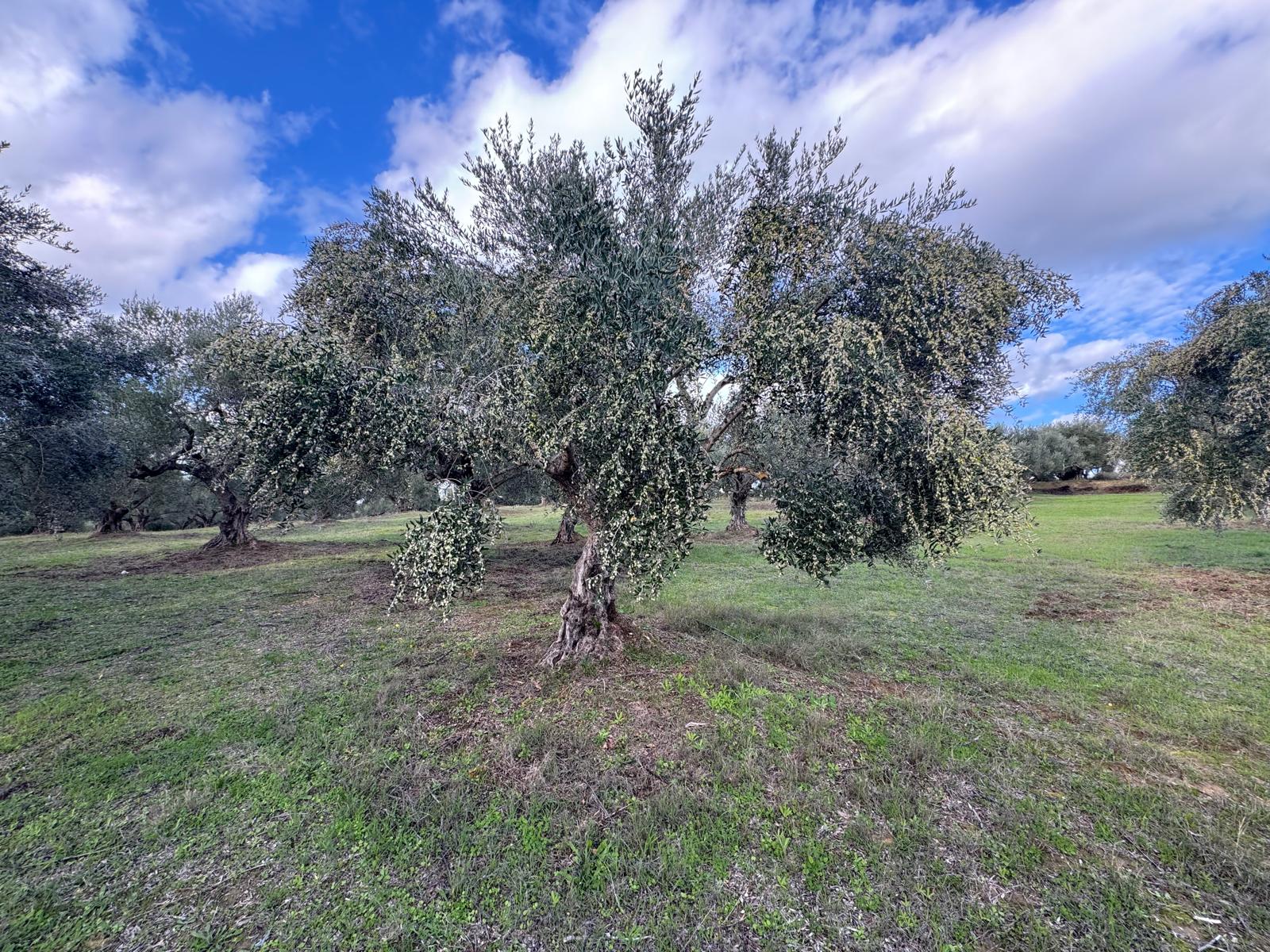 The Tsakiris family's olive grove in the Messinean Basin of Greece
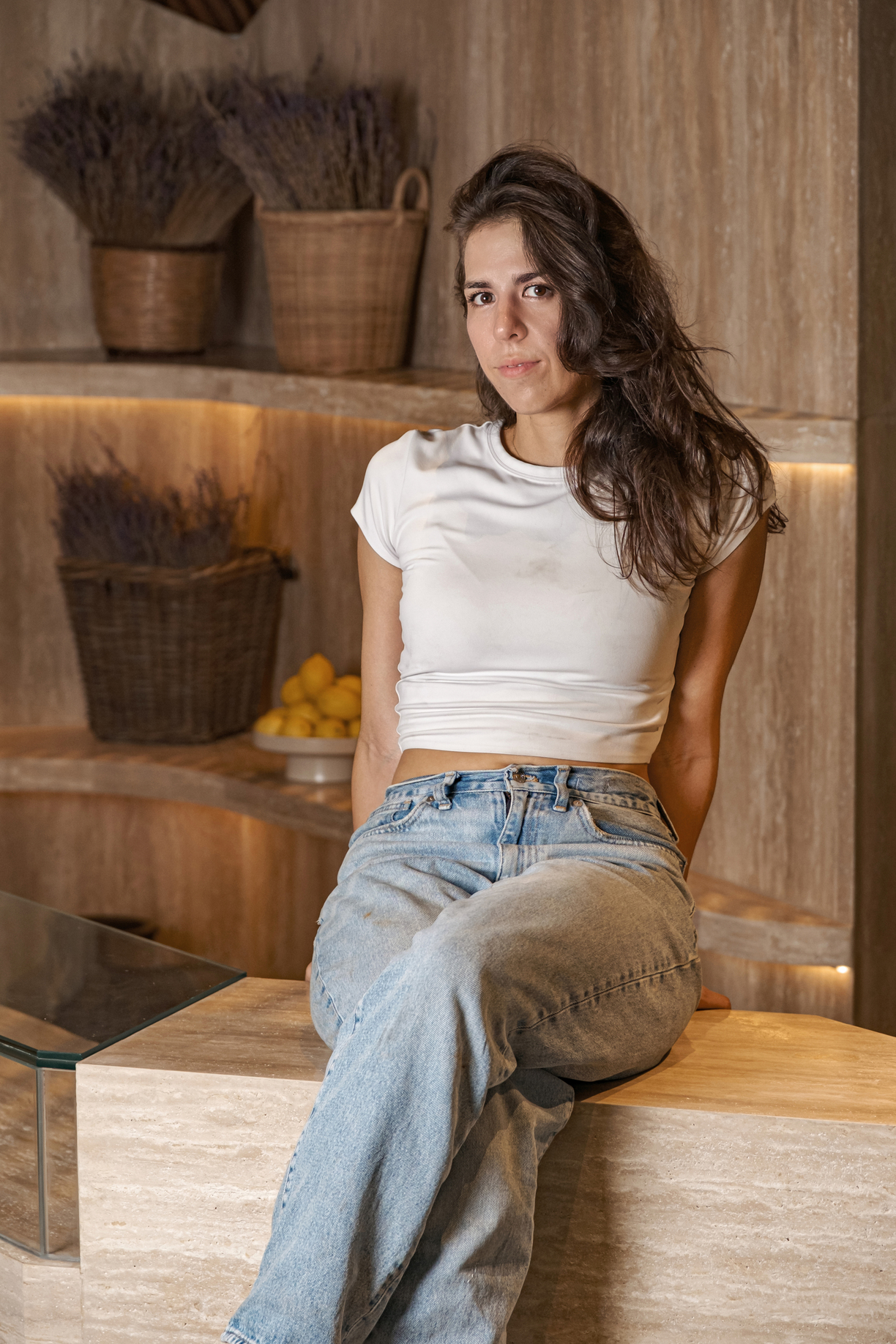 Gigi Tsakiris



 Back
Back