



PORTFOLIO GETS PERSONAL
Reset and Recalibrate: Spaces That Rethink the Wellness Routine
by Anton D. Javier
11 May 2026
11 May 2026
In Singapore, a new generation of wellness spaces is moving beyond one-off treatments and quick fixes. From science-led recovery studios to design-driven bathhouses, these new openings reflect a shift towards wellness that is more integrated, flexible, and better attuned to everyday life.

- HOUSE LONGEVITY AND SAUNA BATH HOUSE
- CAPYBARA BATHING SINGAPORE
- RAFFLES SENTOSA SPA
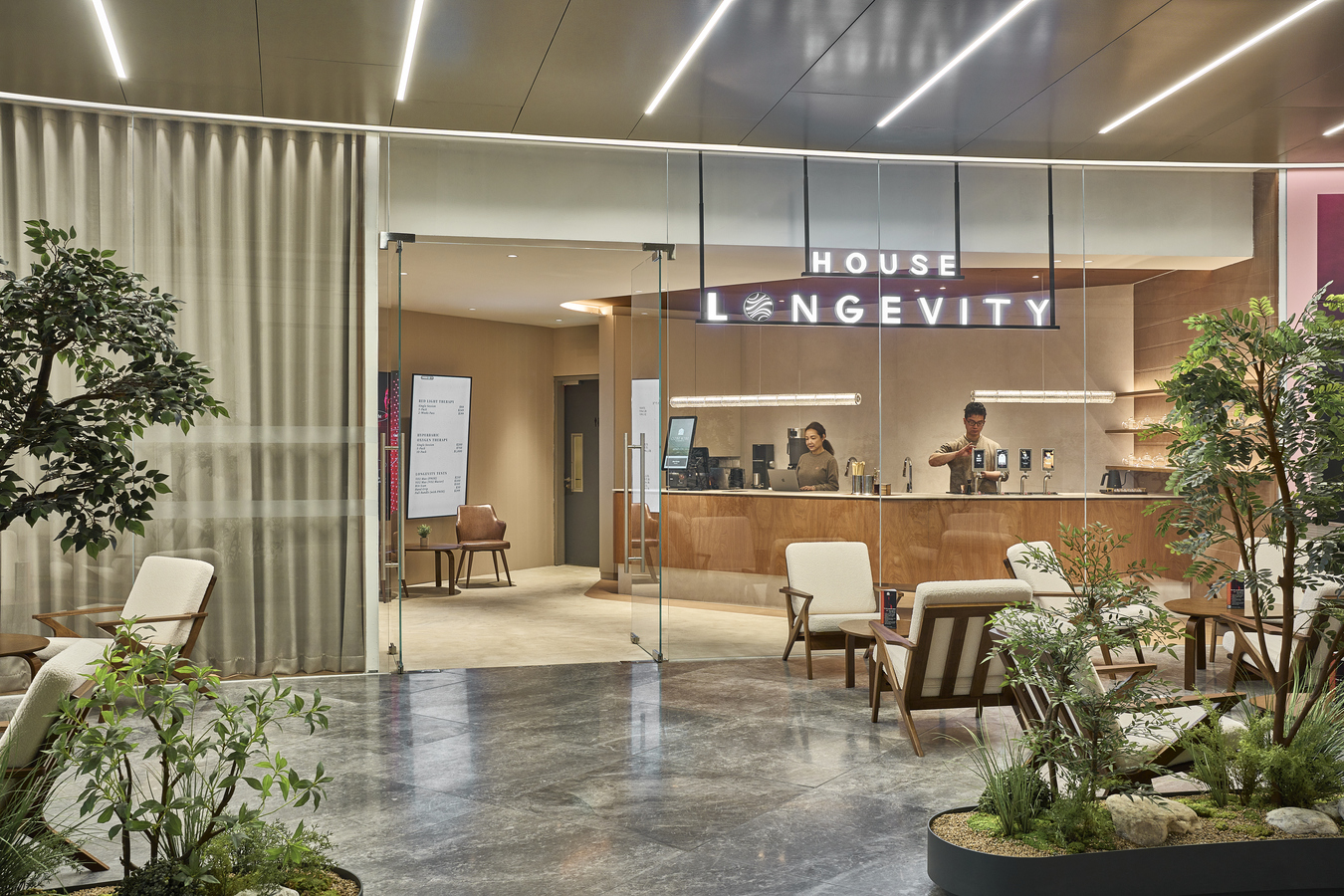

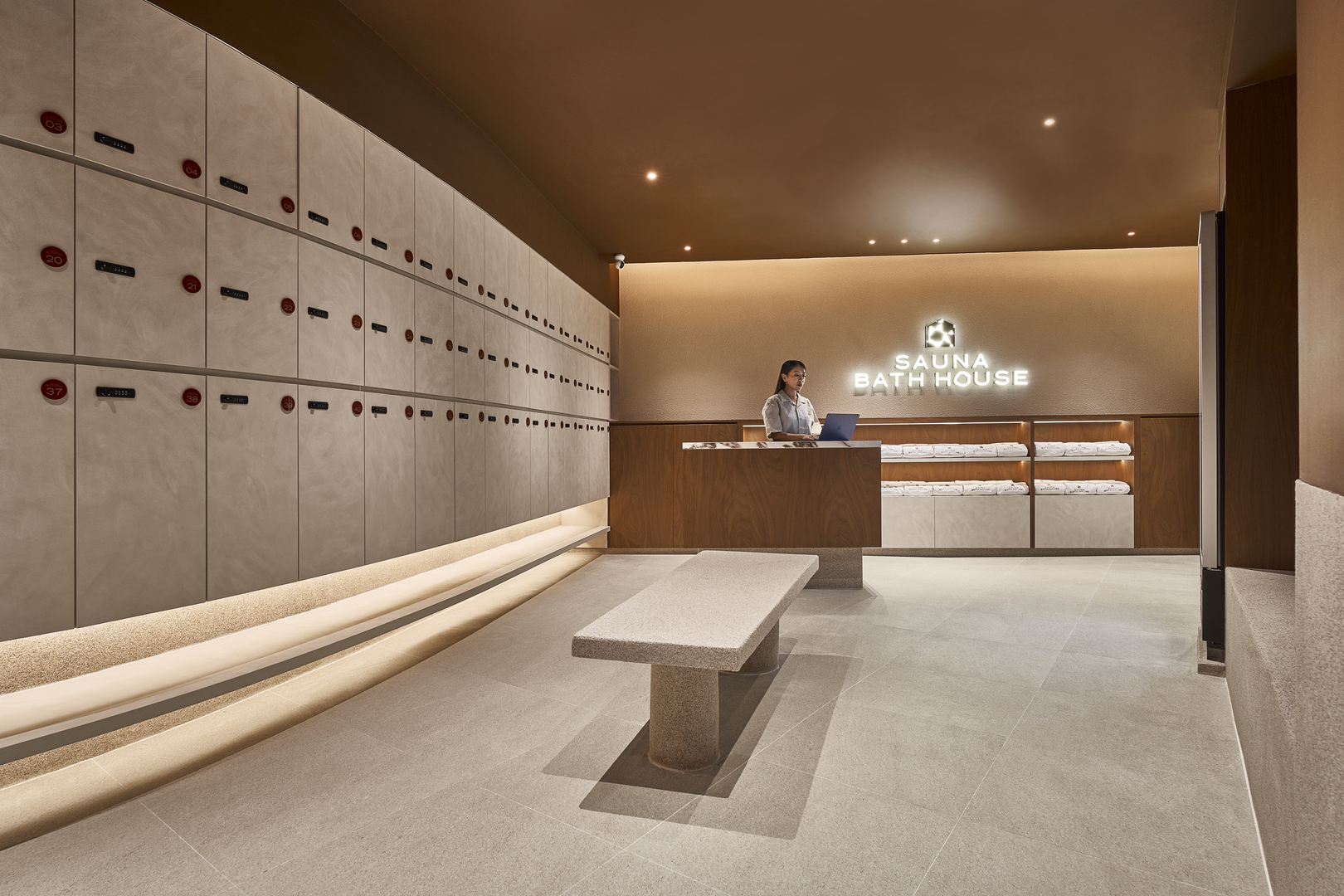
Located at Singapore Land Tower in Raffles Place, House Longevity and Sauna Bath House bring together two sides of modern wellness under one roof. Across two floors, the space combines guided, sensory-led recovery with more clinical, data-driven treatments. The idea is simple: To create a system that supports how the body feels and how it performs over time.
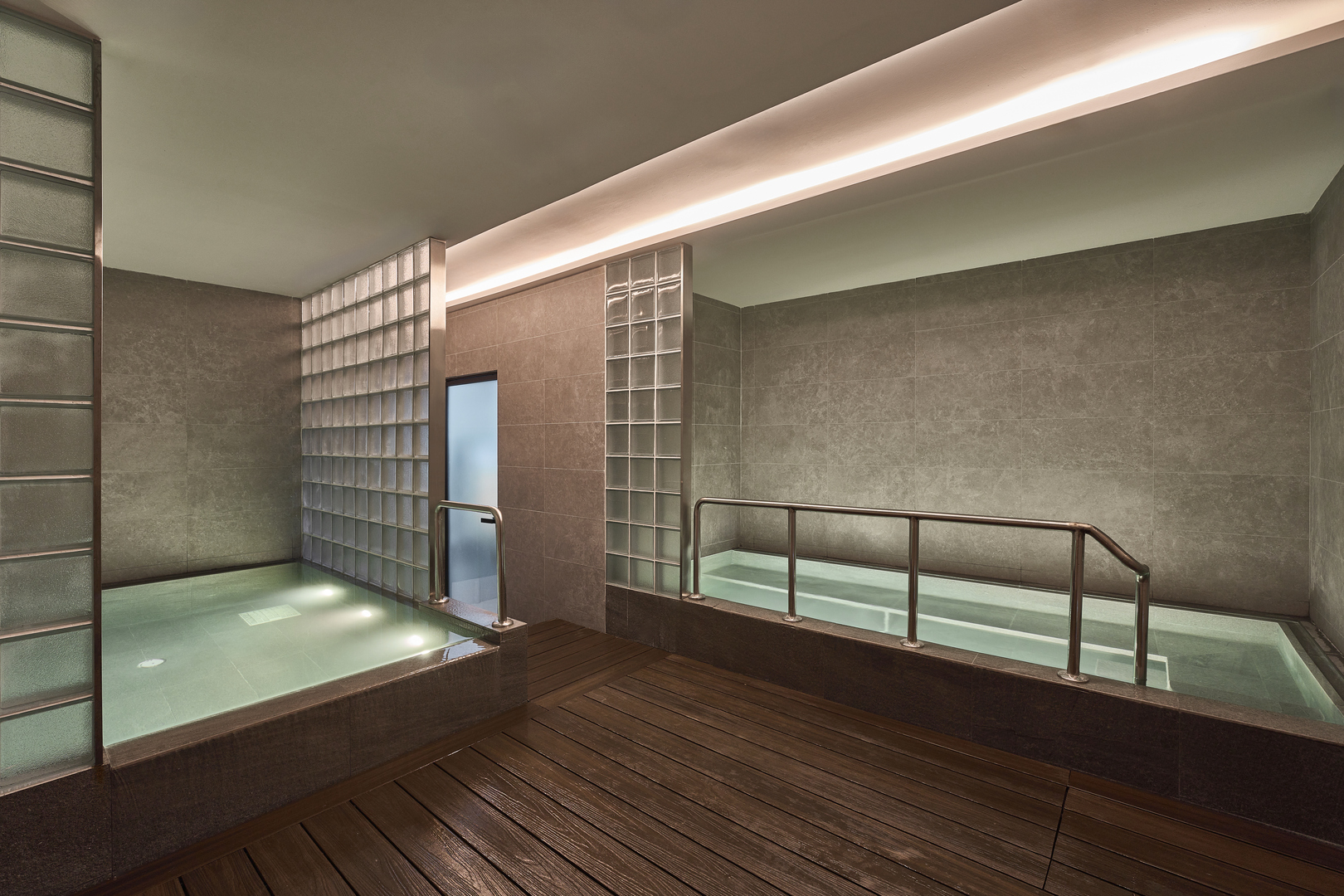
On the lower level, Sauna Bath House is centred around heat and cold therapy. Its main draw is Singapore’s first dedicated Aufguss programme, where sauna sessions are led by trained masters who control heat, airflow, and scent using essential oils and towel techniques. The experience is structured yet easy to follow, with heat building gradually before guests move through a cycle of hot pools, cold plunges, and ice showers.
The sequence is designed to help the body shift out of a constant state of stress. Moving between heat and cold encourages circulation, releases muscle tension, and helps regulate the nervous system. While the format is familiar, the emphasis here is on pacing and consistency, rather than pushing for extremes.
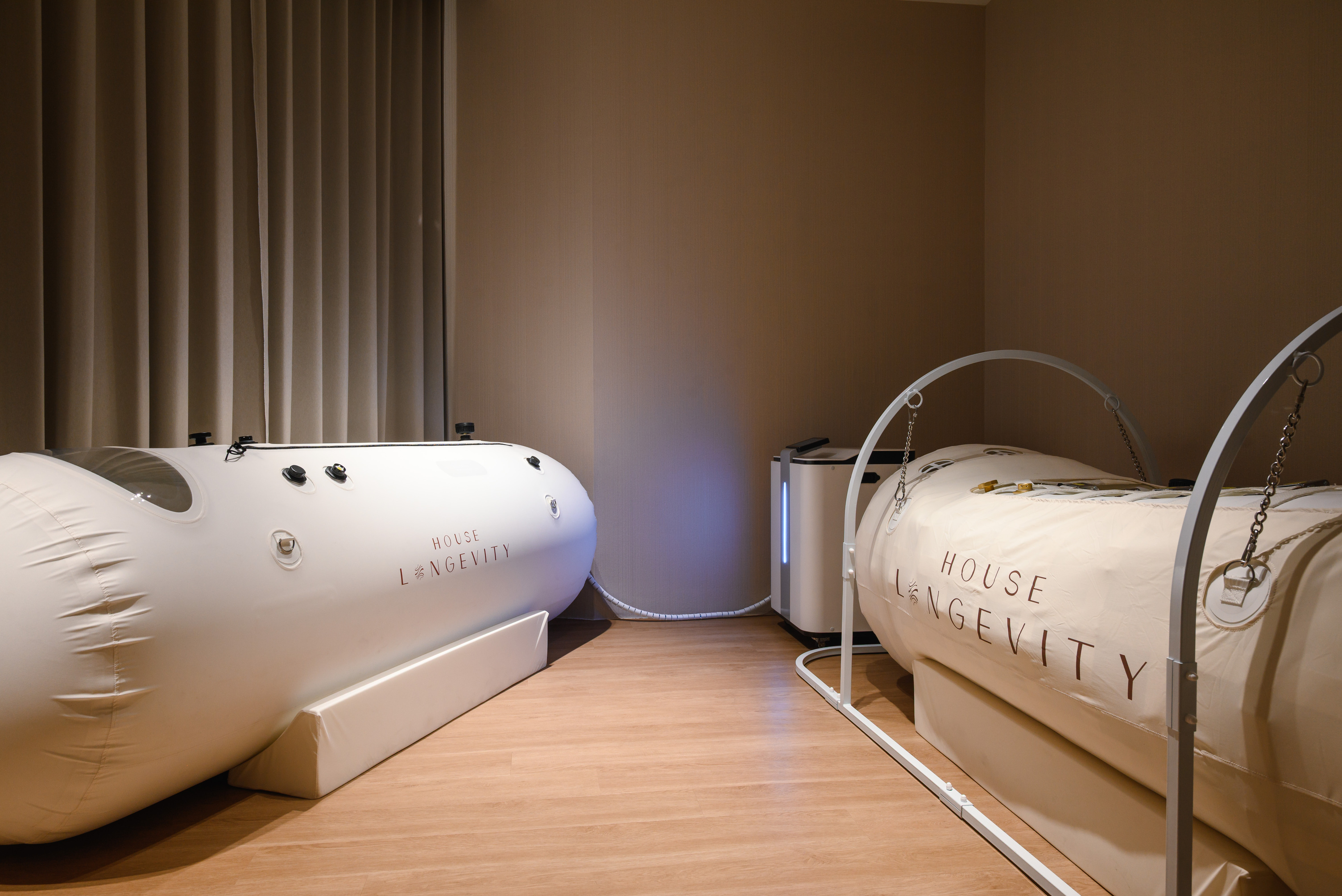
Upstairs, House Longevity takes a more measured approach. The space functions as a recovery studio, offering treatments like hyperbaric oxygen therapy and red light therapy, alongside metabolic and performance testing. Guests can track markers like VO₂ max, body composition, and grip strength, giving a clearer sense of how their body is responding over time.
For co-founders Dr Wei Chew and Steph Ong, the two floors are designed to work together rather than operate separately. “Relaxation and sleep are among the strongest and most evidence-backed pillars of longevity. They are not secondary to the science; they are foundational to it,” they say. In that sense, the sauna experience supports the same outcomes that the studio upstairs is measuring.
This thinking also shapes how they approach recovery and performance. Instead of treating them as different goals, they see them as part of the same cycle. “Recovery is what you need when your body is under strain; performance is what happens when you push past your current capacity and allow the body to consolidate those gains,” they explain. “The underlying biology is the same: Stress, followed by adaptation, followed by restoration.”
The space is designed with flexibility in mind. Guests can start with either the sauna or the recovery studio, and build a routine based on what they need at a given time. House Longevity also works with an external network of trainers, doctors, and nutritionists, positioning itself as a dedicated recovery base rather than a one-stop solution.
The experience ends at the Longevity Coffee Bar, where guests can take a moment before heading back out. It is a small detail, but one that reflects the broader intent of the space, to make recovery part of a regular routine, even within the pace of the CBD.
- HOUSE LONGEVITY AND SAUNA BATH HOUSE
- CAPYBARA BATHING SINGAPORE
- RAFFLES SENTOSA SPA
CAPYBARA BATHING SINGAPORE
.jpg)
.jpg)
At 77 Tras Street, Capybara Bathing brings a different pace to the city. The Australian wellness brand, known for its design-led approach to communal bathing, has opened its first outpost in Singapore, introducing its concept of “slow, social bathing” to a neighbourhood better known for its steady flow of office crowds and after-work dining.
Spanning 3,000 square feet, the space is structured as a sequence rather than a single room. Guests move through a series of zones that include magnesium mineral baths, cold plunges, steam rooms, and heated lounges, each designed to guide the body through shifts in temperature and state.
At its core, the concept is about creating space to slow down, even within a tightly scheduled day. For Nicole Chew, Partner and Director of Capybara Bathing Singapore, this meant rethinking how the brand’s philosophy could fit into a city like Singapore. “Time is often the scarcest resource here, so the idea of slowness has to be both intentional and accessible,” she explains. Rather than positioning the experience as something reserved for long stretches of free time, the aim is to make it possible to step in, reset, and return to the day within a shorter window.
That sense of transition is built into the design. From the moment guests enter to the way the interiors unfold, the space is planned to ease the shift from the outside world into a quieter headspace. Materials, sound, and temperature are all calibrated to support that change, without drawing too much attention to themselves.
.jpg)
.jpg)
Beyond the physical experience, Capybara Bathing also leans into its social aspect. Unlike many wellness spaces that focus on individual treatments, this is designed as a shared, device-free environment. “In a city where socialising often revolves around food and retail, we wanted to offer an alternative,” reveals Chew. The idea is to create a setting where people can spend time together more intentionally, without the usual distractions.
This approach extends to how the brand sees its role within Singapore’s wider creative and wellness landscape. Community and collaboration are central to its model, with the space doubling as a platform for different disciplines to come together. The studio already works with local designers and makers, from staff uniforms by rye to ceramic pieces by Mud Rock Ceramics, and is exploring further partnerships with artists, movement practitioners, and therapists.
“We see Capybara not just as a business, but as a cultural space,” Chew notes. “By working with others in the community, we can expand what bathing can mean and how wellness is experienced.” The goal is to move away from something purely transactional towards something more communal and exploratory.
In that sense, Capybara Bathing is less about escape and more about integration. It does not ask the city to slow down entirely, but instead creates small pockets of stillness within it. Even an hour, as Chew puts it, can be enough to reset, reconnect, and step back out feeling a little more present.
- HOUSE LONGEVITY AND SAUNA BATH HOUSE
- CAPYBARA BATHING SINGAPORE
- RAFFLES SENTOSA SPA
RAFFLES SENTOSA SPA
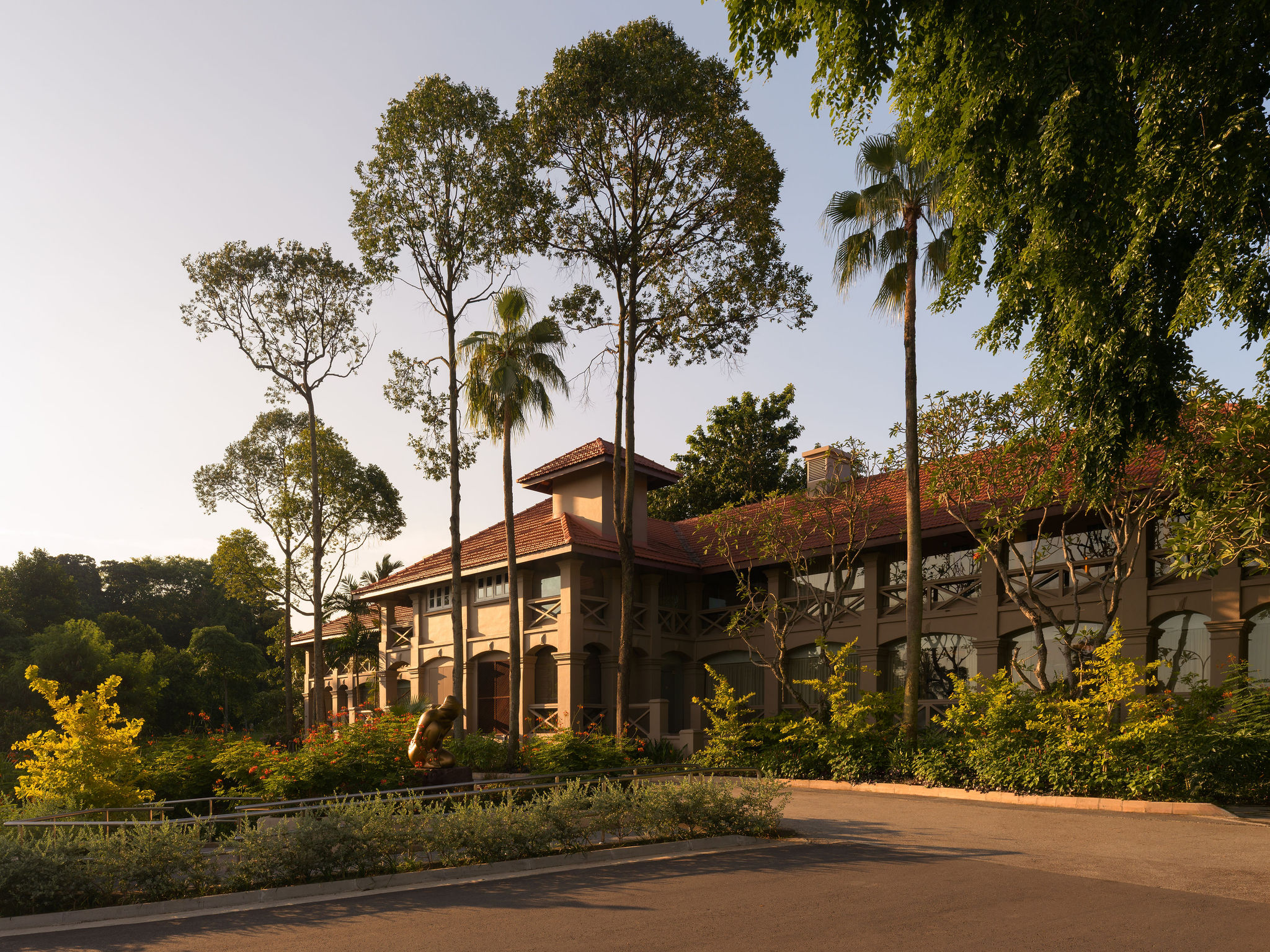
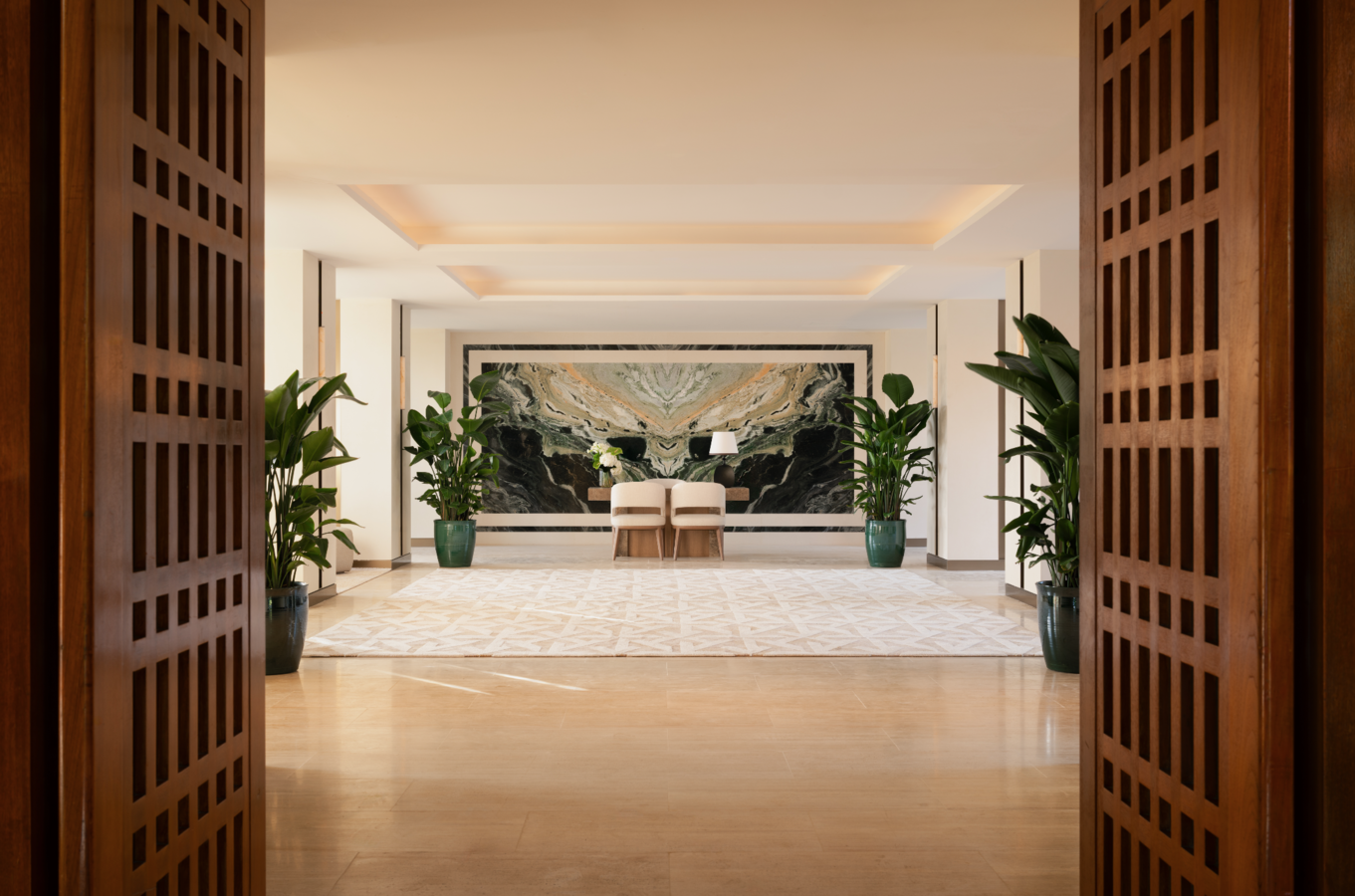
Set within the grounds of Raffles Sentosa Singapore, Raffles Sentosa Spa offers a quieter, more removed take on wellness. Housed in a restored heritage building that once formed part of a 1930s military barracks, the space sits within 100,000 square metres of greenery, creating a sense of distance from the city without requiring guests to leave it entirely.
The setting shapes the experience from the outset. There is a noticeable shift in pace, from open lawns and shaded paths to treatment rooms, hydrotherapy pools, and outdoor spaces designed for both movement and rest. Guests can move between yoga sessions, sound baths, thermal facilities, and moments of stillness, with the environment doing much of the work in slowing things down.
At the centre of the spa’s approach is a focus on personalisation. Each visit begins with a consultation, guided by a dedicated Wellbeing butler who helps map out a programme based on individual needs. Treatments, movement, nutrition, and rest are then brought together into a single, coordinated experience, rather than offered as standalone services.
For Cavaliere Giovanni Viterale, Cluster General Manager of Raffles Sentosa Singapore and Sofitel Singapore Sentosa, this level of attention is what sets the spa apart. “Wellness here is not about a fixed programme,” he says. “It is about understanding how a guest feels, what they need, and shaping the experience around that.”
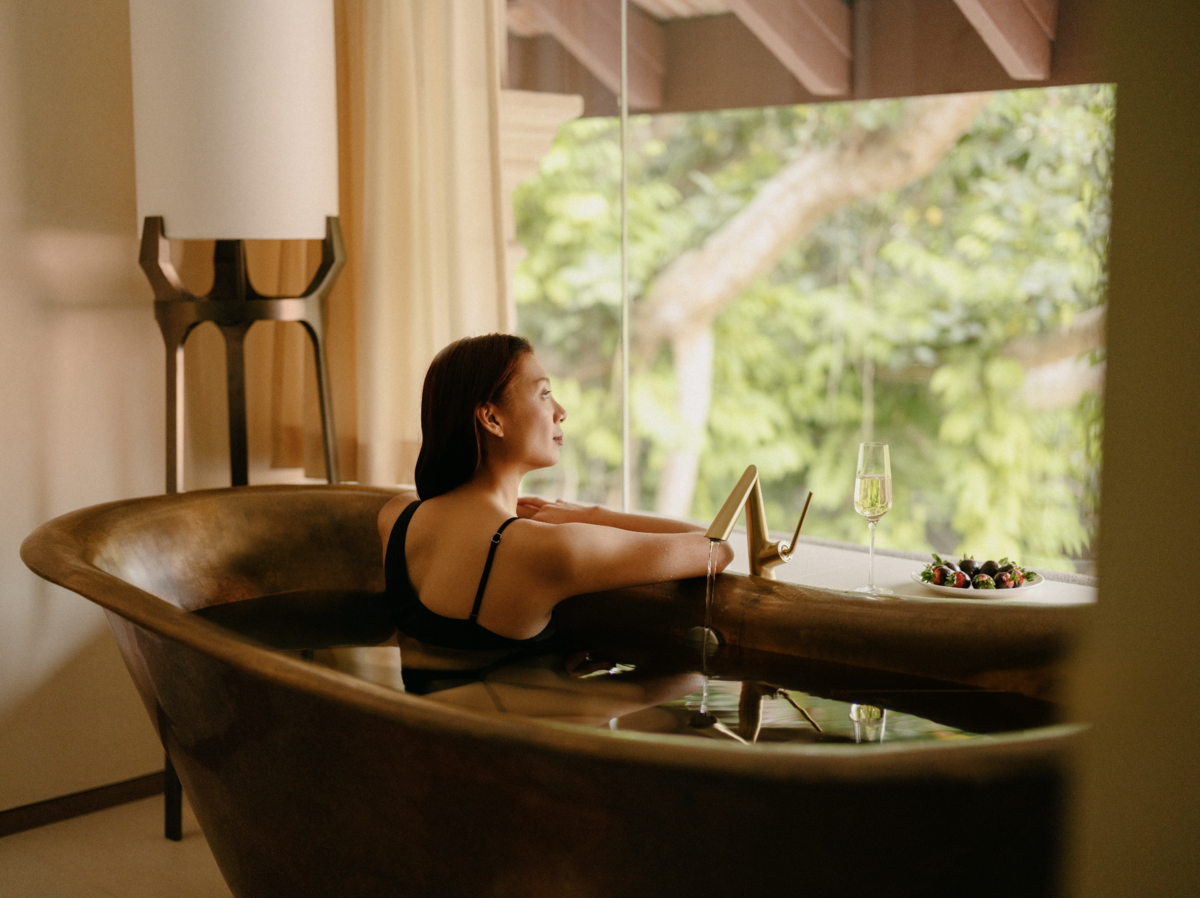
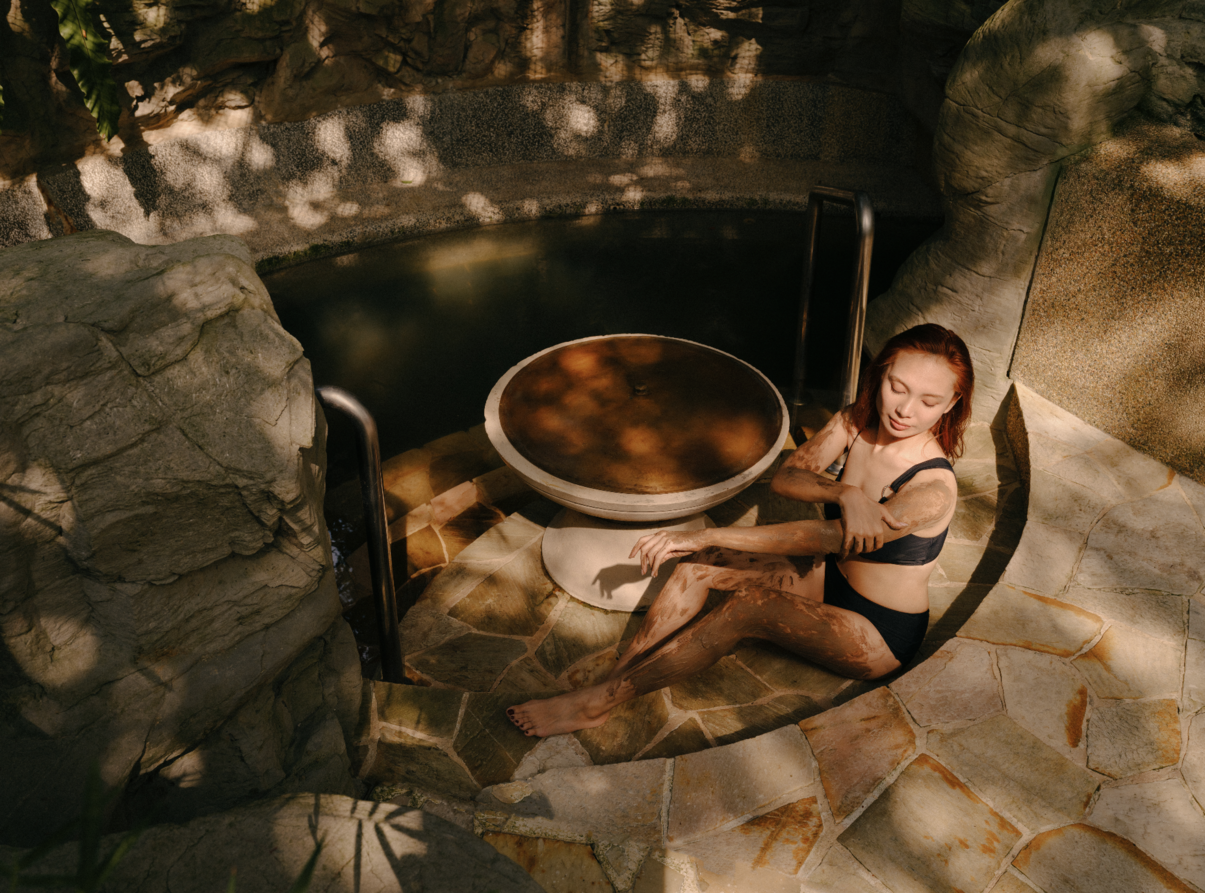
This approach is structured around the spa’s “Longevity Compass”, which focuses on four pillars: Movement, nourishment, restorative wellness, and connection. These inform a series of programmes that range from more physical, recovery-led treatments to those centred on relaxation and emotional balance. Across all of them, the emphasis is on continuity and how each part of the experience connects to the next.
The facilities reflect this breadth. Alongside treatment rooms and fitness spaces, there are indoor and outdoor pools, a mud pool, steam rooms, and hydrotherapy circuits designed for contrast and recovery. HAAR, the spa’s dedicated hair and scalp care salon, adds another layer, combining clinical treatments with grooming and styling services. Dining is also part of the experience, with Le Jardin offering a menu built around plant-forward and protein-led dishes that align with the spa’s broader focus on wellbeing.
While the setting naturally lends itself to resort guests, the spa is also positioned as a destination for regular use. Memberships and day passes open access to non-residents, reflecting a wider shift in how wellness is approached. “We are seeing guests become more intentional. They are not just looking for a one-off escape, but something they can return to as part of an ongoing routine.”
In that sense, Raffles Sentosa Spa sits somewhere between retreat and regular practice. It offers the scale and privacy of a resort, but with the flexibility to be used in shorter, more frequent intervals. Over time, the aim is for it to become less of a one-time visit and more of a consistent point of return, shaped by familiarity, trust, and an understanding of what each guest needs to feel well.



 Back
Back