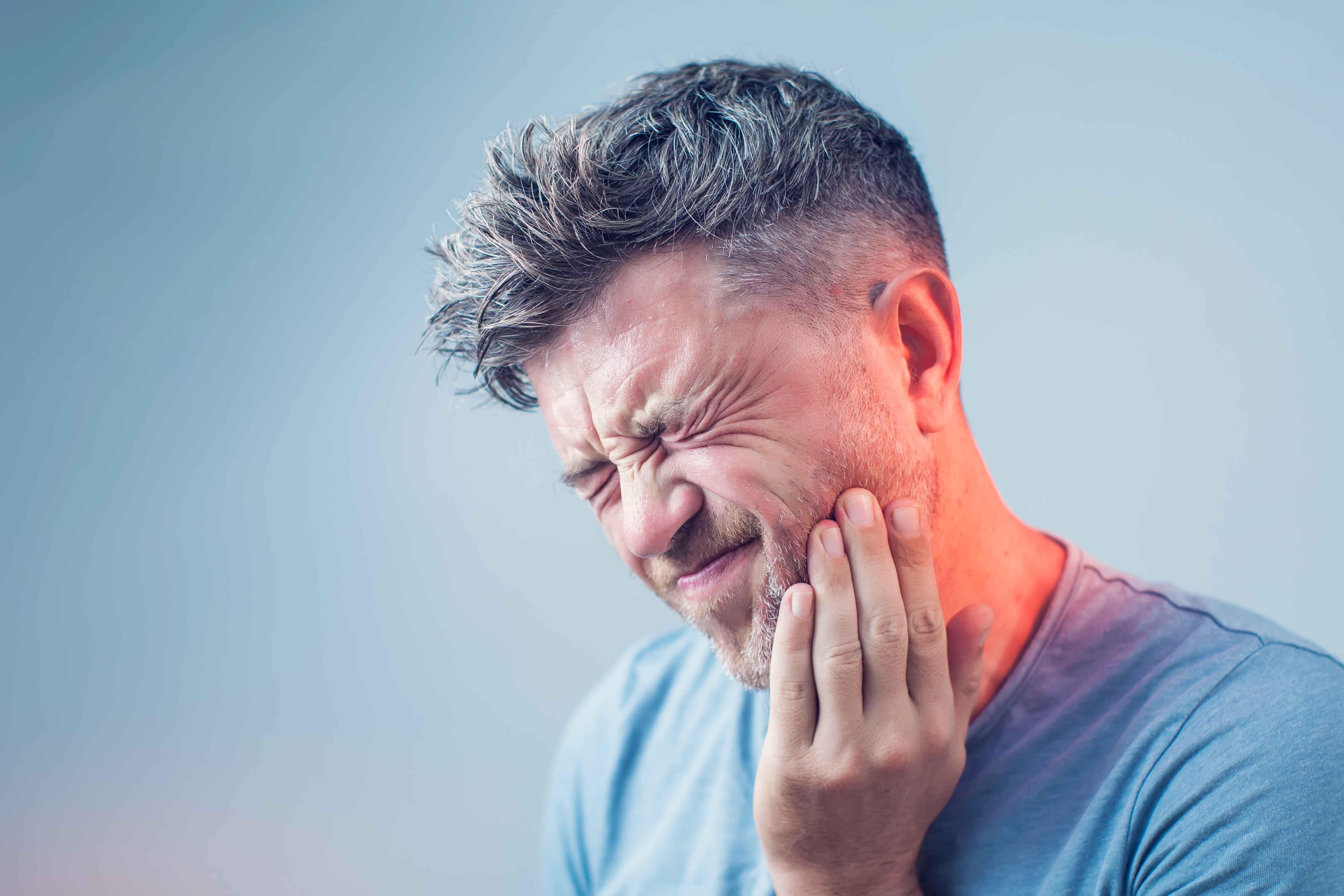
The weekend is finally here. As you sit down for breakfast and take the first bite of your favourite morning cereal, a sudden sharp pain shoots through one of your back molars. The cold milk only makes it worse, triggering intense sensitivity that seems to travel straight to your head.
The rest of the meal becomes uncomfortable. The cereal is abandoned, and even sipping cold water sends another jolt of pain through the same tooth. By lunchtime, chewing on that side feels almost impossible.
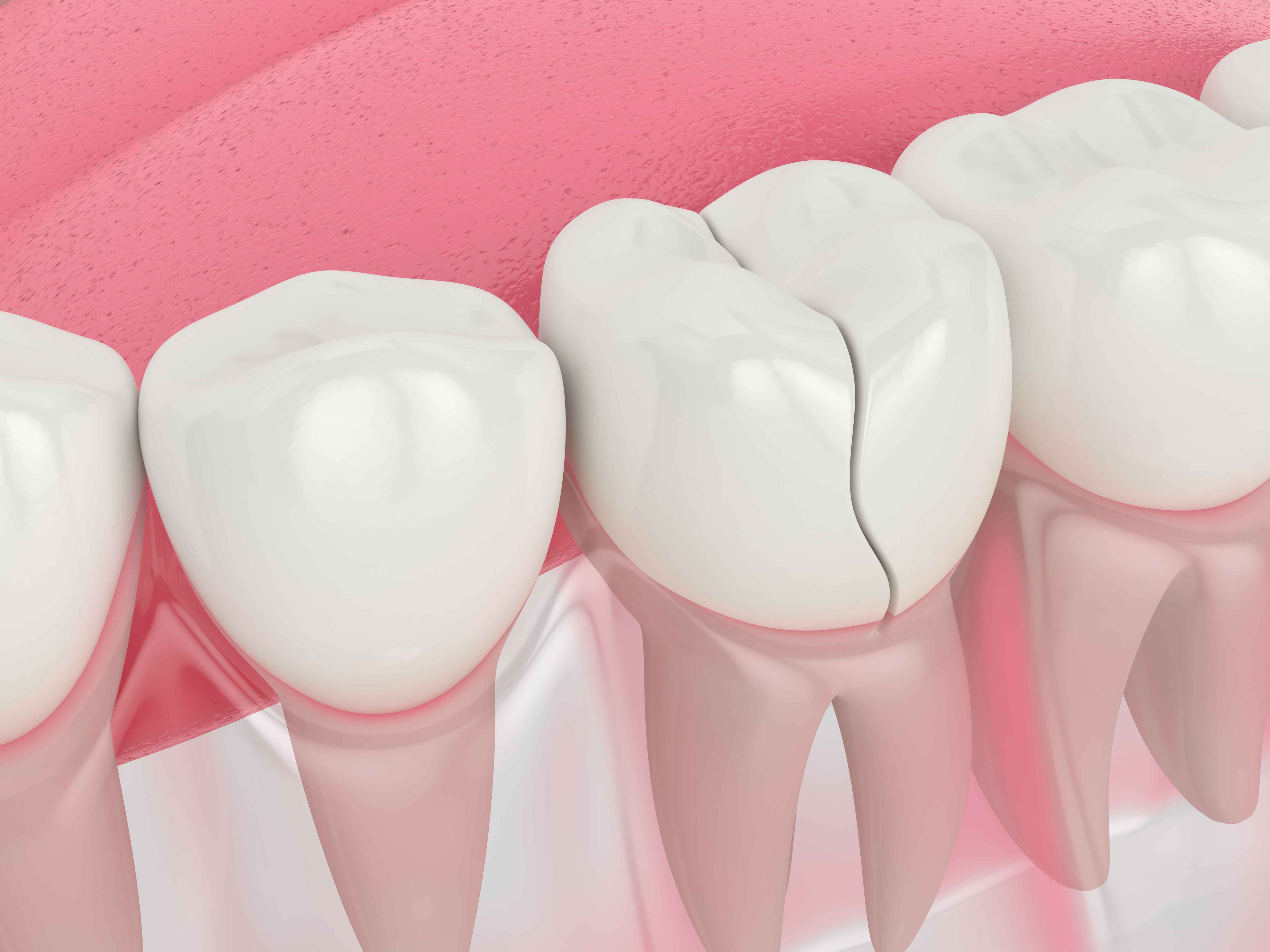
If this sounds familiar, you may be experiencing the symptoms of a cracked tooth.
Although teeth are the hardest structures in the human body, they are not indestructible. Over time, everyday forces can cause small cracks to develop, sometimes without any obvious trauma. As dental care has improved, people are keeping their natural teeth much longer, often with more fillings and restorations than in the past. Repeated fillings, along with long-term chewing pressure, can weaken the tooth structure and increase the likelihood of cracking.
Certain habits also play a role. Chewing on hard foods such as bones or ice places intense pressure on teeth, while stress-related tooth grinding during sleep can gradually create microscopic fractures. In individuals who grind their teeth regularly, the jaw muscles may become stronger and more pronounced, further increasing biting forces.
Cracked teeth often present with specific warning signs. Sensitivity to cold drinks is common, as is sharp pain when biting down or releasing pressure after chewing. Unlike cavities, cracked teeth may not show visible decay or defective fillings, making them harder to detect without a dental examination. Dentists may observe fine fracture lines, cracked restorations, or even localised gum pockets near the affected tooth.
The good news is that cracked teeth can usually be treated effectively. In many cases, placing a dental crown over the tooth helps stabilise the crack, relieve pain, and protect the tooth from further damage. If the tooth remains sore or the crack has affected the nerve, a root canal treatment may be necessary before the crown is placed.
Prevention plays an important role in protecting your teeth from cracking. Avoiding very hard foods is a simple but effective step. Maintaining good oral health through regular dental check-ups allows potential problems to be detected early. For those who grind their teeth at night, a custom-made dental guard can help absorb biting forces and protect teeth from further stress.
By recognising early symptoms and seeking prompt dental care, cracked teeth can be managed effectively, helping you maintain a comfortable, healthy smile.
For more information, click here







 Back
Back