In an era defined by rapid shifts in behaviour, technology, and expectations, 2026 stands to be a year where industries reset with greater clarity and purpose.
Across hospitality, wellness, luxury retail, education, design, entertainment, and more, industry leaders are moving beyond short-term trends toward deeper, more considered approaches rooted in human needs. Travellers are seeking meaning and connection, consumers want authenticity and substance, and businesses are rethinking how they serve communities with responsibility and imagination.
In this edition of the annual Portfolio Forecast, we bring together a diverse group of voices who are navigating evolving landscapes with insight and optimism. While their fields vary widely, a shared thread runs through their perspectives. Personalisation guided by technology. Wellness woven into everyday life. Cultural resonance taking precedence over uniformity. A shift from transactions to relationships.
These leaders are not only responding to change, they are defining what progress looks like across Asia and beyond. Their visions offer a glimpse into a future shaped by clarity, humanity, and a renewed sense of possibility.
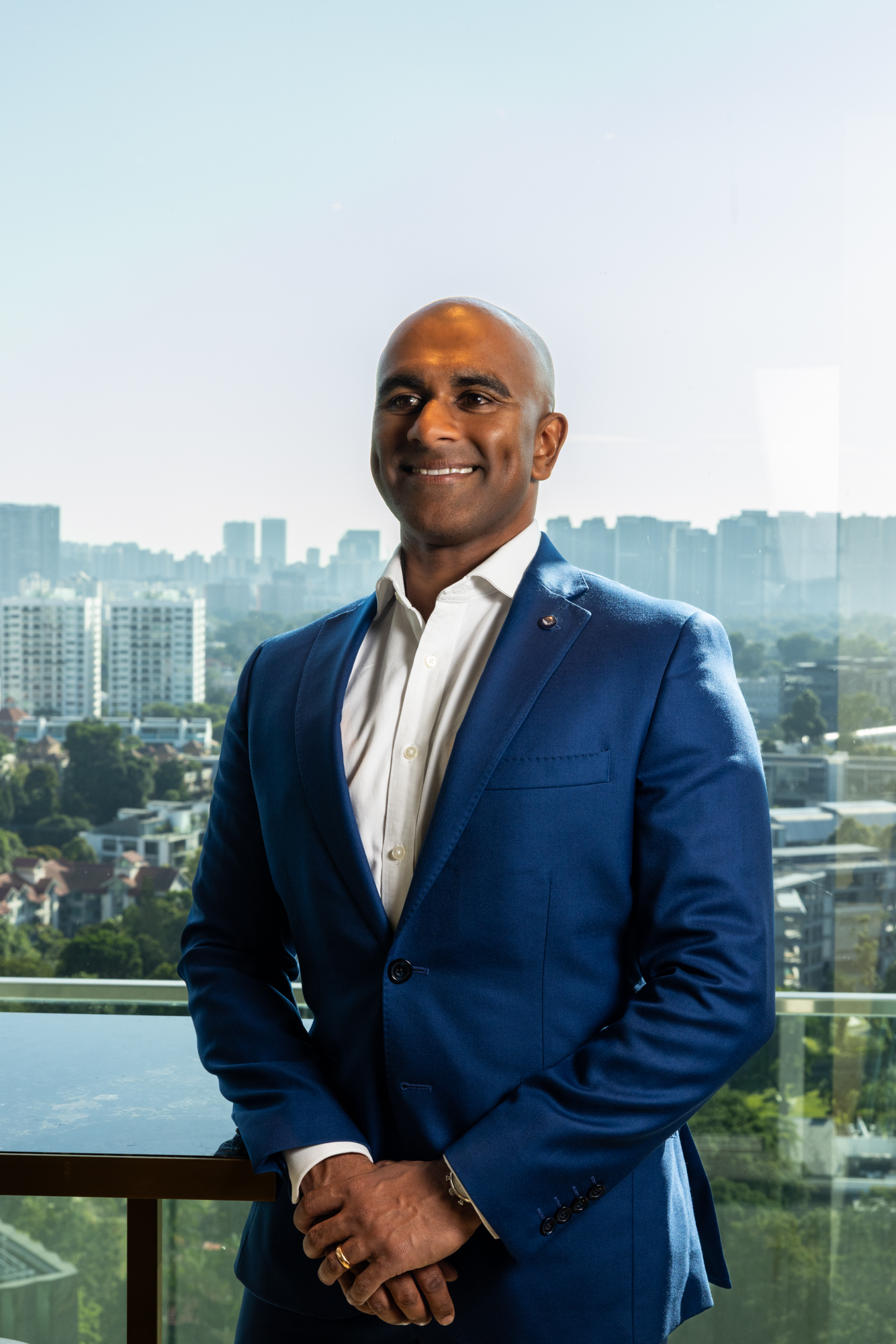
LASANKA PERERA
Chief Executive Officer, Independent Reserve Singapore
What industry insights and trends do you see shaping 2026, and which of these hold the greatest opportunities in your field?
When I look at 2026, I see three big forces shaping the industry, and the biggest opportunities sit where they intersect. The first is that more investors view Bitcoin as a powerful portfolio diversifier. Since 2009, Bitcoin has been one of the strongest performing assets, with its “issuance rate” now under 1% and set to decrease every four years. In comparison, the global USD money supply has grown by around 129%*. Amidst ongoing inflation and high debt levels, Bitcoin’s fixed and transparent supply offers a very different risk profile to fiat or most equities, leading to family offices, treasuries and institutions allocating to it.
The second area is where crypto quietly solves real problems. Stablecoins and tokenised assets are good examples. Stablecoins are already used for cross-border payments, remittances, and treasury flows because they’re faster and more transparent. Meanwhile, tokenised assets open doors to deeper liquidity, permissionless access from anywhere in the world, better settlement, and global market access.
The third is regulation: More comprehensive regulatory frameworks around the world mirror traditional finance, with stronger expectations around consumer protection, operational resilience and AML. That shift is important in turning crypto from the financial fringe to an integrated, credible part of the global financial system.
*FRED (Federal Reserve Economic Data)
How do you see yourself/your organization leading the way in turning these forecasts into reality?
The opportunity lies at the intersection of these trends: Operating in regulated markets, helping clients invest in Bitcoin thoughtfully, and building the rails that support stablecoins and tokenised assets in everyday activity. Our role is helping individuals, institutions, and corporates use crypto safely and securely. That might involve using cryptocurrency to pay bills and manage cash flow, mitigating market risk, or holding Bitcoin and stablecoins as part of its treasury.
We will continue as a responsible ambassador for the industry. Money is involved, so security, governance, and the protection of client funds are non-negotiable. If we can continue to combine reliable infrastructure with closing the knowledge gap and demystifying this space, we are helping to shape where the industry is heading.
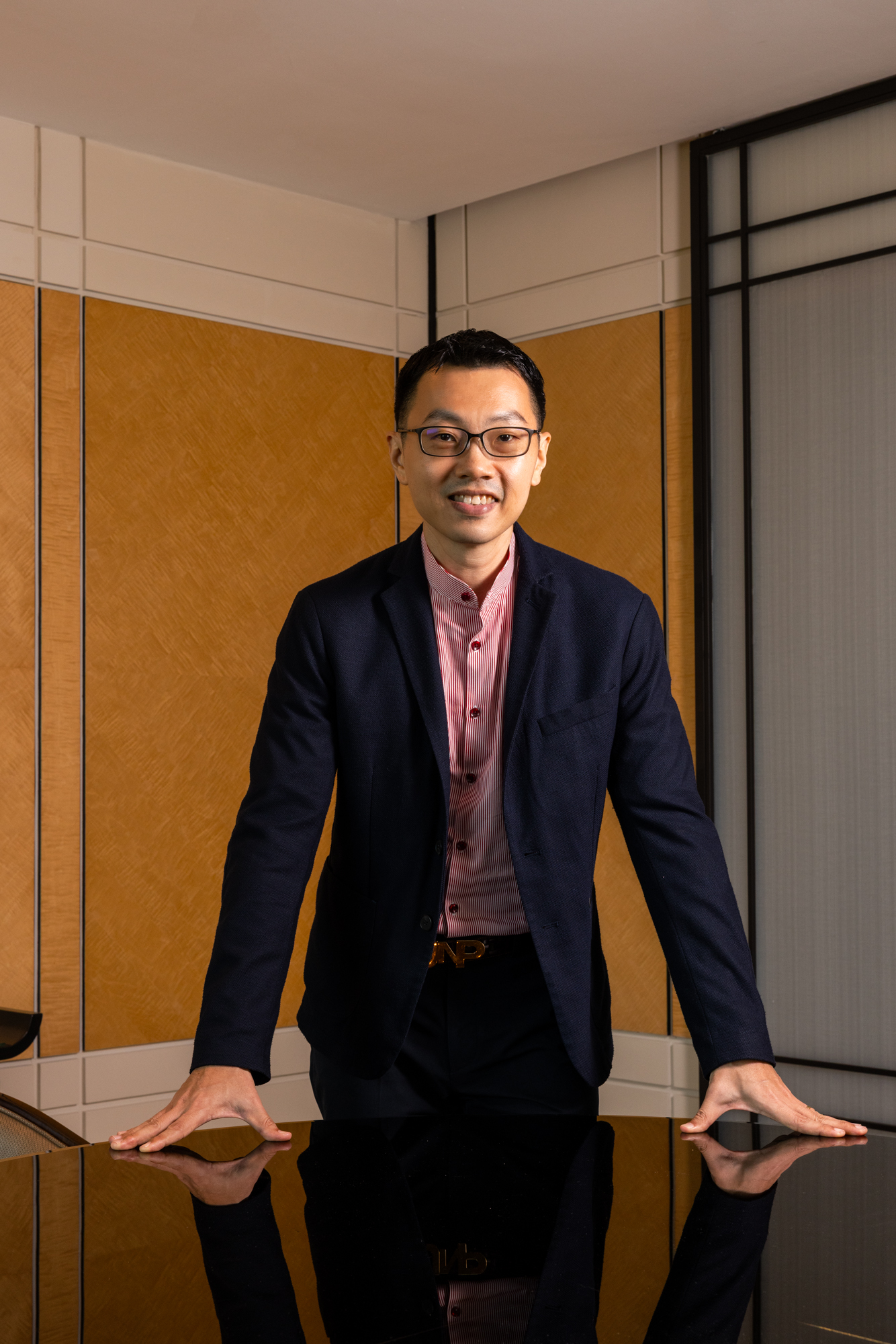
SEOW KEK WEE
Associate Director & Chief Investment Officer, Unicorn
What industry insights and trends do you see shaping 2026, and which of these hold the greatest opportunities in your field?
Plan with the current investment paradigm while preparing for a paradigm shift. The United States remains home to many of the world’s best companies, but its position as the unquestioned financial centre is slowly evolving. This makes diversification across other major regions increasingly important to capture new sources of growth and resilience.
Chinese equities could be one such candidate, offering promise as ongoing reforms reset its economy for the decade ahead while valuations remain reasonable.
Interest rates are likely to move lower in the year ahead as core inflation cools. While tariffs may cause brief price spikes, they tend to be short-term inflationary, but long-term deflationary. In this setting, interest-rate-sensitive assets such as REITs and REIT managers continue to offer attractive value.
How do you see yourself/your organization leading the way in turning these forecasts into reality?
Artificial intelligence is the elephant in the room. Since the “ChatGPT moment” in 2022, the surge of investment into AI has raised fears of a bubble. Whether the bubble bursts soon is anyone’s guess – but exiting too early risks missing real long-term gains.
We prefer a balanced approach: Maintain reasonable exposure to quality tech leaders, trim as prices rise, and keep dry powder ready for opportunities. We remain early in this powerful AI wave.
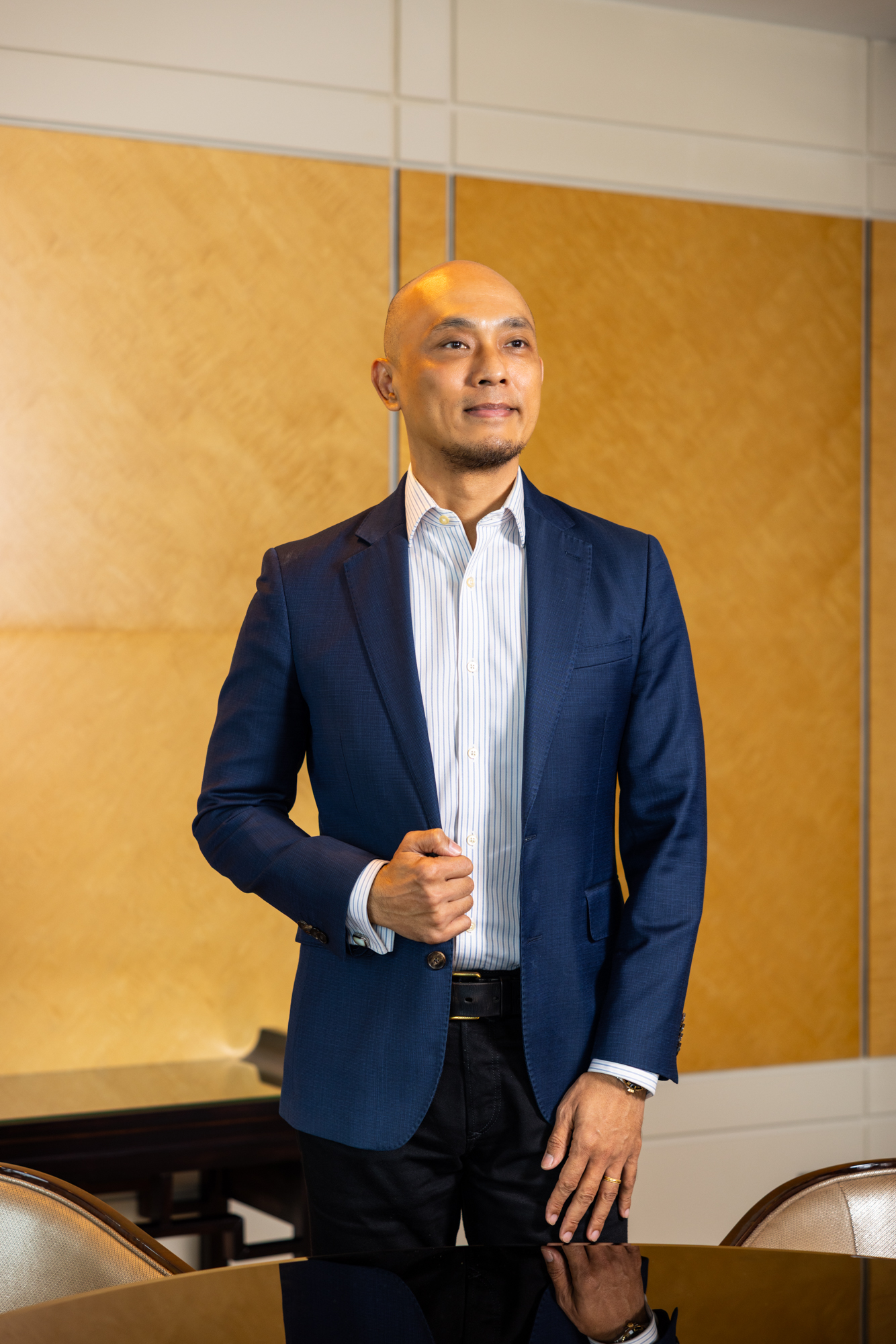
TROY NYI NYI
SVP & General Manager, SEON
What industry insights and trends do you see shaping 2026, and which of these hold the greatest opportunities in your field?
Two shifts define 2026: Speed and intelligence. Real-time onboarding and payments are collapsing decision windows, while expectations for fairness and transparency keep rising. Fraud isn’t a checkpoint; it’s a pattern across identity, device, and behaviour.
The opportunity is to use AI to turn trust into a living system. AI now reads context, not just signals – gauging intent versus abuse and adjusting friction in real time. In parallel, fraud and AML are fusing into a single, auditable workflow. The future belongs to teams that move fast, stay explainable, and adapt as quickly as threats do.
How do you see yourself/your organization leading the way in turning these forecasts into reality?SEON helps businesses build trust without slowing down. Our platform connects digital, device, and behavioural data in real time to deliver decisions that are fast, fair, and explainable. Reviewers see why a call was made, customers get clear next steps, and leaders have an audit trail they can rely on.
We unify fraud prevention and AML into a single command centre, reducing false positives and speeding investigations. Smarter automation learns from outcomes, letting AI handle routine risk while humans focus on judgement where it matters most. The result is a system that adapts as threats evolve – protecting businesses and customers while keeping friction low.
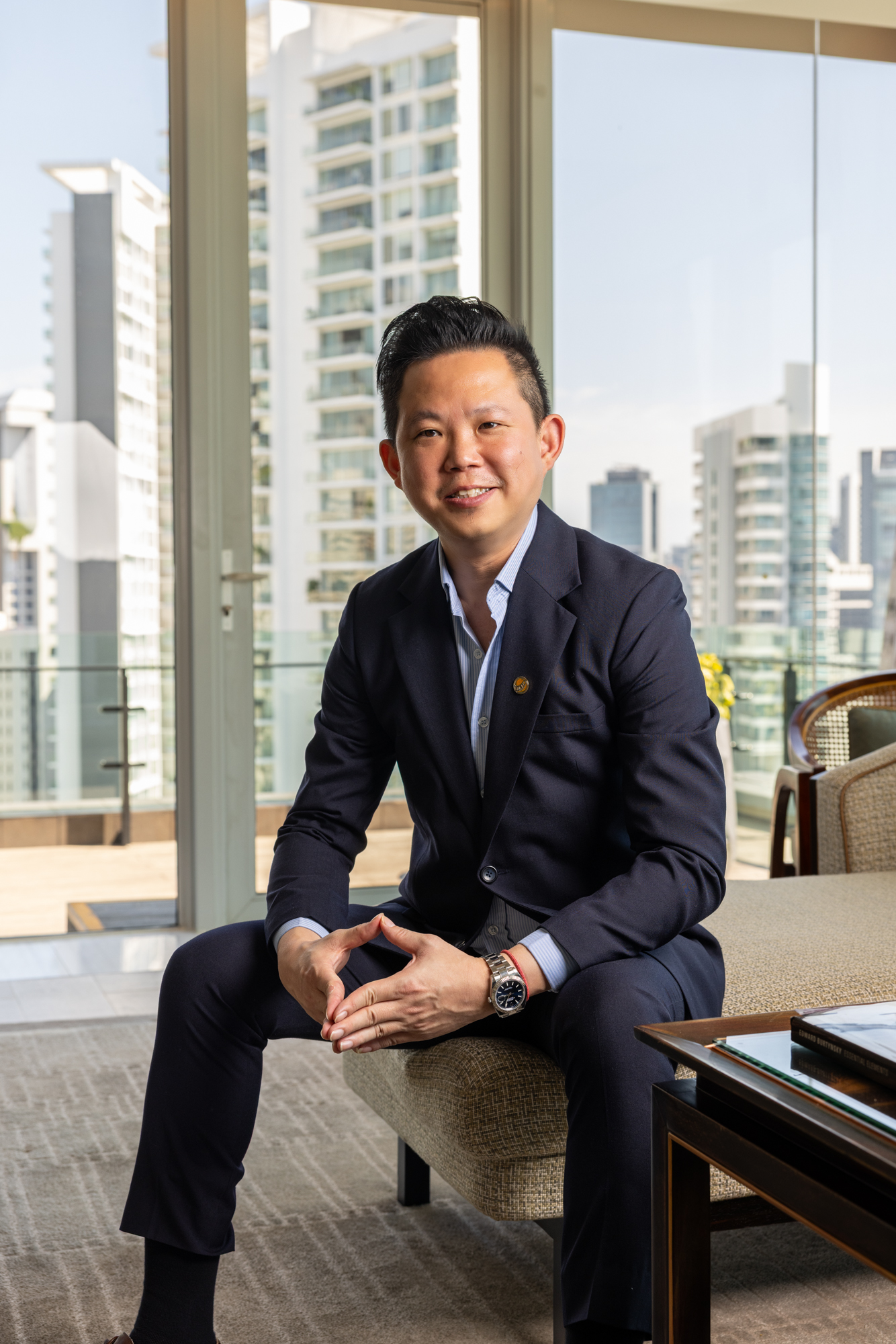
IAN LEONG
Chief Executive Officer, Tiger Brokers Singapore
What industry insights and trends do you see shaping 2026, and which of these hold the greatest opportunities in your field?
The convergence of AI and real-time data analytics will reshape investing. AI-powered analytics will increasingly empower retail investors with personalised insights, driving smarter, self-directed decisions.
We also expect strong growth in AI-driven wealth management, driven by deeper integration of proprietary data and sophisticated reasoning models. Increased demand for alternative assets and options trading will further open access to innovative investment tools.
By combining these technological advances with human elements, such as education and personalised insights, investing can be simpler and inclusive.
How do you see yourself/your organization leading the way in turning these forecasts into reality?We are uniquely positioned to lead this transformation by combining advanced AI and deep financial expertise across our global trading ecosystem – a true reflection of our 'High-Tech High-Touch' strategy. TigerAI, enhanced by Deepseek and OpenAI's GPT models, exemplifies how we turn innovation into practical tools for everyday investors.
Beyond technology, our L.E.A.P. Programme underscores our commitment to nurturing the next generation of investment representatives, equipping them to provide personalised and trusted client support. This reinforces our belief that AI complements – not replaces – the human touch essential to strong relationships. In parallel, we continue to host market seminars promoting financial literacy and confident investing. By integrating innovation with empathy, we aim to advance financial inclusion for all.

JOVIN LOH
Chief Executive Officer & Founder, Academia
What industry insights and trends do you see shaping 2026, and which of these hold the greatest opportunities in your field?
In 2026, two currents will shape education in Singapore. First, quality moves to the foreground. In times of global economic and sociopolitical uncertainty, households prioritise reskilling and upskilling. These efforts often spill over into children's education, with an emphasis on long-term skills and career readiness. Meanwhile, shifting population demographics mean increased resources per student. However, amidst tightening schedules, parents aren’t looking for more; they’re looking for better. Educators who focus on quality will earn trust, credibility, and enduring loyalty.
Second, the landscape is being redefined. Policy is moving toward a more holistic and inclusive model with broader measures of success, greater flexibility in how students build depth, and admissions that reward balance. For educators, the bar will become higher, with a wider range of factors to consider. At the same time, families, teachers, and students are coming to terms with AI, navigating new norms around effort, authorship, and credibility. Educators need to teach judgment, find ways to augment their own practices, and yet prepare students for an AI-shaped future.
The greatest opportunities come at the intersection of these flows of quality and redefinition. It’s important to institutionalise uncompromising quality, but also apply thoughtful technological augmentation while building in support that is both holistic and equitable.
How do you see yourself/your organisation leading the way in turning these forecasts into reality?
At Academia, we begin with clarity of purpose. Educational rigour sits at the heart of every decision, from how lessons are designed to how teachers are trained. In a future defined by quality and redefinition, the ability to act with precision, rather than react to trends, becomes essential. Innovation needs to be purposeful and focused on learning. We adopt technology only where it makes lessons clearer, feedback faster, or pedagogy stronger.
The evolving climate also demands agility. As definitions of success broaden, educators will need to design not just for content mastery, but for resilience, judgment, and intellectual independence. These are skills that cannot be mass-produced or outsourced, skills that require thoughtful, deliberate instruction. It is not enough to teach; one must teach well.
At the same time, families are becoming more discerning. Their expectations are shifting from “more tuition” to “better learning.” This is a decisive opportunity for institutions that prioritise depth over volume, and partnership over transaction. We design with families in mind, always asking: would we want this for our own child? The next era of education belongs to those who can hold quality and adaptability in the same breath. That’s the future we are building for.
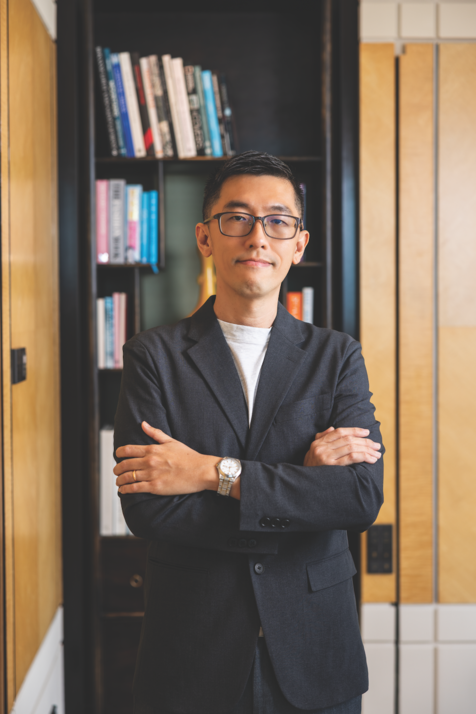
GUANKAI (GK) NG
Co-Founder & Director of Business Development, Nabcore
What industry insights and trends do you see shaping 2026, and which of these hold the greatest opportunities in your field?
The two trends that I see will define the brand protection space in 2026 are:
(1) AI-powered digital monitoring and enforcement for online space
(2) Smart packaging of physical products for conscious consumers
We are seeing more consumers valuing authenticity, sustainability, and responsible manufacturing. In 2026, the European Union (EU) will be rolling out the Digital Product Passport (DPP), which is a requirement for some products entering Europe. A brand’s reputation and its revenue will depend on the ability to guarantee these values. Yet, counterfeiting and fraud in both online and offline channels continue to undermine this trust and damage genuine businesses.
Global supply chains have become more fragmented due to geopolitical tensions, trade disputes, and production complexity. With the growth of AI technologies such as deepfakes, the number of counterfeit and grey market products reaching consumers has grown significantly.
At Nabcore, we see the greatest opportunity in developing affordable and scalable authentication solutions that can transform ordinary packaging into smart packaging. This approach empowers companies to utilise brand protection as a business strategy to raise their product value, secure their supply chain, and engage consumers meaningfully. Smart brand protection will no longer be exclusive to luxury goods.
How do you see yourself/your organization leading the way in turning these forecasts into reality?
As we specialise in brand protection solutions, we often consult companies from different industries and conduct outreach to consumers about counterfeiting issues and trends. We recognise that mid-tier brands and mass market products will benefit the most as smart packaging becomes cost-effective to implement at the point of manufacture.
Hence, we designed security code solutions that are easy to integrate onto packaging or products to provide them with a digital identity for authentication. We also provide the flexibility of verification as a service, where partners can integrate our solutions into for their clients. By combining unique physical and digital security features, we enable companies to detect threats and gather actionable intelligence for effective enforcement. This approach helps to prevent revenue loss and protect both the brand and its customers in the new world of AI.
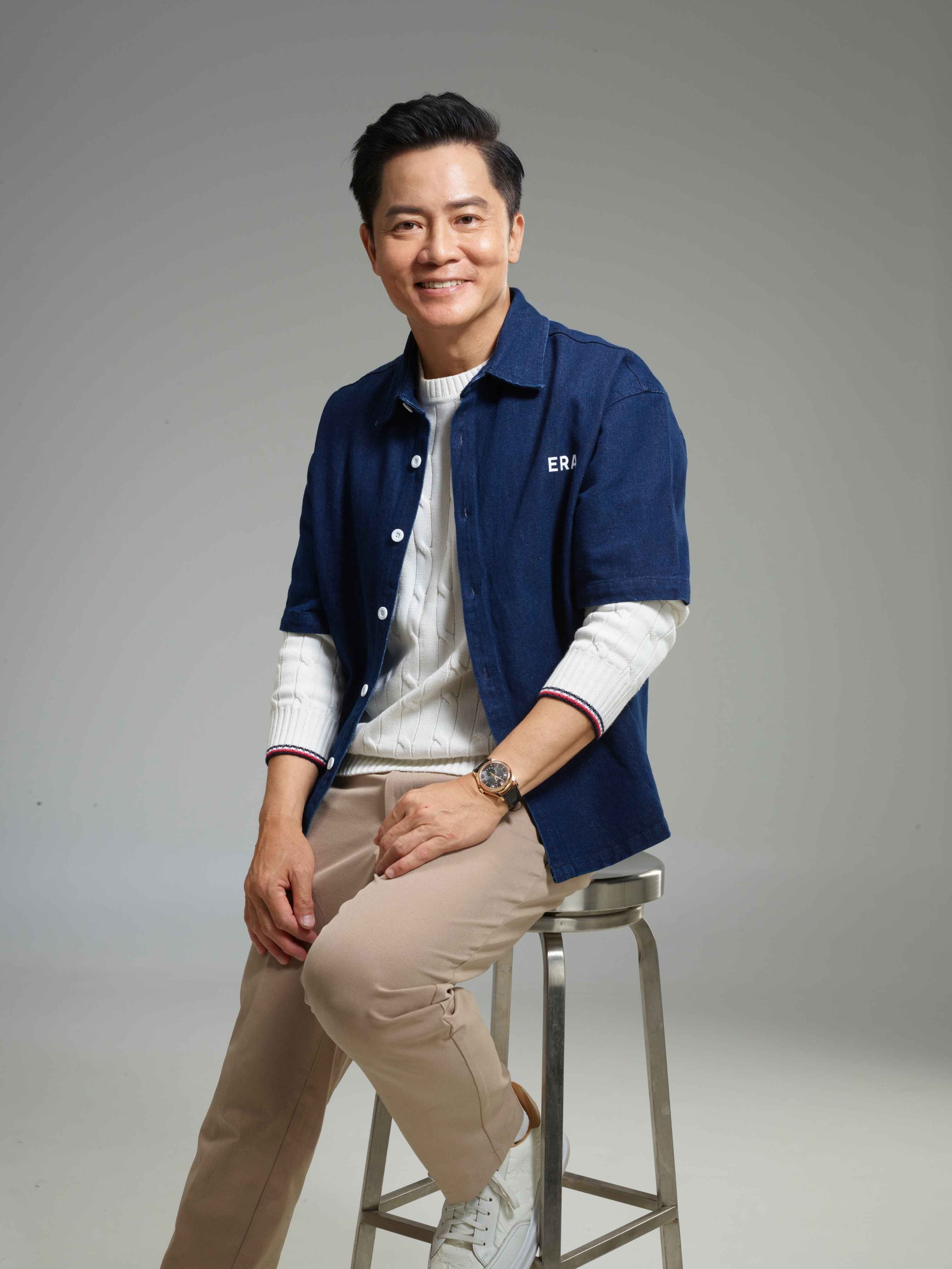 Photo courtesy of ERA Singapore
MARCUS CHU
Chief Executive Officer, ERA Singapore, ERA Asia Pacific, and APAC Realty
What industry insights and trends do you see shaping 2026, and which of these hold the greatest opportunities in your field?
Singapore’s property market is poised for continued growth, supported by strong economic fundamentals, declining interest rates, and sustained population growth. Following the Fed’s rate-cut cycle, borrowing costs will likely stay low, supporting affordability and sustaining liquidity in the market.
This year’s boom, fuelled by factors like pent-up demand, continued population growth, and renewed revival in global equities, is expected to maintain its momentum in 2026 and 2027.
A healthy supply of Government Land Sales (GLS) sites will balance demand and moderate price pressures. Developers are projected to launch over 10,000 units new private homes – the highest since 2021. With average take-up rates of 85% in 2025, buyer confidence remains high as new projects enter the market at higher benchmark prices.
These point to a healthy, active market driven by resilient demand and continued investor confidence in the coming years.
How do you see yourself/your organization leading the way in turning these forecasts into reality?
At ERA, we empower our trusted advisors to guide clients with clarity and confidence. By strengthening our research capabilities, leveraging technology like our proprietary SALES+ app, and platforms like Realty Talk on our YouTube channel, we can deliver sharper insights, greater efficiency, and enhanced transparency for buyers and investors alike.
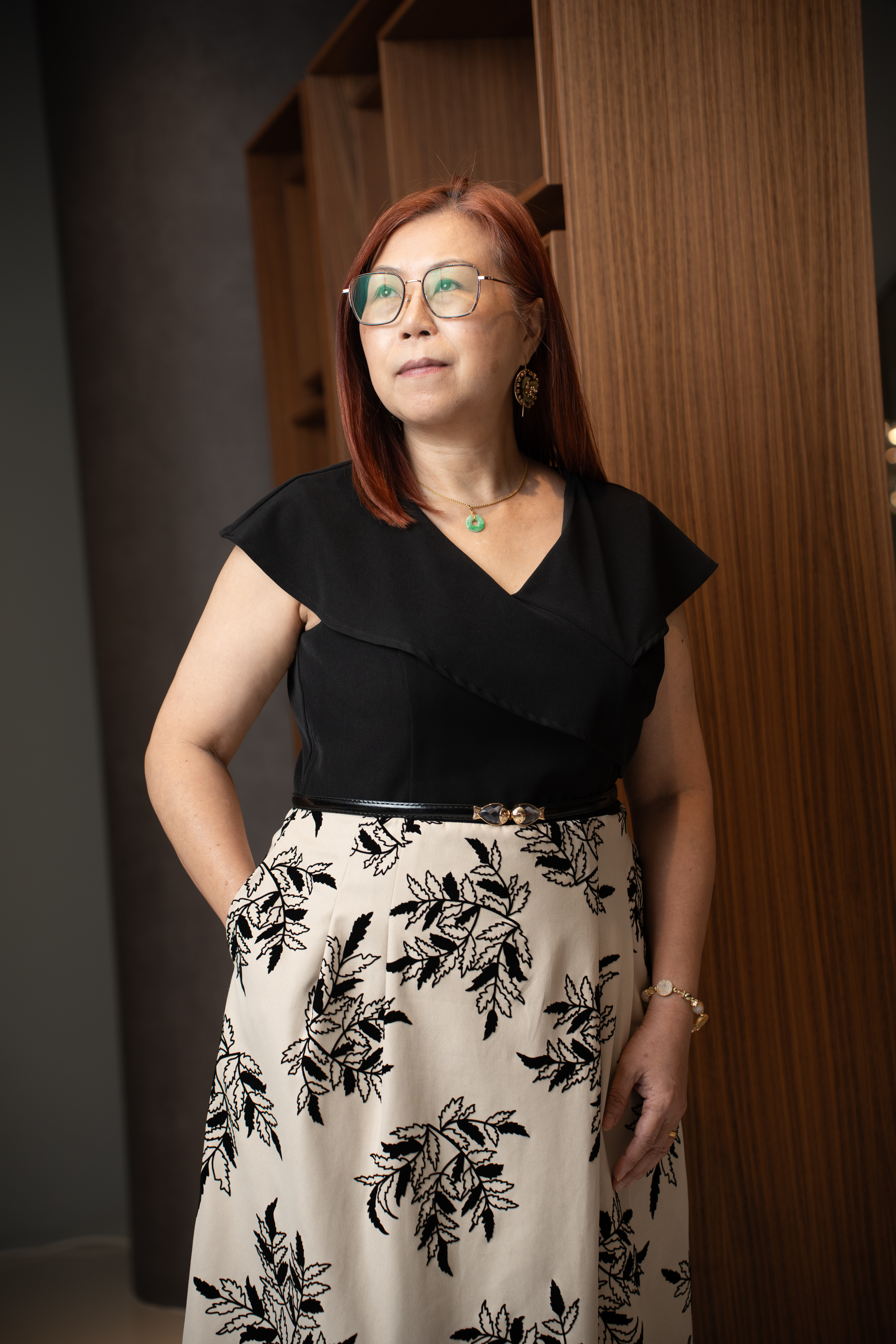 Photo courtesy of Marquis HnC Pte Ltd
KIM FOO
Director, Marquis HnC Pte Ltd
What industry insights and trends do you see shaping 2026, and which of these hold the greatest opportunities in your field?
- Sustainability as a Standard: Eco-consciousness has evolved into a necessity, with a focus on circular design, lifecycle transparency, and innovative bio-materials. Consumers are prioritising durable, high-quality items designed to last, reducing waste and supporting ethical production.
- Wellness and Inclusivity: Design is focused on promoting health and emotional well-being. This involves biophilic design (integrating nature beyond just plants), circadian lighting systems, and spaces that cater to neurodiversity and sensory sensitivities. Inclusivity is reflected in furniture and layouts that are easily reconfigurable and accessible for diverse needs.
- Warmth Artisan: Focused on warmth, craftsmanship, and meaning, using earthy colour palettes combined with rich, tactile textures to create cosy, inviting spaces. This trend embraces artisanal, handcrafted items and personal collections as a rejection of mass-produced goods, emphasising pieces that have a story or deeper significance.
How do you see yourself/your organization leading the way in turning these forecasts into reality? We aim to lead the way by capitalising on our extensive supply chain networks to consistently introduce innovative products that lead in both design and functionality. This is coupled with our continuous corporate direction to remain relevant and adaptable to changes, allowing us to proactively drive quick decisions and introduce innovation across the market.
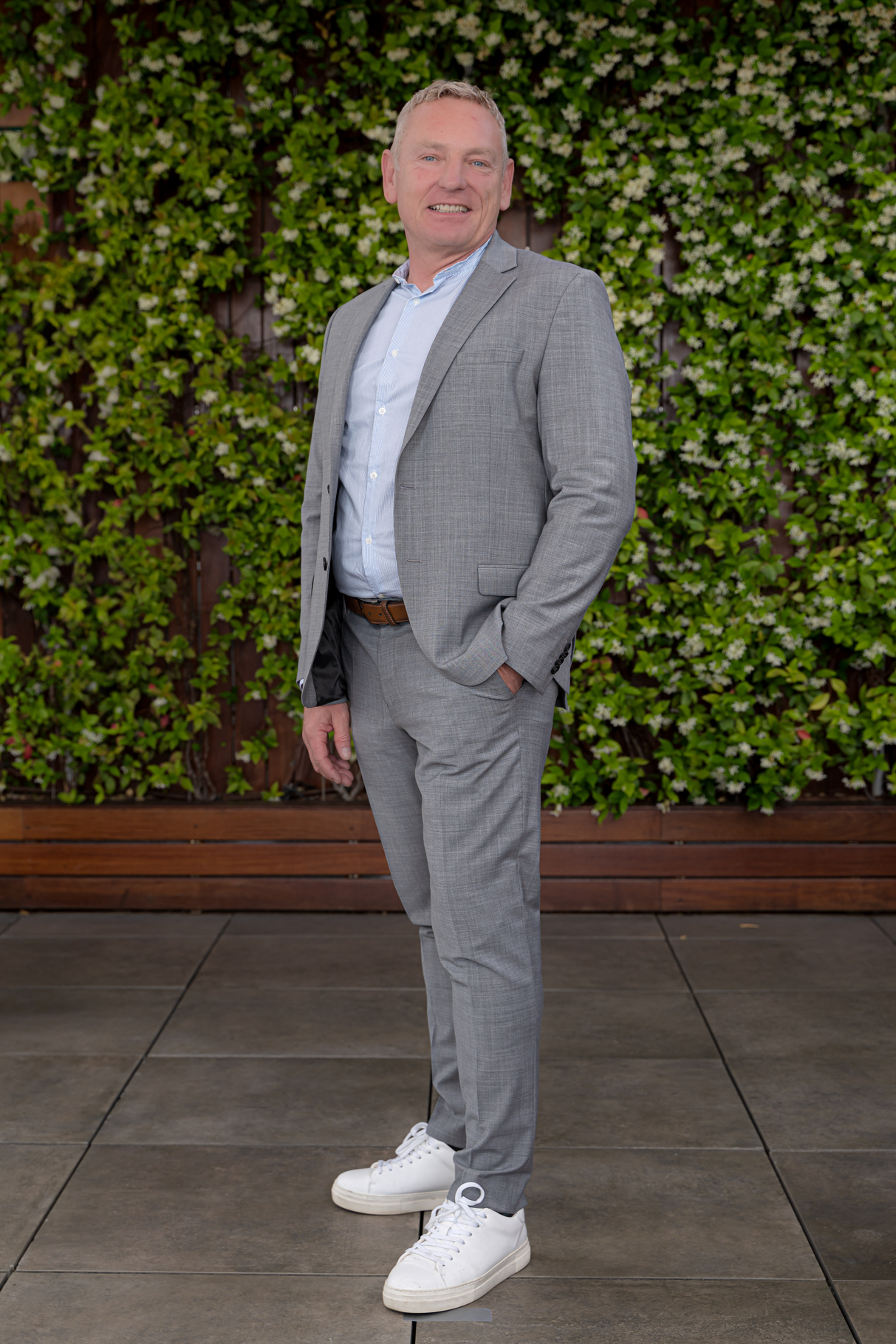 Photo courtesy of AVIAREPS
EDGAR LACKER
Chief Executive Officer, AVIAREPS
What industry insights and trends do you see shaping 2026, and which of these hold the greatest opportunities in your field?
As we look toward 2026, the travel industry continues to evolve with a strong focus on sustainability, efficiency, and personalisation. There are, of course, many trends shaping the future of travel, but two particularly relevant for our industry stand out. In aviation, the rise of the Airbus A321 XLR and similar narrow-body aircraft on long-haul routes is opening up new opportunities. Airlines are increasingly using these aircraft to operate cost-efficient transatlantic and long-distance flights to secondary airports, connecting new destinations or adding frequencies on major airports.
Meanwhile, the cruise sector is experiencing dynamic growth and diversification, from large-scale vessels to intimate, high-end luxury cruises. Importantly, over 65% of ships scheduled for delivery in 2026 will be powered by alternative fuels like LNG or hydrogen, marking a decisive step toward greener travel.
How do you see yourself/your organization leading the way in turning these forecasts into reality?
At AVIAREPS, we help clients navigate these shifts through a blend of global expertise and local execution. While our reach is global, we recognise that each market demands a tailored approach. Our teams are equipped to deliver localised strategies, whether in established markets or high-growth regions like Southeast Asia.
As airlines launch routes to secondary airports, we help them grow through tailored sales and marketing strategies that resonate locally. Our global network with offices in over 70 countries allows us to combine global insights with a deep understanding of the local markets. By leveraging this unique blend, we empower our aviation and tourism partners to turn emerging trends into tangible growth and long-term success.
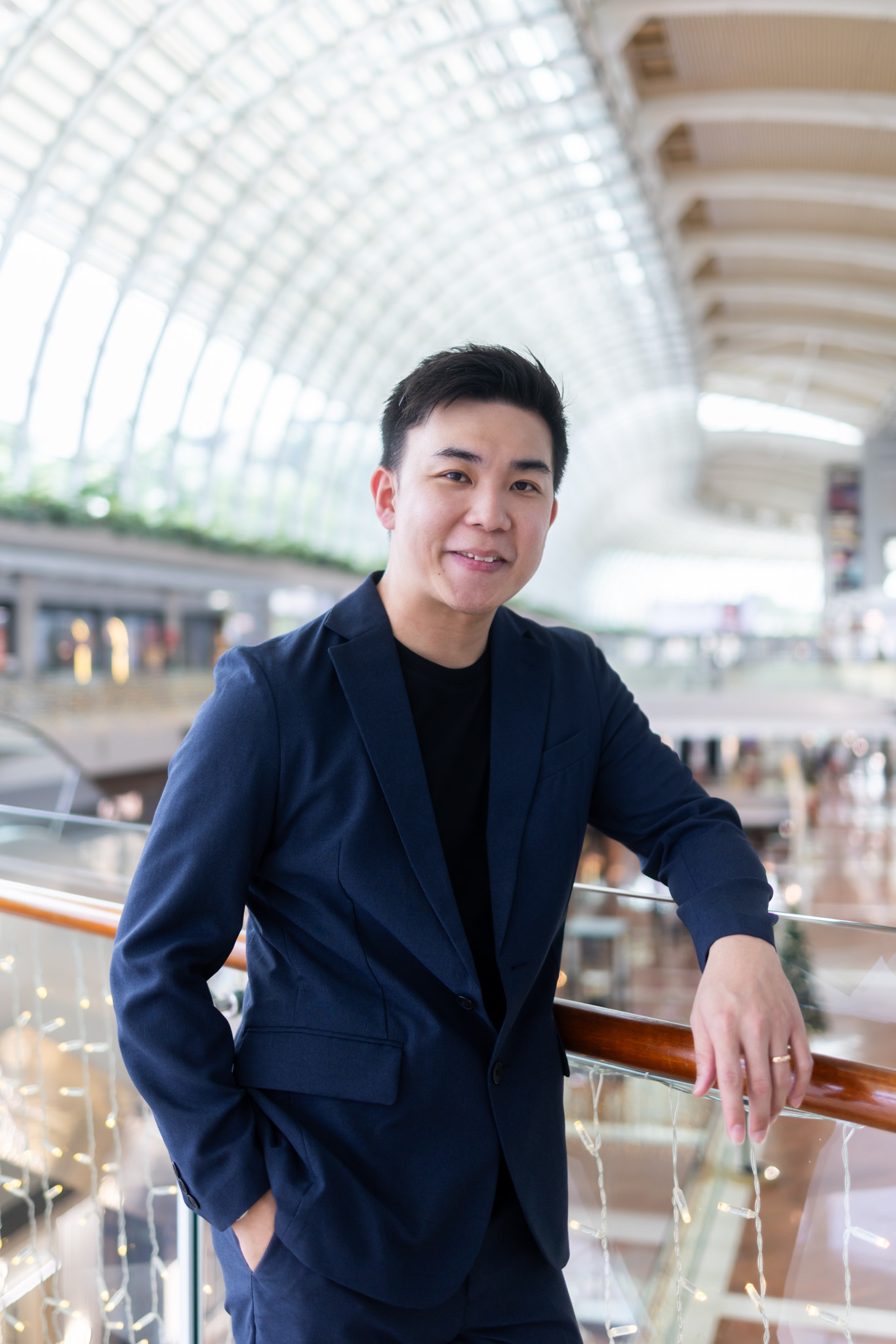 Photo courtesy of Squareroot8 Technologies
CRISTOFER QUEK
Chief Executive Officer, Squareroot8 Technologies
What industry insights and trends do you see shaping 2026, and which of these hold the greatest opportunities in your field?
As we move into 2026, digital trust will define competitiveness. The convergence of AI, quantum technology, and cybersecurity is reshaping how organisations protect and exchange data – where trust, not speed, becomes the new advantage. We see a global shift toward quantum-ready infrastructure and cross-industry collaboration to secure digital ecosystems across finance, government, and smart cities like Singapore.
At Squareroot8, we see the greatest opportunity in helping enterprises future-proof their data and build quantum-secure foundations for the next decade. The leaders of 2026 will be those who invest early – not just in technology, but in creating transparent, resilient systems that empower innovation with confidence.
How do you see yourself/your organization leading the way in turning these forecasts into reality?
At Squareroot8, my focus is to bridge foresight with action, translating innovative security concepts into practical, trusted solutions that organisations can apply today. By collaborating with governments, defence, and technology partners, we strengthen digital resilience and trust across sectors. Transformation starts not with scale, but with clarity – a single insight or connection that shapes trust and redefines the future.
 Photo courtesy of Bunjang
JAEWHA CHOI
Chief Executive Officer, Bunjang
What industry insights and trends do you see shaping 2026, and which of these hold the greatest opportunities in your field?
The rise of “recommerce literacy” will define 2026. This means mastering the ability of buying, experiencing, and reselling strategically, identifying trends, and understanding recommerce value to access products beyond one’s income level.
While the traditional luxury market has slowed, luxury recommerce is expanding nearly 15 times faster, driven by younger generations who view luxury as cultural assets with recommerce potential. Those who master recommerce can experience more with less, staying financially savvy and culturally ahead.
This opens major opportunities for recommerce companies that empower their consumers through education, trust, and transparency, helping them understand value, authenticity, and sustainability.
How do you see yourself/your organization leading the way in turning these forecasts into reality?
Bunjang is building a self-sustaining recommerce ecosystem where value continuously circulates. For instance, Bungae Money, our recommerce-exclusive digital currency, enables sellers to receive part of their earnings and instantly use them to purchase other items, creating a virtuous cycle of buying and selling that enhances convenience and engagement for recommerce-literate users.
To strengthen trust, especially amid an increasingly sophisticated secondhand counterfeit market, Bunjang’s patented Corelytics authentication solution integrates expert inspection, non-destructive material analysis, machine learning and AI to achieve 99.9% verification accuracy.
By combining trusted authentication with a dynamic value ecosystem, Bunjang is redefining the future of recommerce – creating a transparent, reliable, and innovative marketplace where trust drives value and growth.





 Back
Back