Fortune favours the brave, goes the saying. Fortune also favours those with a first mover advantage, as our more entrepreneurial readers will attest. We experienced this first-hand on a recent trip to Ningxia Hui Autonomous Region in northwestern China.
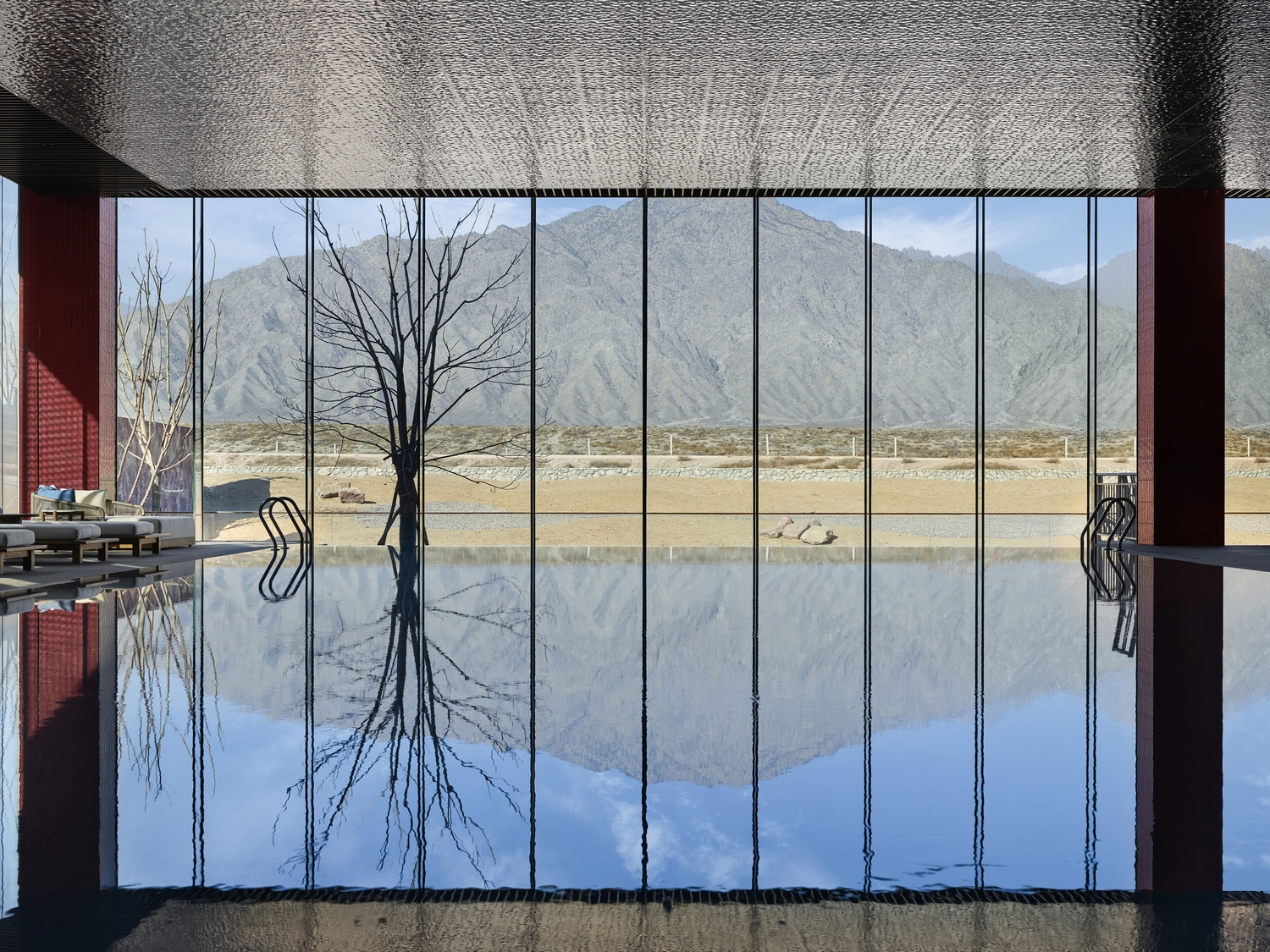 Stunning views from the Amnor Hotel
There, far off the beaten track, in a remote province visited by few internationals, we witnessed how some very plucky, pioneering individuals managed to transform a literal desert into flourishing businesses. And these businesses are now attracting niche travellers.
Across Ningxia’s rugged landscape, there were off-road adventure parks in the mountains, vineyards and luxury resorts in the foothills, and glamping hotels and theme parks in the middle of the desert. It’s not quite a place for first-time visitors to China, but it certainly holds strong appeal for those looking for alternative exploits in the Middle Kingdom.
The founders of these enterprises had a bit of help: Their ventures were backed by the central government’s own grand ambitions of greening the desert. Greening initiatives started in the 1950s, and received a shot in the arm in the late 1970s, with the Three-North Shelterbelt Programme that aimed to combat desertification.
You experience a bit of contradiction the moment you touch down at Yinchuan International Airport, the region’s main gateway. Believing yourself to be in desert lands, your eyes are instead greeted by lush plains and rolling green hills, occasionally interrupted by ribbons of sediment-rich water – no less than the mighty Yellow River itself.
The mineral-rich deposits laid by the river, combined with ample sunshine and the protective embrace of the Helan Mountains, have enabled viticulture to take root here and produce globally-recognised, award-winning wines.
In 1984, the government-owned Xixia King became the first winery to establish itself in Ningxia. Today the area is home to more than 200 wineries both large and small, commercial and boutique – an unthinkable premise 40 years ago.
- A LITTLE PIECE OF FRANCE IN CHINA
- THE HOTEL WITH A SINGAPOREAN CONNECTION
- OFF-ROAD, OFF-KILTER
- ADVENTURE IN THE DESERT
A Little Piece of France in China
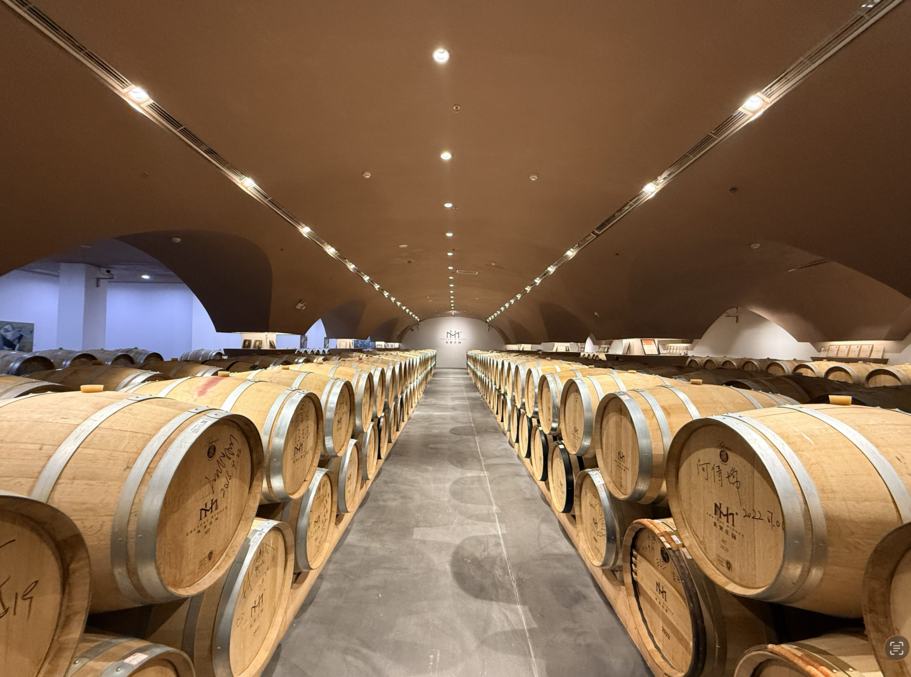 Wine cellar at Chateau Mihope (photo by Aaron de Silva)
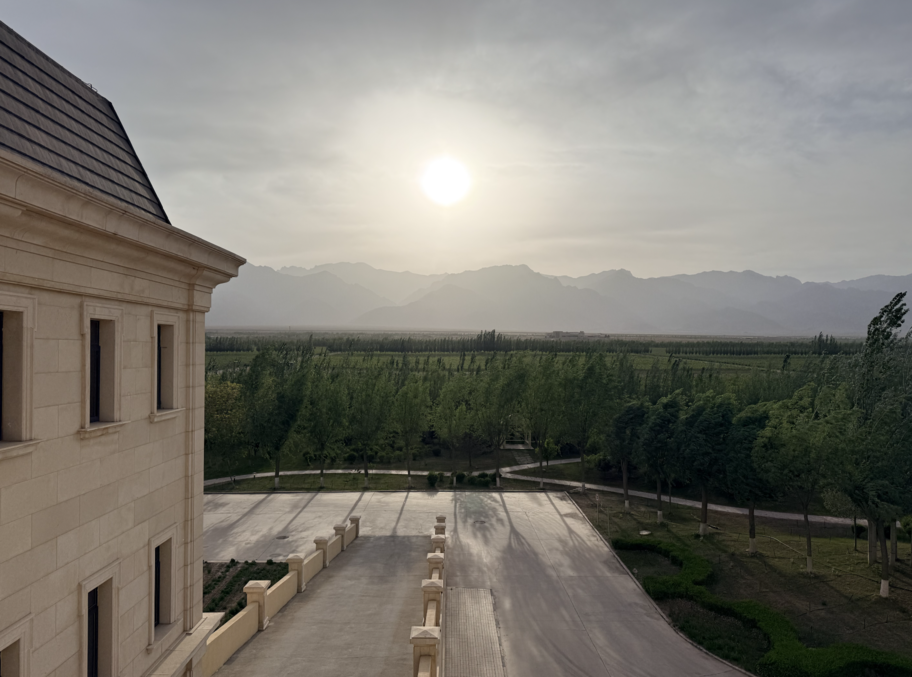 Chateau Mihope (photo by Aaron de Silva)
We paid a visit to Chateau Mihope, a vast, 130-hectare vineyard that produces three million bottles of vino a year. Anchoring the site was a three-storey chateau that looked straight out of the French countryside (or fairytale book, depending on your inclination).
Established in 2016, it’s the brainchild of Chinese billionaire businessman He Xiangjian, founder of Midea Group. His outsized vision for the estate? To elevate Chinese wines to a similar standing as Lafite.
In the meantime, the chateau doubles as a weekend playground for moneyed types from Beijing, Shanghai and Guangzhou, who stay for a few nights, eat and drink to their heart’s content, and race their supercars in the area.
The boutique wineries were just as, if not more, interesting to visit. If you arrange a tour through an experience-led travel agency like Charlotte Travel – as we did – you’ll be able to go on private guided tours and meet the founders/winemakers themselves.
(Related: Charlotte Harris aims to champion travel with intention)
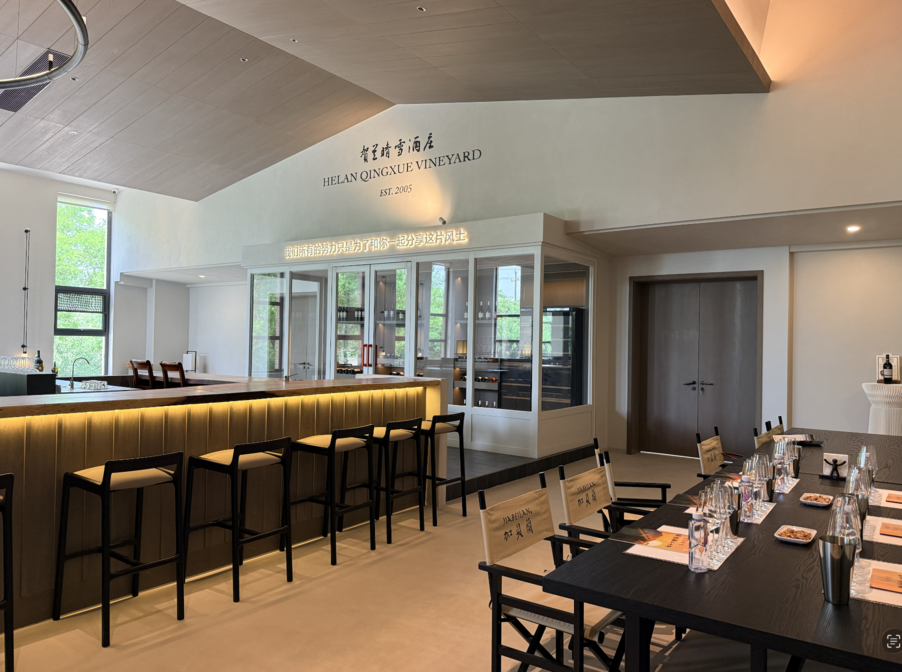 Helan Qingxue Winery (photo by Aaron de Silva)
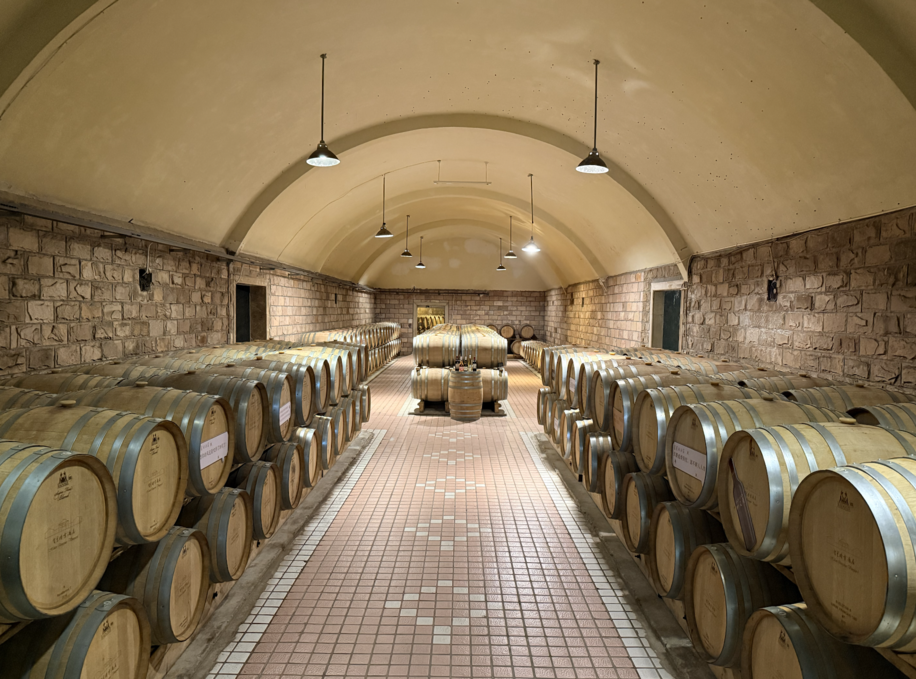 Wine cellar at Helan Qingxue Winery (photo by Aaron de Silva)
A must-visit is the trailblazing Helan Qingxue Winery, co-founded in 2005 by the affable, spunky Zhang Jing. Its Jia Bei Lan label made history in 2011 when it became the first Chinese wine to win a major trophy at the Decanter World Wine Awards (DWWA). That subsequently put Ningxia on the world wine map.
On a tour of the 23-hectare plot – which today produces about 70,000 bottles of Bordeaux blends, Chardonnays, Malbecs and Petit Marsannes – Zhang recalled that her dream started in a small space: The underground cellar. Back then, there were only seven other wineries in the province, and success wasn’t a guarantee.
But with dogged determination, government support, investor interest, and finally, global recognition, Zhang’s efforts eventually paid off. But as with any agricultural commodity, her fortune is intrinsically tied to the whims of the weather gods. Climate change is wrecking havoc. Too much rainfall in 2024, she said, made it “not a challenging year. It was a horrible year. We lost 70 per cent of our yield”.
- A LITTLE PIECE OF FRANCE IN CHINA
- THE HOTEL WITH A SINGAPOREAN CONNECTION
- OFF-ROAD, OFF-KILTER
- ADVENTURE IN THE DESERT
The Hotel With A Singaporean Connection
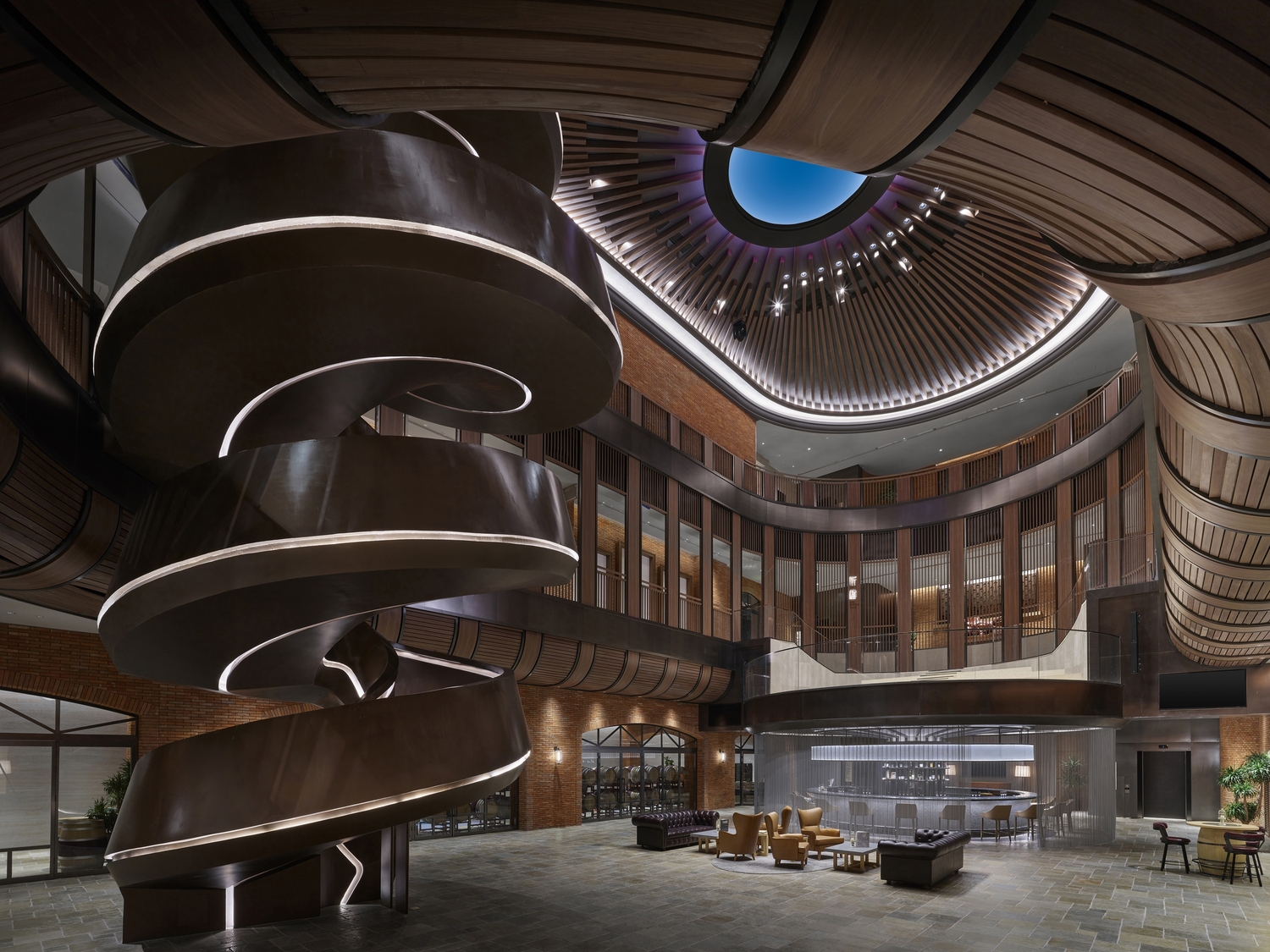 Dramatic lobby of the Amnor Hotel
If you’re doing a winery tour in Ningxia, the plush Amnor Hotel (listed as Yinchuan Helan Anmo Hotel on Trip.com) makes for a convenient basecamp. It’s located smack in the middle of wine country. In fact, it’s part of the Ningxia Turandot Wine Town estate, which consists of three wineries, including the award-winning Chateau Dulaan.
Amnor’s enterprising owner Zheng Zi Feng, a wine-loving businessman who made his riches in Shanghai, returned to his hometown and opened the 176-key property in 2024. It’s the most luxurious accommodation in the Helan Mountains, and there’s even a Singaporean connection – local architecture firm eco.id designed the premises with a Moroccan-esque aesthetic.
The hotel attracts visitors from China’s megacities, as well as foreigners from Malaysia, Singapore, Hong Kong and Taiwan. It’s popular with car club members, who come here to enjoy scenic drives, as well as families, because of the wealth of family-friendly activities. Corporates also descend on the property to attend meetings, events and banquets.
- A LITTLE PIECE OF FRANCE IN CHINA
- THE HOTEL WITH A SINGAPOREAN CONNECTION
- OFF-ROAD, OFF-KILTER
- ADVENTURE IN THE DESERT
Off-Road, Off-Kilter
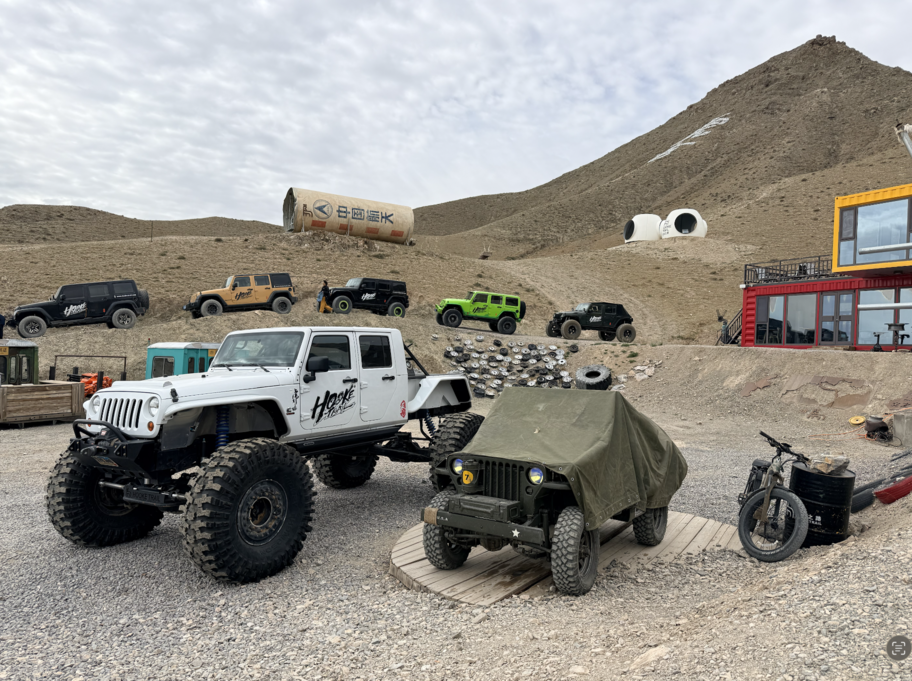 Hooke Park (photo by Aaron de Silva)
An hour’s drive away, we found ourselves crossing the invisible border into Inner Mongolia, where a two-hour off-road experience awaited. Along the way, we passed by the film studio where movies like Zhang Yimou’s Red Sorghum and Stephen Chow’s Journey to the West were filmed.
Our destination: Hooke Park (or Hooke Trail), a 100 sq. km mountain adventure park founded by Chinese off-road expert and pioneer Gao Jinsong. Guides/drivers in Jeeps take you on an exhilarating ride where you can spot remnants of Ming Dynasty-era walls and beacon towers, semi-wild Mongolian horses and sheep, and upcycled artworks made from scrap material.
A highlight of the tour was a Mad Max-style village comprising refurbished lodging made from disused shipping containers, old buses, and other industrial waste. For CNY 2,500 (S$474) a night, you could shack up in what must surely be the most creative, exotic hospitality experience this side of a hippie commune.
You’ll be in good company if you do: We’re told that wealthy guests come here not only for the sheer novelty factor, but also to race their sports cars, drive monster trucks, stargaze, and attend outdoor rock concerts. There’s no wifi (part of the appeal), but there’s an eatery, a bar, and a small grocery shop to round out the hospitality component.
- A LITTLE PIECE OF FRANCE IN CHINA
- THE HOTEL WITH A SINGAPOREAN CONNECTION
- OFF-ROAD, OFF-KILTER
- ADVENTURE IN THE DESERT
Adventure in the Desert
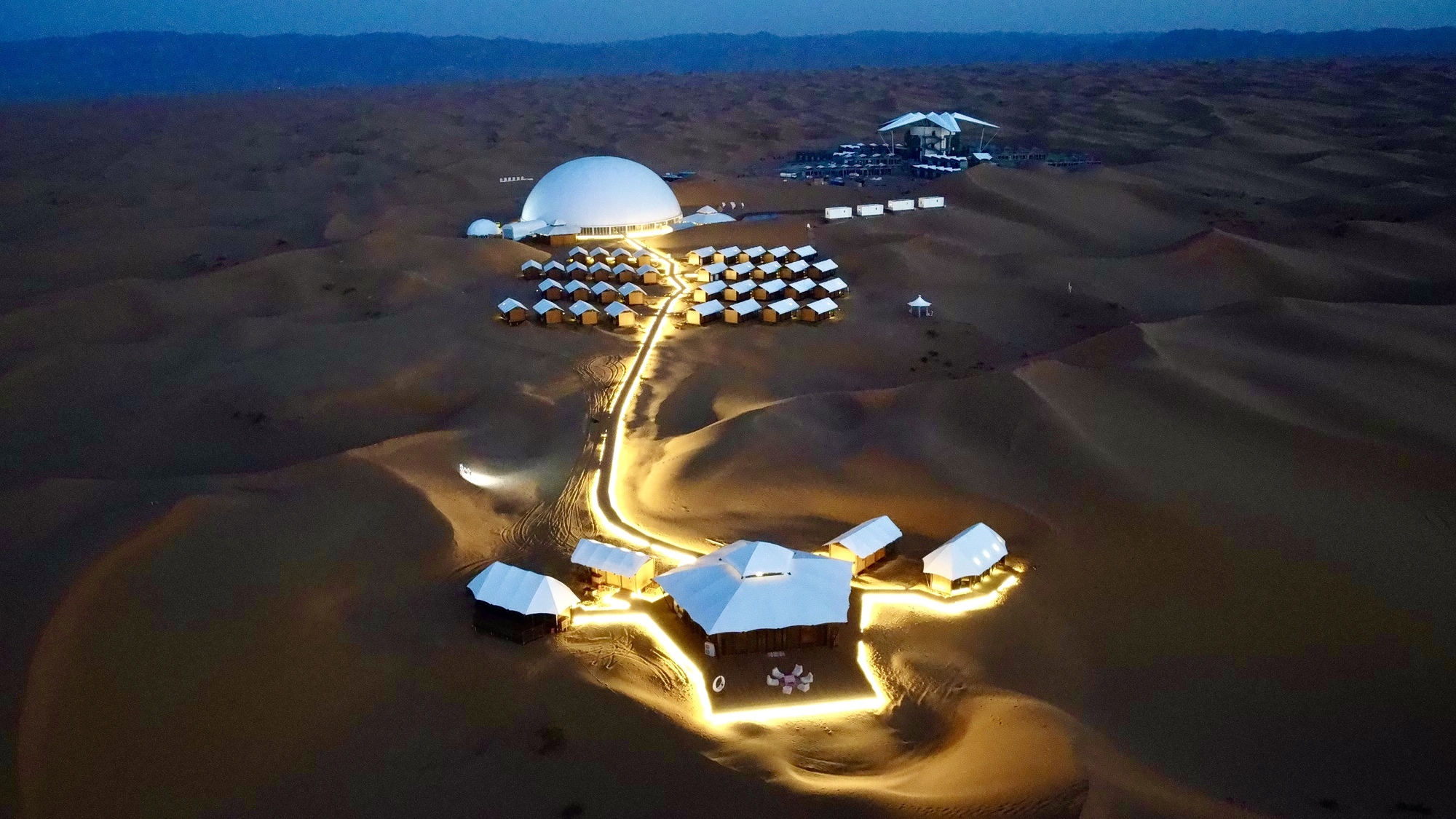 Desert Star Hotel
For something a little more family-friendly, consider heading to Shapotou Scenic Area, a two-hour-plus drive from Yinchuan. Here, on the edge of the Tengger Desert, amid immaculately sculpted sand dunes that look man-made (they are not), you can live out your best Dune life.
Shapotou showcases man’s attempt at rewriting the desert narrative. Developed by state-owned company CTS Hong Kong Limited, the 45 sq. km park proves that you don’t have to let a little sand get in the way of building hotels, campsites, and a theme park complete with activities like the Yellow River Zipline, sand tobogganing, and lambskin rafting.
We stayed in the Desert Star Hotel, a premium property with well-appointed rooms – Kohler bathroom amenities, Dyson hairdryers and L’Occitane toiletries. Families will appreciate the provision of small but thoughtful touches like a child’s toilet seat, child's disposable dental kit, footstools, and kid-sized bedroom slippers.
Highlights from this portion of the tour: Reclining on lounge chairs to stargaze from the comfort of our hotel grounds, and drifting slowly down the Yellow River on a traditional lambskin raft (made from bamboo strips and inflated whole lambskins) as the oarsman belted out a plaintive number in the local dialect.





 Back
Back