In just a few years, the toothy, gremlin-like Labubu has embedded itself into everyday visual lexicon through sheer ubiquity. So, imagine my surprise when I discovered there is, in fact, a real-life animal that bears an uncanny resemblance to Labubu, right down to its tiny size and enormous eyes: The tarsier. Even more mind-boggling, this elusive primate can be found in its natural jungle habitat a stone’s throw from Singapore.
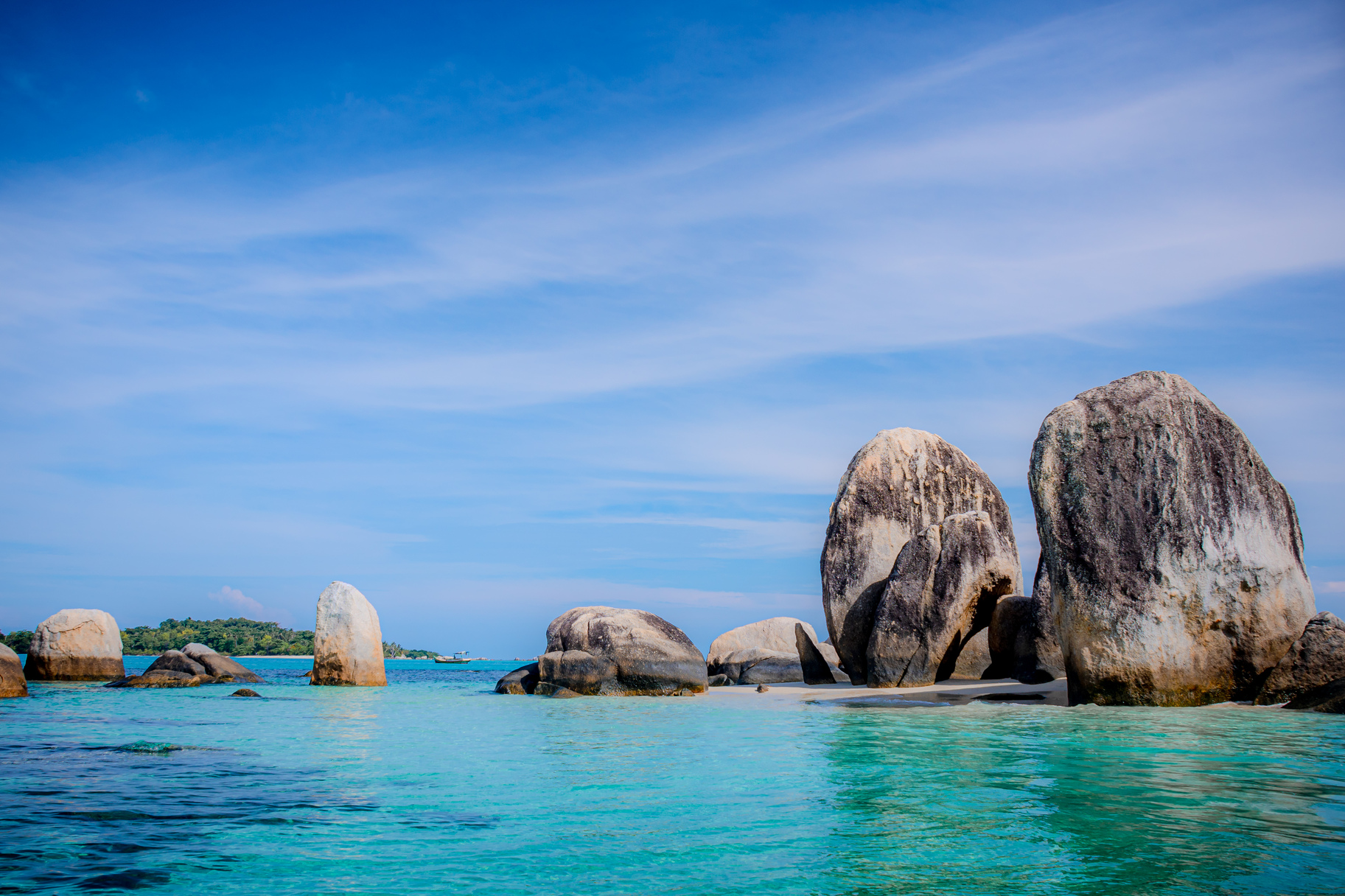 Batu Berlayar Island
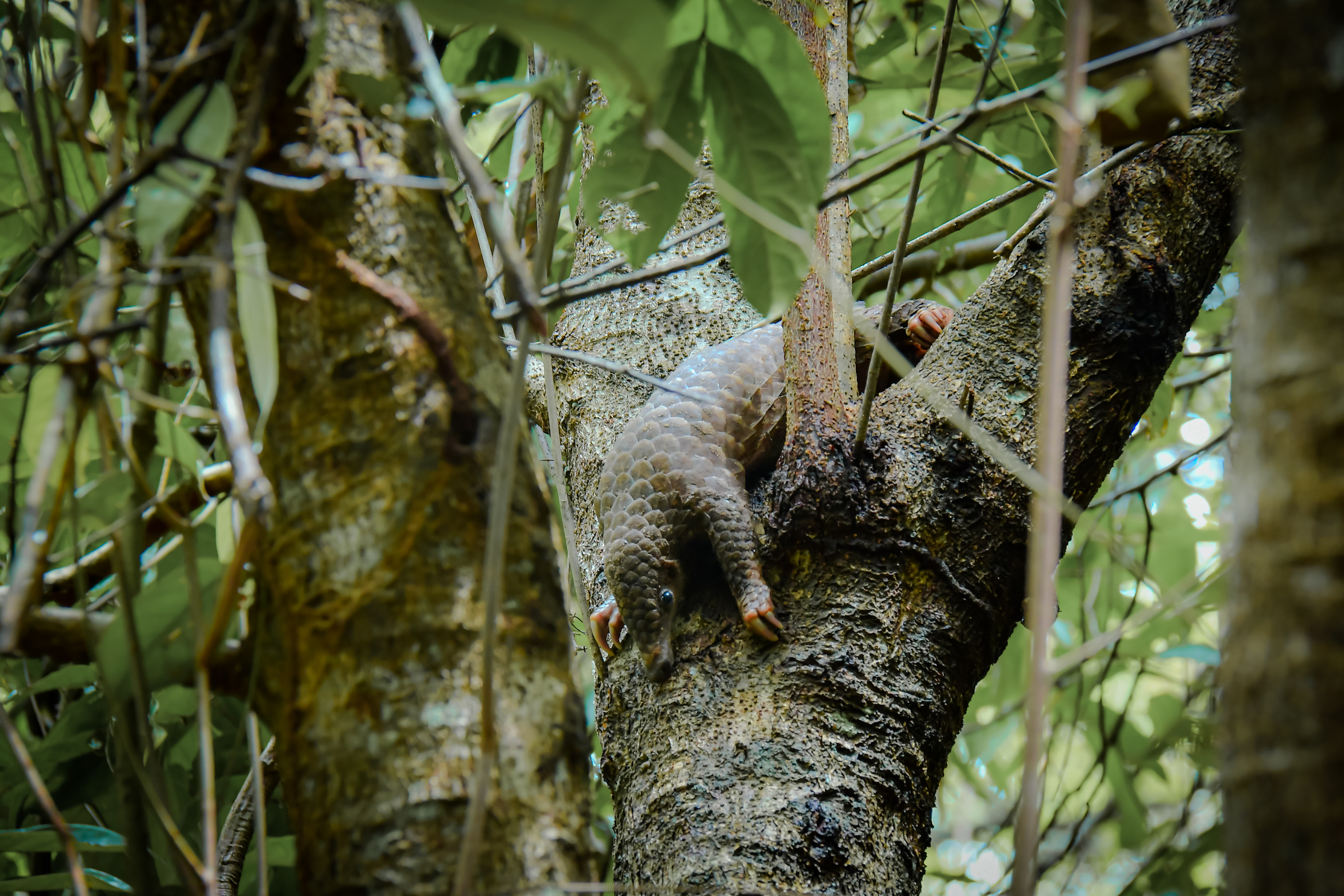 In addition to tarsiers, Belitung Island is also home to other unique creatures like pangolins
One of the world’s smallest primates, the endangered tarsier is found only on a handful of islands in the Philippines and Indonesia, including Belitung Island, located just 485km away. And while many Singaporeans may currently struggle to place Belitung on a map, Scoot’s new direct one-hour route is likely to change that.
Naturally, I could not resist hopping onto the first flight out in search of this nocturnal creature.
My base for the next few days would be Tanjung Kelayang Reserve, a 350-hectare sustainable coastal sanctuary on the island’s northwestern shores. The reserve is known for its giant granite formations rising out of startlingly clear turquoise waters, dense rainforest, and rich biodiversity. In fact, the whole of Belitung has been recognised as part of the Unesco Global Geopark Network, a designation that encourages conservation and sustainable tourism alongside geological preservation.

This ethos is perhaps most evident during our sunset hike up Peramun Hill, the island’s carefully managed tarsier spotting site. Our guide, who hails from a nearby village, leads us through dense forest while casually pointing out medicinal herbs, hardy ironwood trees, and flashes of birdlife overhead. Macaques, monitor lizards, and endangered species like the pangolin are also known to inhabit these protected forests.
After clambering past granite boulders distinctive to the region, we arrive at the summit for a simple alfresco dinner prepared by local cafe The Well, which trains and employs villagers from surrounding communities.
But the real anticipation begins after dark. The Belitung tarsier, a subspecies found only on this island, remains something of a mystery. No reliable population estimate exists because they are nocturnal, arboreal, and notoriously shy. Researchers believe they have survived here in part because Belitung lacks many of the predators found elsewhere in the region. At night, the tiny primates emerge to hunt insects, leaping astonishing distances between branches despite their size.
(Related: Six Voyages Later – A couple's ongoing journey with Silversea)
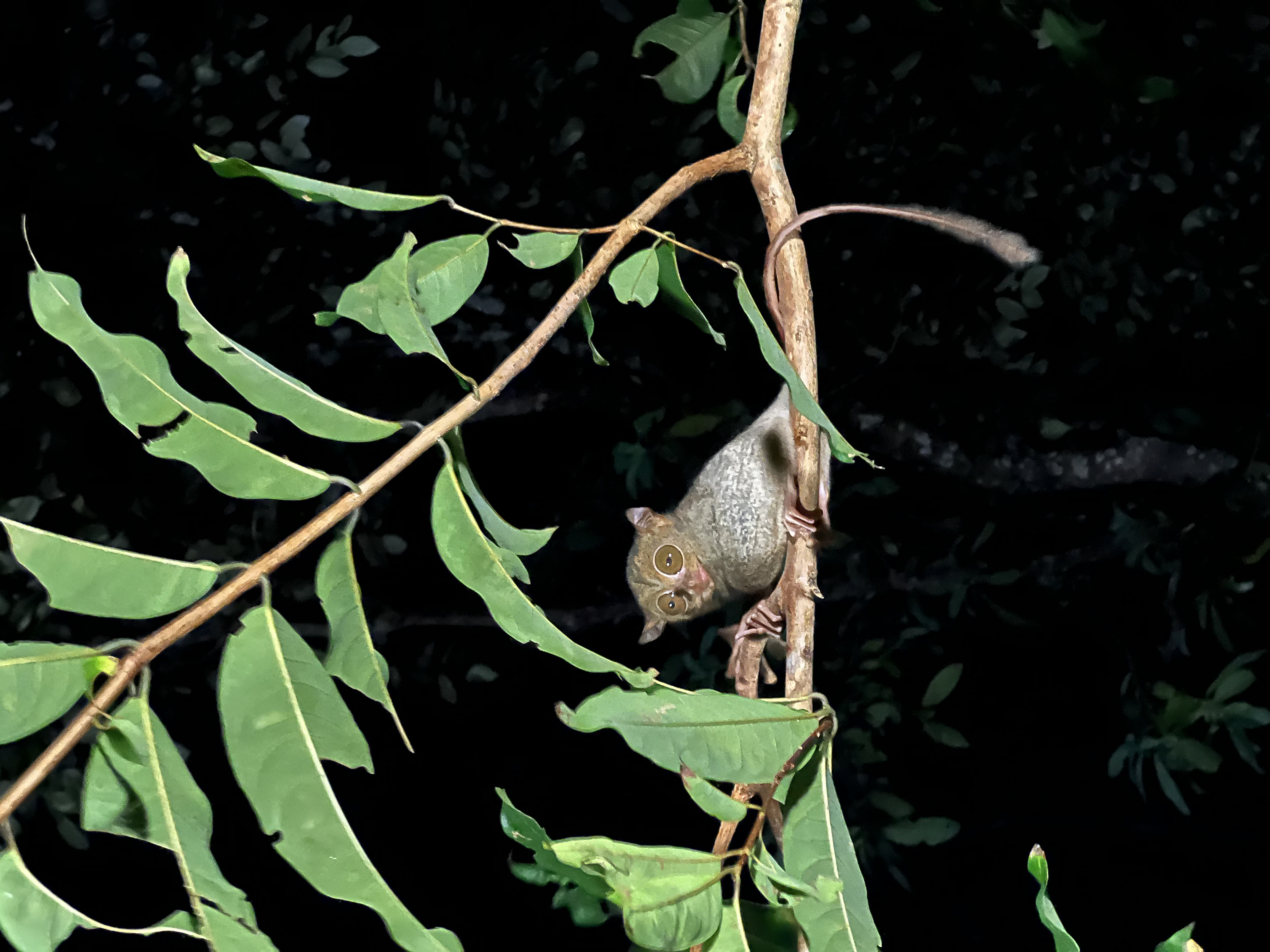 Photo by Karen Tee
Tarsier tracking here is tightly controlled. Visitors do not get to roam freely through the jungle. Instead, local rangers enter designated forest zones, relying on instinct and experience to spot the primates. The tracking and sightings are limited to three viewings a week and capped at 10 minutes to minimise stress on the animals.
A crackle comes through the walkie-talkie: A tarsier has been spotted. We move quickly through near-total darkness until we reach a ranger holding a branch steady beneath the beam of a headlamp. Clinging to it is the tarsier itself, frozen in the light, its huge eyes reflecting at us.
Cameras emerge instinctively. But after several minutes of trying to capture the perfect photograph, I lowered mine. Up close, the tarsier is certainly not a novelty creature, but rather a fragile animal caught in an uncomfortable moment of exposure. By the seventh minute, I realised I had seen enough. More than anything, I simply want it to disappear quietly back into the forest.
It struck me then that the real success of this experience was not that we managed to see the tarsier, but that the forest and the way viewings are managed still allows the creature to remain largely unseen, even in this age of performative travel and online one-upmanship.
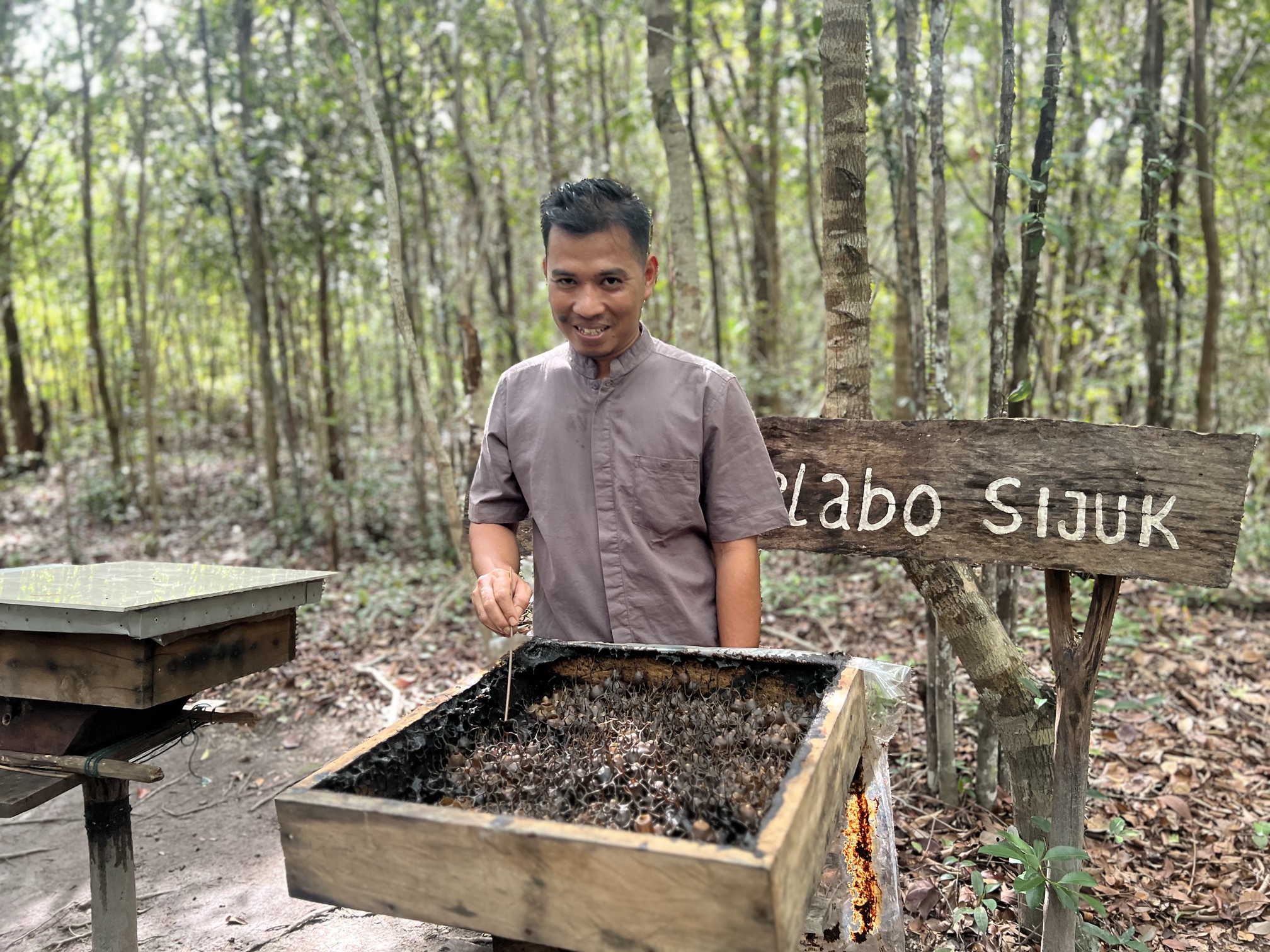 Stingless bee honey tasting. Photo by Karen Tee
This gentler, more regenerative model of travel has permeated other aspects of this island’s experiences. Within Tanjung Kelayang Reserve itself is a stingless bee farm, where visitors taste tart, floral honey fresh from the comb while learning how these native bees play a vital role in pollinating tropical plants and maintaining the island’s fragile biodiversity.
The retail scene may still be relatively under the radar, but labels like Sepiak Belitong are already helping preserve local craft traditions by working closely with local women artisans, reinterpreting naturally dyed Belitung textiles into modern resortwear and accessories.
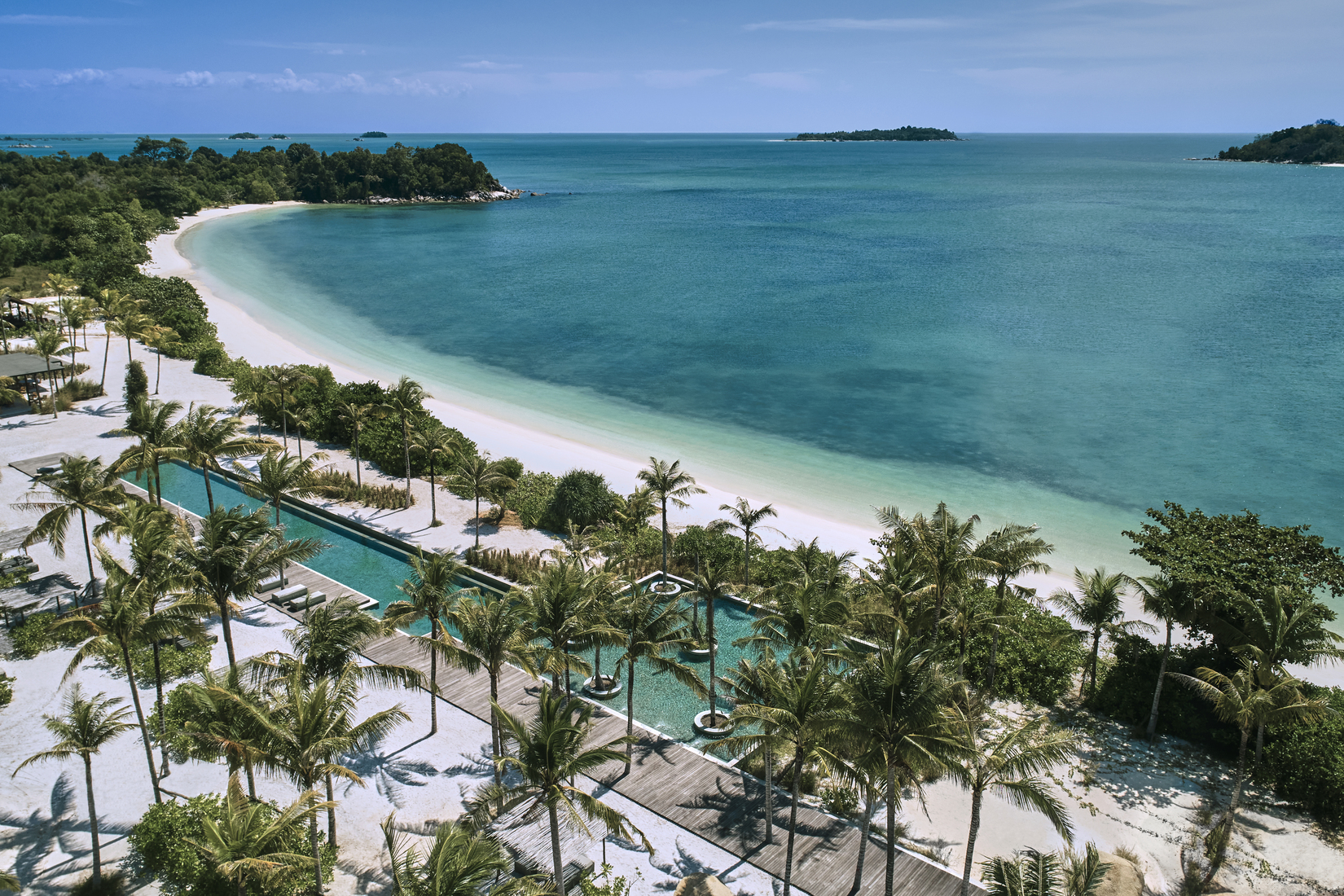
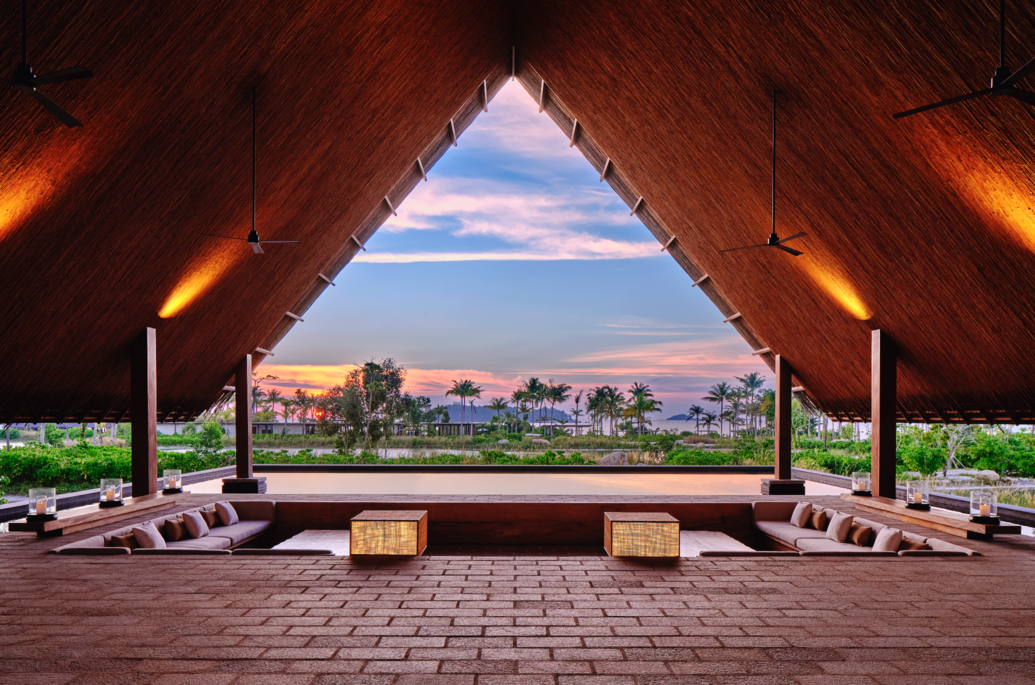
This same philosophy extends to the Sheraton Belitung Resort, one of just two resorts located within the reserve (there is also the secluded Billiton Ekobeach Retreat with four eco-villas and six more on the way). The Sheraton, designed with restrained tropical minimalism, allows the landscape to take centre stage. Open-air spaces like the lobby with its dramatic angular roof made from local materials, maximise sea breezes and ocean views, while thoughtful sustainability initiatives, including a natural kaolin clay water filtration system, help minimise environmental impact.
Best of all, many of the experiences here are intentionally low-impact. The resort’s activity centre arranges island-hopping excursions aboard small locally operated boats, offering one of the best ways to experience the geopark’s crystalline waters and surreal granite islets. One evening, we clamber onto a giant rock island for sunset tea served with Indonesian kueh as waves crash gently below us. On another day, after snorkelling over healthy coral reefs, we head to a tiny private island for a local tiffin lunch in a rustic-chic open-air pavilion set on white sand, clear waters and the caretaker’s herd of friendly dogs staring at our food wistfully from a distance. We devoured the home cooked fare with gusto.
In many ways, this is exactly the kind of remote getaway that many of us city dwellers yearn for: Wild yet accessible, luxurious yet restrained and most of all, deeply protective of the very things that make it special in the first place.





 Back
Back