Chai Karim, Principal of Gaia Lifestyle Group and Karim Family Foundation, did not arrive in hospitality by design, but by choice. Having begun her career in tech, she brings to Gaia Lifestyle Group a perspective shaped as much by structure and systems as it is by instinct and creativity. Today, as she helps steer a handful of F&B concepts, her approach reflects a careful balance between discipline and intuition, all while building something enduring alongside her family.
Your path to the F&B industry wasn’t linear. Looking back, what did taking the “scenic route” ultimately give you that a more conventional path might not have?
Taking a scenic route gave me perspective and patience. Working in tech before entering hospitality taught me how to think structurally, solve problems efficiently, and build processes that work.
When I joined Gaia Group Culinary and started working on KOKO Cafe & Patisserie and later Udon Shin and Loca Niru, I realised how valuable that contrast was. Hospitality is deeply human and intuitive, but it also needs discipline behind the scenes. I don’t think I would have appreciated that balance if I had taken a more conventional path straight into F&B.
In 2023, you chose to pivot towards the family business after working in tech. What helped you commit to that decision without second-guessing yourself?
It was impossible to make that decision without thoroughly second-guessing myself. Ultimately, it was a desire to actively contribute towards the building of our family’s work and legacy that made me come back. We worked with very limited resources, so at some point, we really did need all hands on deck.
Working alongside family can be both supportive and challenging. How did you establish your own credibility and voice within Gaia Lifestyle Group?
Credibility is something you earn quietly. I focused on learning every aspect of the business, from operations to guest experience, and made it a point to listen more than I spoke.
At Gaia Lifestyle Group, being present and consistent allowed my voice to develop naturally. Being part of a family business doesn’t remove the need to prove yourself. If anything, it makes you more accountable to the people you work with and to the vision you want to realise.
(Related: Storied heritage comes alive at Loca Niru)
From KOKO Cafe & Patisserie to The House of Tan Yeok Nee and Loca Niru, your responsibilities grew quickly. Can you tell us what this experience was like, as well as the challenges that allowed you to grow along the way.
It was both exciting and humbling. KOKO, as a Japanese-inspired dessert cafe, taught me about consistency, attention to detail, and the importance of creating moments that delight people in simple, everyday ways.
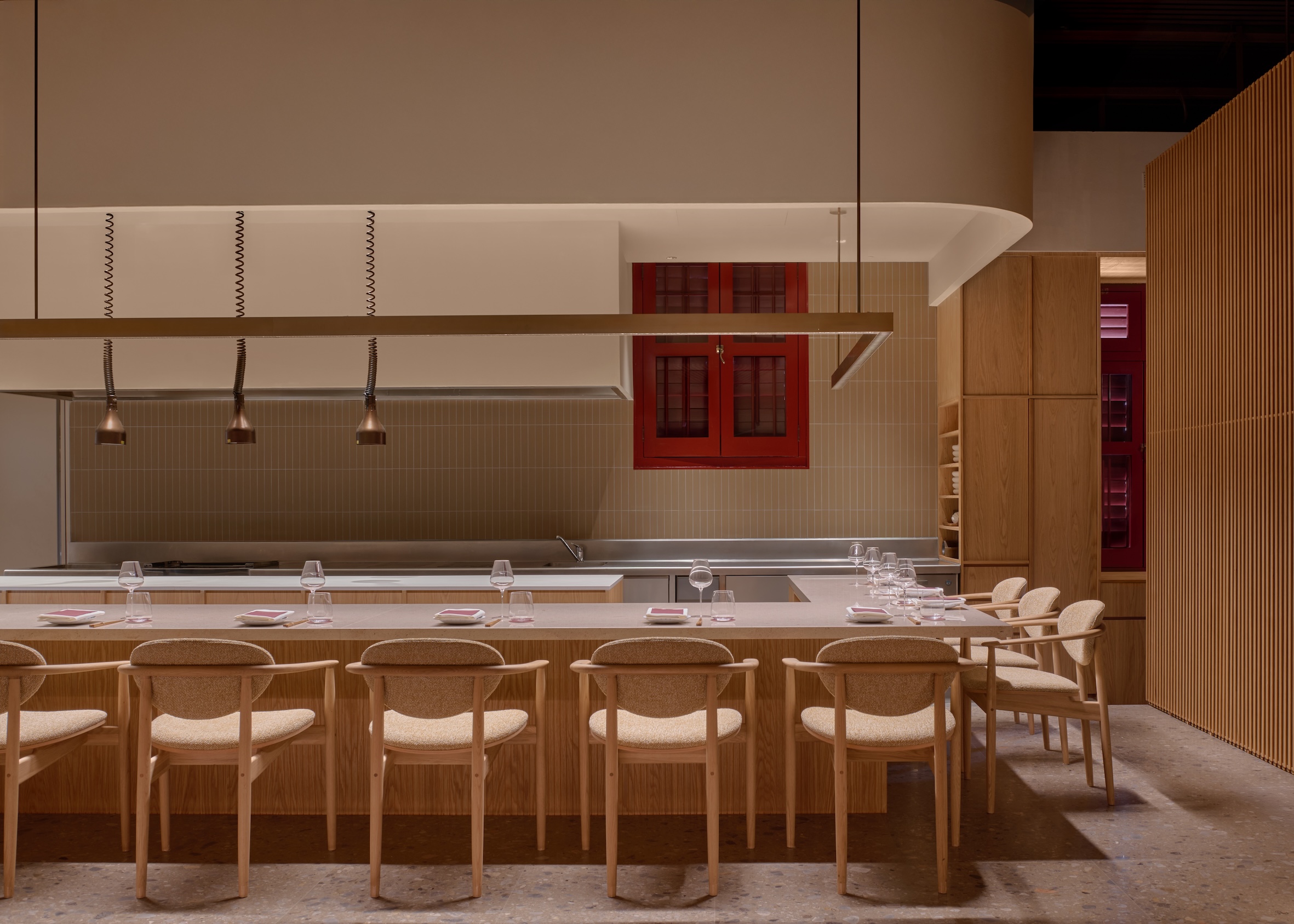
Moving into the House of Tan Yeok Nee was a huge challenge in itself – working with the team to ensure the office space was inhabitable and suited our needs for daily operations. Then came Loca Niru, which brought a different set of challenges. Loca Niru is a fine dining experience and required a sensitivity to culture, heritage, and storytelling in every detail – from the ingredients we use to how guests feel in the space.
One of the biggest lessons was learning that growth doesn’t always mean doing more; sometimes it means doing less, but with intention. That approach guided me as we worked to create Loca Niru, where culture, history, and fine dining intersect in a way that resonates with guests. These were deep learning points that I’m looking to incorporate into our upcoming and final phase of opening at the House of Tan Yeok Nee, a lifestyle concept taking up the entire main hall and front courtyard. We can’t wait to share with the world the property’s next lease of life.
Hospitality leadership often comes with intense pressure. Have there been moments where being a young woman shaped how you were perceived?
There are always the stereotypical challenges of being a young female entrepreneur. As opposed to being limited or held back by such perceptions, I endeavour to disprove the stereotypes, to offer the brand of rational and thoughtful leadership I resonate with. I’m very conscious of fostering environments where people feel respected and supported, and I try to lead with empathy and clarity in every interaction.
How has mentorship – whether formal or informal – influenced the leader you are today? Who would you say has helped you the most on your journey and what important lessons have you learned?
Mentorship has been a mix of observation, conversation, and hands-on experience. Working alongside my family taught me long-term thinking and the importance of building something that lasts. From chefs and hospitality professionals, particularly those who have shaped Gaia Lifestyle Group, I’ve learned discipline, respect for craft, and the value of quiet excellence.
One lesson that has stayed with me is that leadership isn’t about being visible; it’s about taking responsibility and creating systems and experiences that allow others to thrive, whether in the kitchen, in service, or in management.
As you gain influence, how do you think about creating opportunities for others entering the industry?
I try to focus on creating access and room to grow. At Gaia Lifestyle Group, we aim to give young talent the freedom to explore different aspects of hospitality. We want people to understand that this industry isn’t just about service. It’s about creativity, storytelling, and building experiences that connect with people.
Through projects like the House of Tan Yeok Nee and Loca Niru, we also hope to show that hospitality can intersect with culture and education. For me, creating opportunities is not about spotlighting myself, but widening the frame so others can see a future in this field.




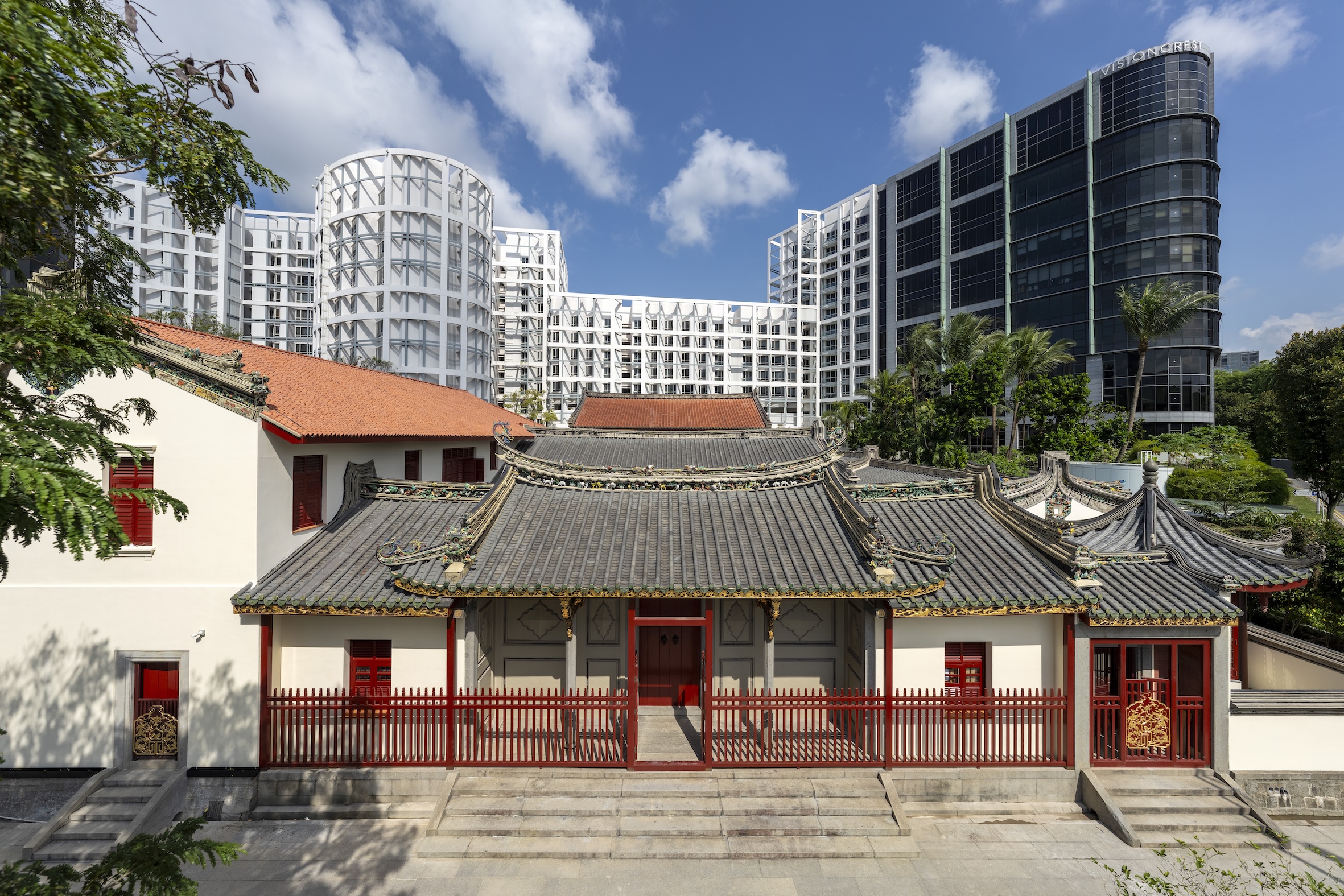 House of Tan Yeok Nee




 Back
Back