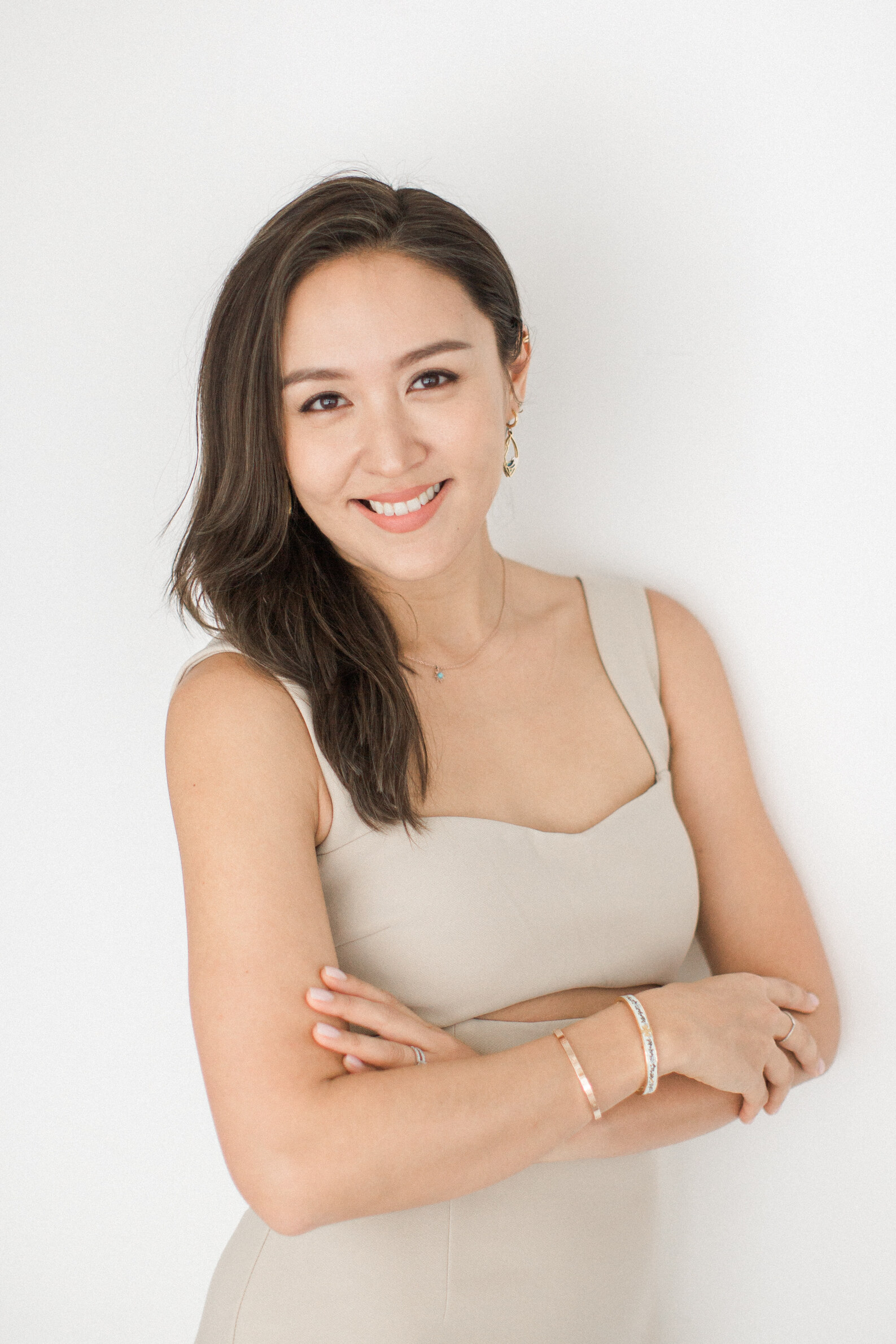
For Charlotte Harris, travel has never simply been about ticking destinations off a list. Before she became CEO of Charlotte Travel, the Hong Kong-founded luxury travel consultancy established by her family in 2001, her understanding of the world was shaped by a childhood spent moving between cultures and communities across Asia.
After relocating from Hong Kong to Kuching at the age of eight, Harris found herself swapping city high-rises for rainforests and rural villages, which sparked an early fascination with cultural differences and the subtle ways travel can broaden perspective. Today, that same curiosity and openness continue to shape her approach to luxury travel.
Under Harris’ leadership, Charlotte Travel has evolved beyond traditional ideas of exclusivity and indulgence, focusing instead on journeys rooted in emotional connection, cultural immersion, and intentionality. At a time when travel planning has become increasingly automated, Harris believes what discerning travellers are truly searching for is something far more human: Thoughtful experiences that feel personal, restorative, and meaningful. From women-centric wellness retreats to deeply immersive cultural itineraries, she shares why the future of luxury travel may lie not in doing more, but in travelling with greater purpose.
You grew up in a multicultural environment and were exposed to travel from a young age. What were some of the earliest experiences that shaped the way you see the world today?
My family moved to Kuching, Malaysia when I was 8, so my childhood went from playdates in high-rises in Hong Kong to catching tadpoles in the rainforest. My father ran a consulting, research, and social entrepreneurial firm providing services to governments, development agencies, and aid donors so we spent a lot of time in rural villages with the local peoples all around Asia.
This gave me an early appreciation for differences, in people, in places, in perspectives and I think that naturally made me curious, open, and observant. Some of my earliest memories of travel weren’t about luxury or even specific destinations, but simply about the feeling of being somewhere unfamiliar and learning how much there was to absorb simply by watching, listening, experiencing, and understanding. My fascination in travel grew in my love of learning about cultural differences.
Luxury travel has changed dramatically over the past decade. In your view, what are discerning travellers really searching for now that perhaps they weren’t before?
Discerning travellers today are searching for something much more personal and emotionally resonant than before. It’s no longer just about five-star service or beautiful hotels – those are expected. Today, travellers want to feel something, not just see something. What they really want now is seamless access, authenticity, privacy, and the sense that a journey has been designed with real thought and understanding of their goals.
Charlotte Travel champions “human-centred travel” in an increasingly automated world. Why do you think human intuition and relationships still matter so much in luxury travel today?
At Charlotte Travel, when we talk about human-centred travel, that really comes from the belief that travel is ultimately about people. I am an anthropologist by training after all!
Technology can be incredibly useful, and in some ways, it makes our systems more efficient, but it can’t replace intuition, empathy, or the trust built through relationships. So much of what makes a trip unforgettable is the nuance, such as knowing the right guide, the right host, the right timing, or simply understanding what a client may need before they’ve even said it. Technology and AI can’t read between the lines and nor can it read body language. That human layer is still essential, especially in luxury travel where everything is personal.
You’ve spoken about creating journeys with emotional intelligence and intentionality. What does a meaningful trip look like to you?
A truly meaningful trip is one that feels layered. It should have beauty and comfort, of course, but it should also create space for reflection, connection, and surprise. The best journeys are the ones that stay with you long after you’ve come home not because they were the most extravagant, but because they felt deeply considered and emotionally resonant. It’s about moving someone in a way that feels personal and that is how a trip should be remembered. People won’t always remember what you did for them, but they will always remember how you made them feel. That is 100% the fundamentals why we do what we do.
At Charlotte Travel, you’ve also championed more women-centric experiences and retreats. Why do you think travel can be especially powerful for women at different stages of life?
As someone who has essentially grown up in this industry, I’ve vicariously watched how travel can be especially powerful for women at different stages of life because it creates space for agency, connection, and renewal. Women often travel with multiple roles and responsibilities in mind, so when a journey is designed thoughtfully, it can offer something meaningful – whether that’s rest, inspiration, camaraderie, or a sense of rediscovery. Women-centric experiences can be incredibly empowering because they create an environment where women can show up fully as themselves.
You work with highly accomplished individuals and clients across Asia-Pacific. Despite their different backgrounds, are there any common desires or emotional needs you consistently observe among these travellers?
Among our clients across Asia-Pacific, I notice a few consistent emotional needs, regardless of their backgrounds. First, there is a strong desire for ease. People want travel to feel seamless and well held. Sometimes, there’s a desire to switch off, being off the grid, and unreachable. Then there’s the growing appetite for meaning. Many clients are looking for experiences that feel enriching, restorative, or even quietly transformative. And beneath all of that, I think there is a very human desire to feel understood. The best travel is often not about excess, but about being seen.
For someone planning a trip in the near future, what destinations or types of experiences do you believe are still underrated/overlooked?
As for underrated destinations or experiences, I think depth is increasingly found in places that allow for slower exploration rather than spectacle. That could mean revisiting a familiar destination through a more thoughtful lens, spending more time in a single place, or choosing experiences that are grounded in local culture, wellness, or nature.
People often ask me, “What’s a hot destination now?” or “What’s a popular place I should go to now?” But I often return the question with “Why would you want to go anywhere popular?” It makes people think – everyone's desires, wants, needs, and aspirations are different. Travel should be looked at in the same way.
We spend our lives working or looking after our families, so why, the only time you have some time off, would you spend that senselessly? Often, the most rewarding journeys aren’t the ones that try to do everything, they’re the ones that leave room to really connect with a place.
For more information, click here




.jpg)

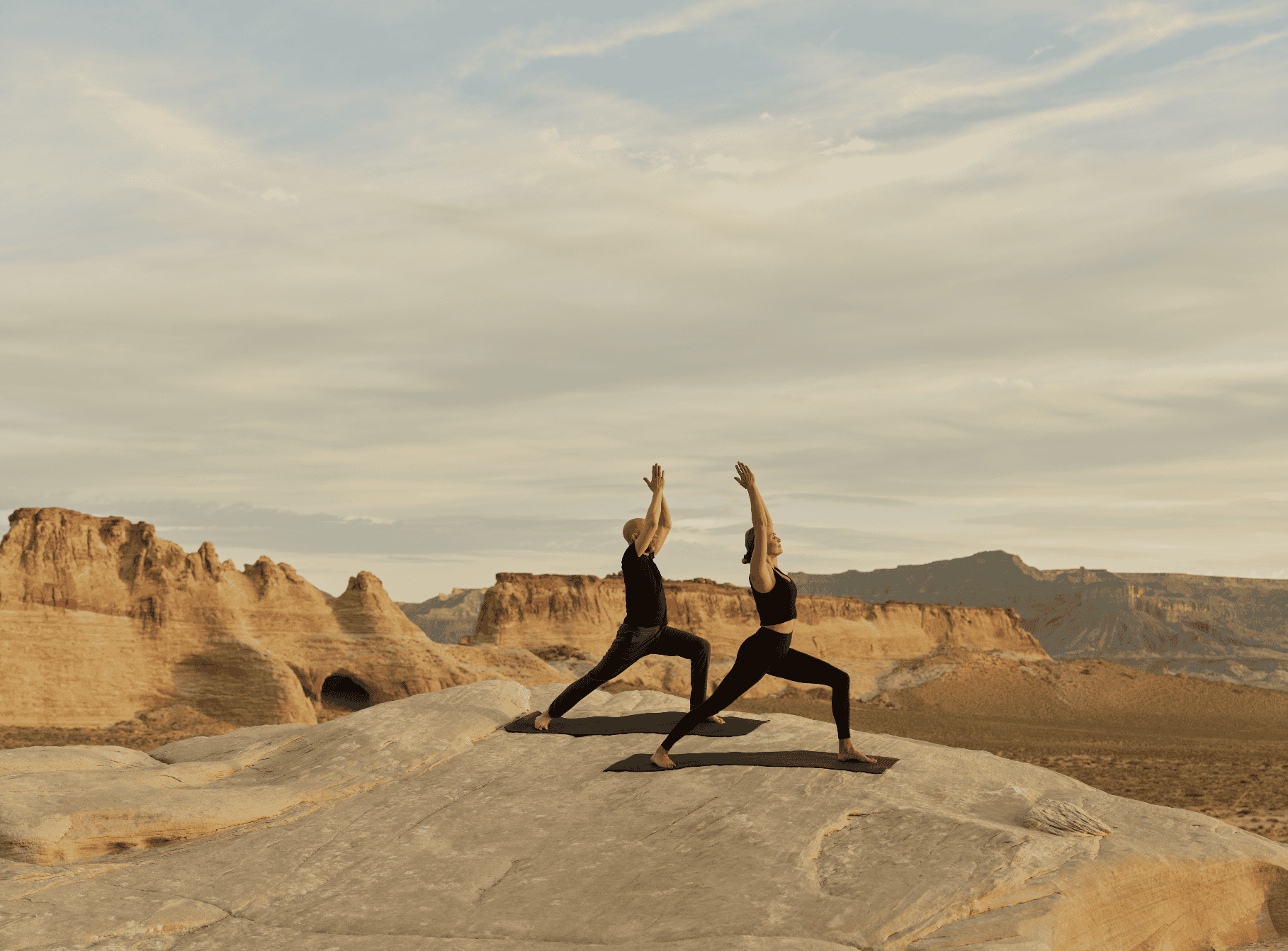 Amangiri, USA



 Back
Back