Success in business has typically been measured in the following way: Revenue, market share, profitability, and finally, growth. Build a successful company, create jobs, and give back through the occasional charitable initiative, and most would consider that a meaningful contribution to society. Lyn Sia Rosmarin believes the conversation needs to go further.
The founder of Pandan Initiative Social Innovation has spent much of her career moving between worlds that, at first glance, appear unrelated. She began in capital markets and fixed income banking before venturing into entrepreneurship – experiences that eventually led her to establish a platform that helps businesses rethink how they create social value. While the industries changed, the question driving her became more apparent: What does success actually leave behind?
Looking back, Rosmarin doesn't describe her career as a series of disconnected chapters, but as a gradual evolution in perspective. "Banking taught me how capital moves at scale. Entrepreneurship taught me something different," she says. "It forced me to think outside the box, check my own blind spots, and walk into uncharted territory."
For years, she approached challenges with the mindset of a problem solver. "The shift came when I realised I was patching holes one by one in a bag that was full of them," she recalls. "I could keep fixing, and the bag would keep leaking."
It was a simple analogy, but one that fundamentally changed how she viewed success. "It stopped being about how many holes I could fix, and became about whether I could change the ecosystem that kept producing them."
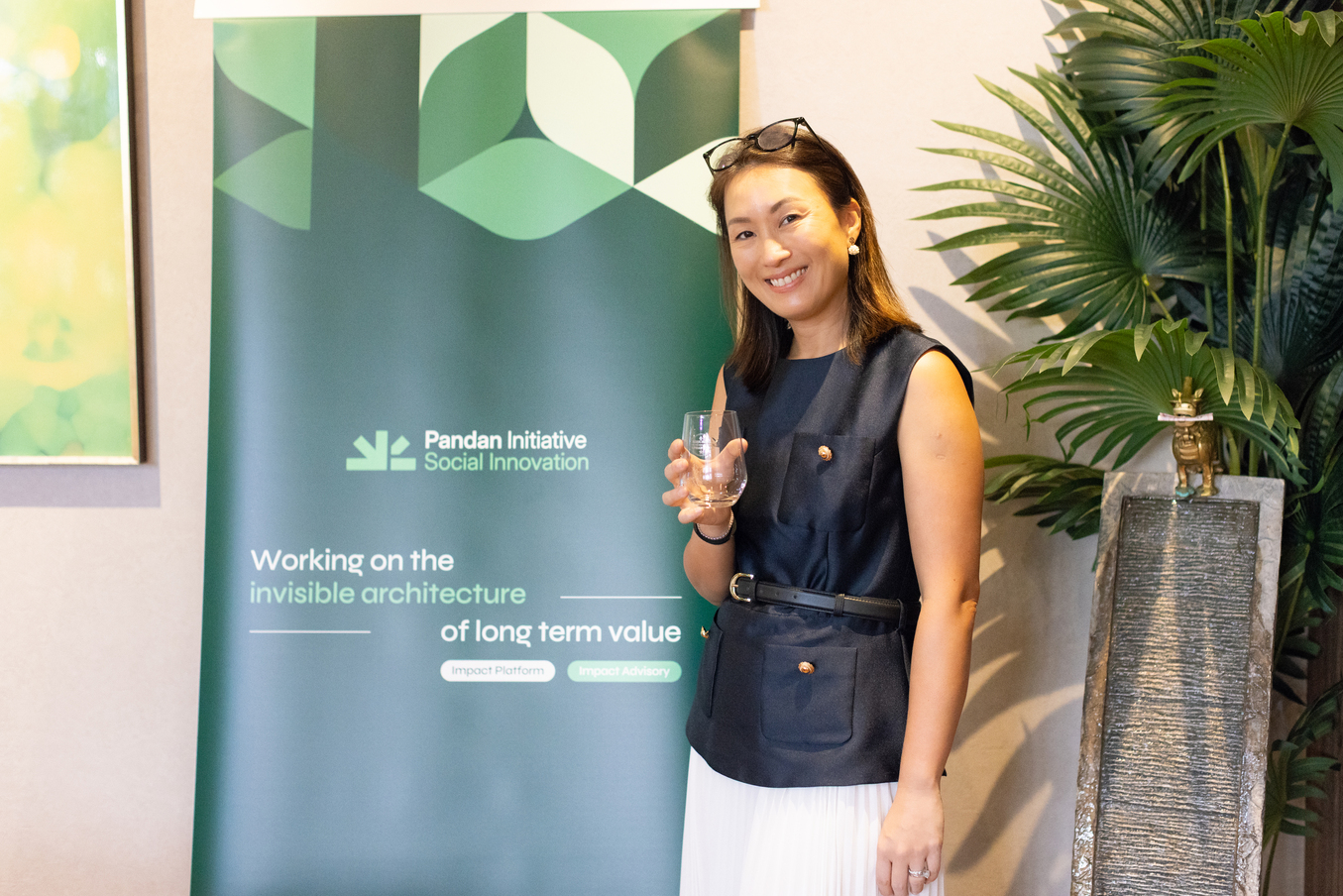 "Compliance gets you to the starting line. What keeps it authentic is whether a company is willing to measure honestly, act on what it finds, and stay with it long after the reporting deadline has passed." - Lyn Sia Rosmarin
That philosophy became the foundation of Pandan Initiative. Rather than encouraging businesses to view corporate giving as a series of one-off initiatives, the organisation works with companies to embed social impact into the way they operate, ensuring that community contribution becomes part of the business itself, rather than something that happens alongside it.
For Rosmarin, the distinction is important. "Most companies genuinely want to give back," she says. "The gap is not a lack of goodwill." Instead, she believes too many organisations still measure generosity by what they contribute rather than by what those contributions ultimately achieve.
"The companies that get there are the ones that stop asking how much they gave, and start asking what it actually changed." That shift, she argues, becomes particularly relevant as businesses mature.
Rosmarin points to companies such as Patagonia, Lego, IKEA, and Dilmah – organisations that eventually expanded their definition of success beyond commercial performance to consider the wider impact they could have on society.
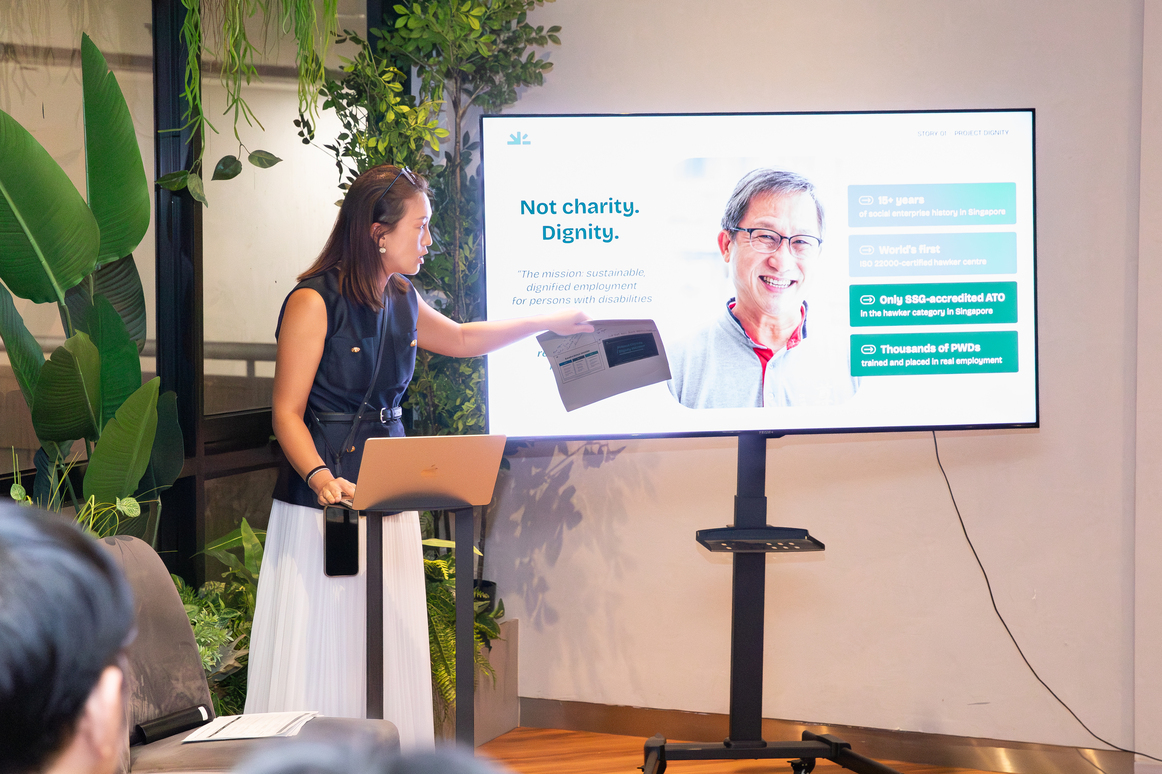
"What those companies have in common is that they stopped defining success purely as survival and growth," she says. "They asked a harder question: What are we actually here to leave behind?"
She believes many established Singapore businesses have now reached a similar crossroads. "Many are one or two generations in, financially solid, and stable enough to think beyond the next quarter."
For Rosmarin, that isn't simply about philanthropy. She draws a clear distinction between charitable giving and genuine community building. While philanthropy and corporate social responsibility often sit outside the core business, community building becomes part of the company's identity, where the wellbeing of employees, customers, and the wider community is closely tied to its own success.
"The test I use is simple," she says. "If the company disappeared tomorrow, would the community feel it as a real loss, beyond the donations? When the answer is yes, it has become a genuine part of the place it operates in."
(Related: Building Belonging – IN GOOD COMPANY goes beyond the storefront)
It is also why she is cautious about viewing social impact purely through the lens of ESG reporting. While regulatory requirements can encourage organisations to take the first step, she believes lasting change depends on whether leaders genuinely commit to measuring outcomes honestly and learning from them.
"Compliance gets you to the starting line," she says. "What keeps it authentic is whether a company is willing to measure honestly, act on what it finds, and stay with it long after the reporting deadline has passed."
Building Pandan Initiative has required that same long-term mindset. Rosmarin has funded much of the work herself while relying on an advisory board and pro bono volunteers who share her belief that meaningful impact takes time. She readily admits that it has been the most difficult challenge of her career.
"I did not want to spend my time patching holes one by one," she says. "I wanted to change the system that keeps producing them." That conviction traces back to an act of generosity she has never forgotten. As a young woman, she was given the opportunity to study overseas by someone who believed in her potential, opening doors she could not have opened alone.
Today, she sees Pandan Initiative as her way of extending that same opportunity to others – not through individuals alone, but through the businesses that shape society. "If I have done my part," she says, "Singapore in 20 years has more companies that measure success by what they build and who they lift, not only by what they grow."





 Back
Back